
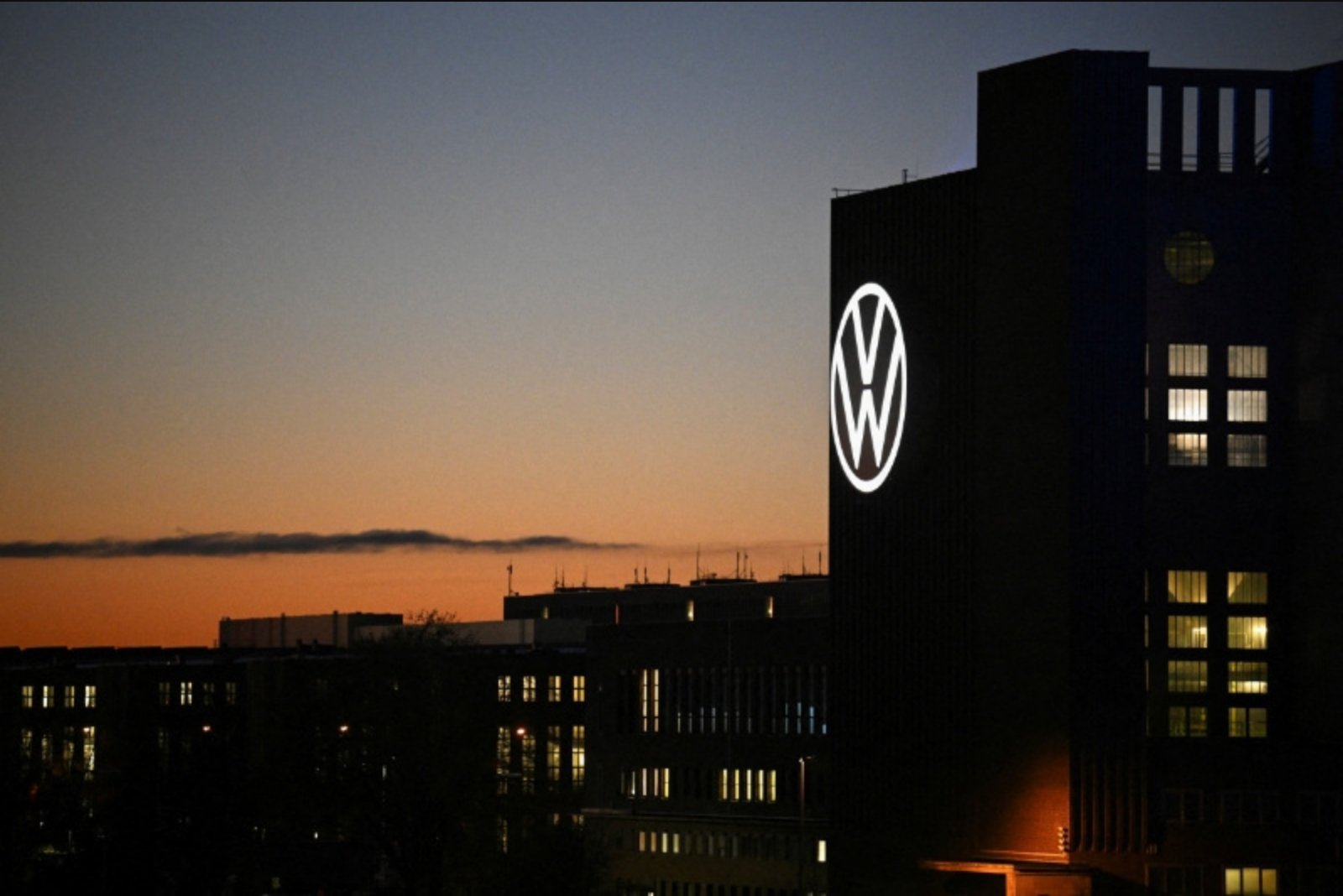
Senior labour representatives at Volkswagen have made it clear that shutting factories in Germany is a line they will not cross, while signalling a willingness to consider structural proposals that preserve jobs and the commitments made in a 2024 restructuring agreement.
In a joint statement to Reuters, the head of Volkswagen's works council and senior leaders of the IG Metall union said the pact reached in 2024 - which rules out plant closures - remains binding and must not be undermined. The statement stressed that the 'red lines' set by the employee side are unchanged and that, with the backing of the general works council and IG Metall, there will be no plant closures.
Volkswagen management has been examining ways to reduce excess manufacturing capacity within its German production network without resorting to closing plants - an approach that is consistent with the union-protected 2024 deal. Company executives have suggested a range of alternatives, such as forging defence-sector partnerships, pursuing collaboration with Chinese partners, and other transactions that could shore up under-utilised sites.
The company is facing margin pressure from several fronts. The labour leaders pointed to weak demand and the expensive shift to electric vehicles as factors that have eroded profitability. The article noted additional headwinds including intensified competition from Chinese automakers, recent tariff increases, and heightened costs and uncertainty related to conflict in the Middle East.
After reporting a further decline in profits early in the year, Volkswagen's chief executive Oliver Blume reiterated the need for deeper cost savings. Blume has publicly raised the idea of a plant-sharing arrangement with Chinese partners as one way to address excess capacity, although no formal talks have been confirmed. Separately, Volkswagen is moving forward with discussions about a possible sale of its Osnabrueck plant to a defence company.
At a financial conference in London, Thomas Schaefer, head of the Volkswagen brand, described the group's efforts to rebalance production volumes and characterised plant closures as "the second-best option." That comment framed the company�s pursuit of alternative measures as preferable to outright shutdowns, while acknowledging that capacity rationalisation is an active priority.
The labour representatives said they remain open to proposals originating either inside the Volkswagen group or from external partners, but only if those ideas respect the commitments made by management in 2024. They reiterated core principles that guide their stance: preserving quality of work, safeguarding career prospects, and ensuring job security. The union leaders pledged to oppose any measures that contravene those principles, now and in the future.
Contextual note: The statement from Volkswagen's labour leaders and the management's pursuit of alternative capacity-reduction strategies reflect an ongoing effort to reconcile the company's financial pressures with the workforce protections established in the 2024 agreement.