
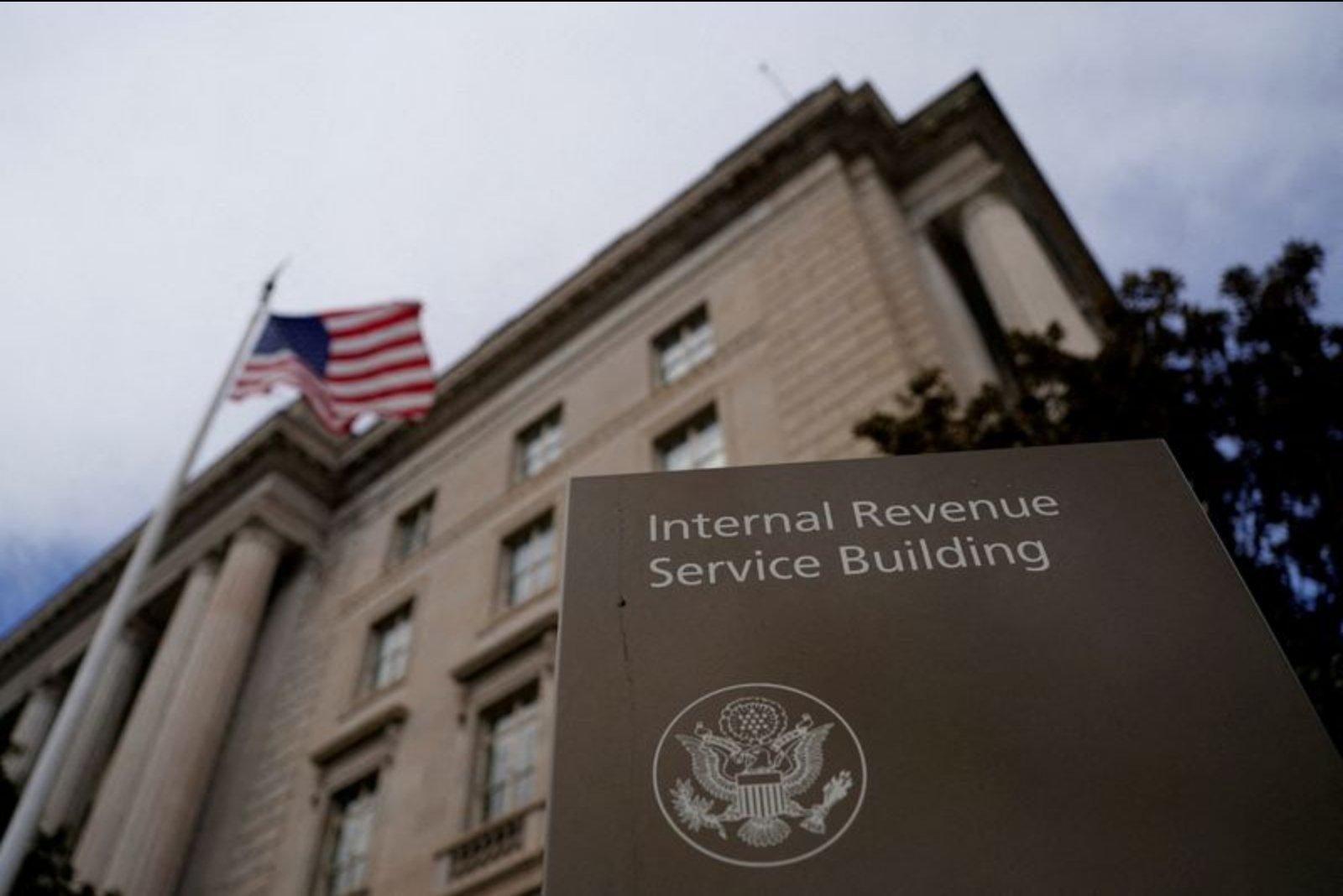
Lawyers representing President Donald Trump and the Internal Revenue Service have moved to suspend proceedings in the president's $10 billion lawsuit over alleged leaks of his tax returns, filing in Miami federal court a request to put the case on hold for 90 days while the parties explore settlement options.
The filing, submitted on Friday, asks the presiding judge to stay the litigation "while the parties engage in discussions designed to resolve this matter and to avoid protracted litigation." The attorneys noted that a temporary pause "could narrow or resolve the issues efficiently."
There was no immediate response from the White House to a request for comment, and the U.S. Department of Justice, which represents the IRS in the matter, declined to comment.
Parties and procedural complications
The lawsuit names multiple plaintiffs and government defendants. In addition to President Trump, the plaintiffs include his adult sons, Donald Trump Jr. and Eric Trump, and the Trump Organization. The IRS and the Treasury Department are among the defendants, and the Justice Department is the government lawyer of record for those agencies.
Lawyers for the parties argued that the requested delay would also give Justice Department attorneys additional time to address potential conflicts of interest created by the unique posture of the case: the president is suing executive-branch agencies, while Justice Department lawyers ultimately report to the president.
Origins of the dispute
The lawsuit traces to disclosures by Charles Littlejohn, a former IRS contractor, who provided tax-return information to media outlets, including the New York Times and ProPublica. Reporting based on those documents indicated the returns showed the president paid little or no income taxes in many years.
The plaintiffs allege the unauthorized disclosures caused financial harm, public embarrassment and reputational damage.
Prosecutors charged Littlejohn in 2023 with leaking tax records belonging to the president and thousands of other wealthy individuals. Authorities said Littlejohn was driven by a political agenda. He ultimately pleaded guilty to improper disclosures and was sentenced to five years in prison.
Financial implications and other litigation
Any damages paid in this lawsuit would likely be drawn from taxpayer funds. President Trump has said that if he recovers money from the case he would donate the proceeds to charity.
The president has filed a series of large civil suits in his personal capacity since winning a second term in 2024, often in response to media coverage. Those actions include a $15 billion suit naming the New York Times and Penguin Random House, and a $10 billion suit against the BBC over its editing of a broadcast of a speech he delivered prior to the January 6, 2021, breach of the U.S. Capitol.
Separately, a judge recently dismissed Mr. Trump’s $10 billion lawsuit against the Wall Street Journal over an article referencing a lewd birthday greeting involving the late Jeffrey Epstein, while allowing the president to refile by April 27. The president said he planned to refile.
Contextual note within the article
The article also contained promotional material referencing a Fair Value calculator for evaluating whether the New York Times is a bargain, describing the tool as using a mix of 17 valuation models to assess stocks. That material appeared as part of the original content but is separate from the reporting on the lawsuit.
What happens next
The judge will determine whether to grant the requested 90-day hold. If the court agrees, the pause would provide the parties time to pursue negotiations that, according to their filing, could reduce the scope of disputes or lead to a resolution without extended litigation. If the stay is not granted, the case would proceed under the court’s existing schedule.