
Economy April 17, 2026 06:47 PM

Watchdog Sues USDA Over Withheld Records on Ohio Train Toxicity Concerns

Government Accountability Project says redacted and withheld documents show USDA officials feared dioxin contamination after East Palestine derailment

By Priya Menon
Watchdog Sues USDA Over Withheld Records on Ohio Train Toxicity Concerns

A whistleblower nonprofit has filed suit against the U.S. Department of Agriculture alleging improper withholding of records that the group says show USDA officials recognized realistic pathways for toxic chemical contamination of the local food supply after a 2023 Ohio train derailment. The organization contends the Environmental Protection Agency did not carry out targeted testing for dioxins in local produce, meat, eggs or wild game.

Key Points

  • Watchdog group Government Accountability Project filed federal suit claiming USDA withheld or heavily redacted FOIA records showing internal concern about contamination pathways after the East Palestine derailment - impacts: agriculture, food safety, regulatory oversight.
  • Group alleges EPA did not conduct targeted testing for dioxins in garden produce, meat, eggs or wild game despite USDA records indicating possible contamination - impacts: local food markets, public health surveillance.
  • Railroad derailment in February 2023 led to controlled draining and burning of chemical cargo from five rail cars; EPA reported no contamination in drinking water and indoor air tests but experts raised soil and agricultural contamination concerns - impacts: transportation, environmental remediation sectors.

April 17 - A nonprofit whistleblower organization filed a federal lawsuit in the District of Columbia on Friday accusing the U.S. Department of Agriculture of improperly withholding documents related to potential contamination of the food supply by toxic chemicals following a train derailment in Ohio in 2023.

The Government Accountability Project, which brought the suit, also released a report asserting that records it obtained via a Freedom of Information Act request were heavily redacted and that some documents were not produced at all. The group says the documents that were provided show USDA officials privately recognized credible contamination pathways from the incident in East Palestine - a village near the Ohio-Pennsylvania border - but did not follow through with comprehensive testing or full disclosure to residents.

According to the group's statement, the Environmental Protection Agency did not perform targeted testing for dioxins - a toxic chemical compound - in locally grown garden produce, livestock meat, eggs or wild game. The Government Accountability Project alleges that this lack of testing occurred despite internal USDA records indicating concern that dioxins could reach agricultural land and the food chain.

A USDA spokesperson declined to comment on the matter, citing pending litigation.


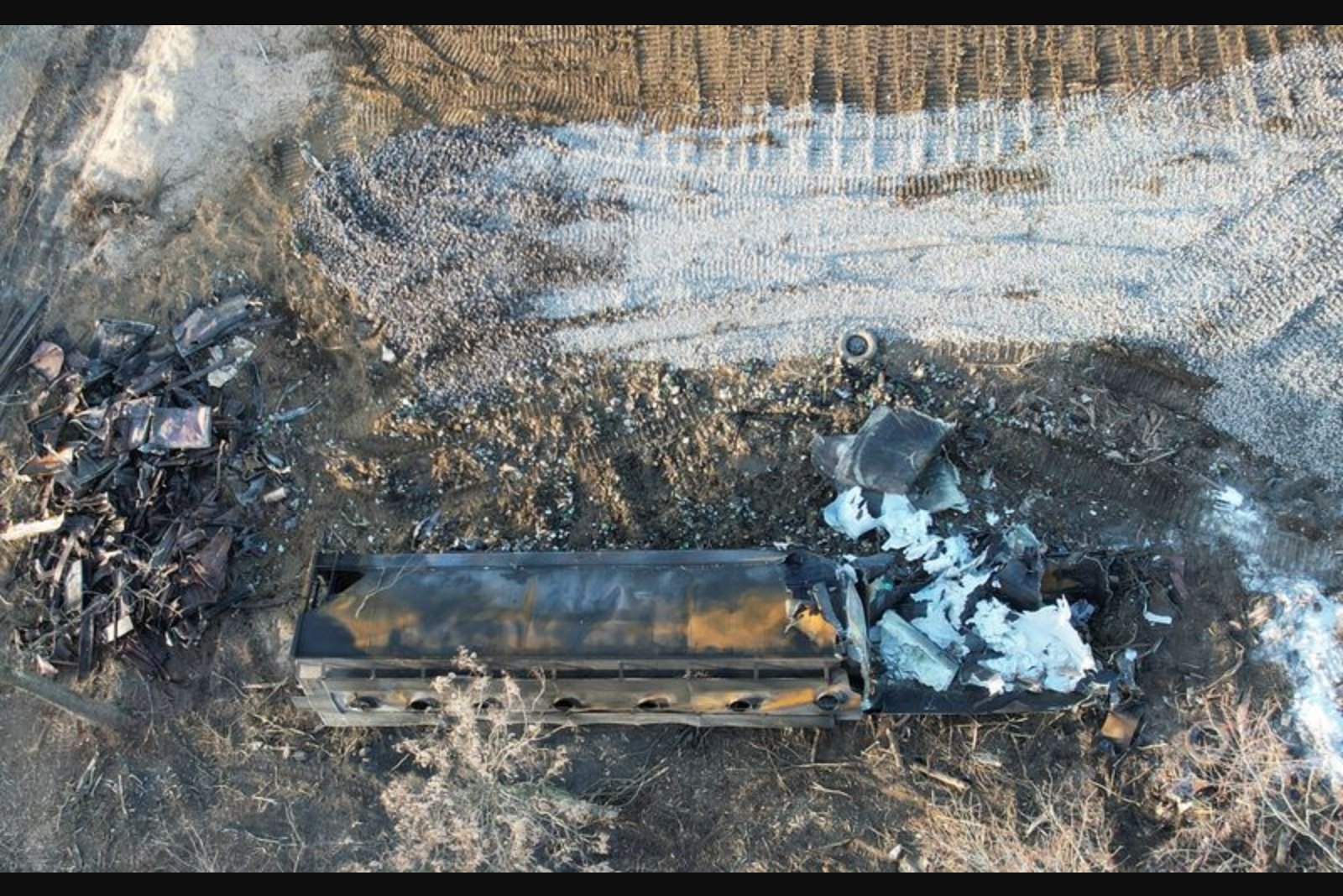
The underlying incident began on February 3, 2023, when a Norfolk Southern Railway train traveling from Illinois to Pennsylvania derailed, igniting a large fire and prompting the evacuation of hundreds of nearby homes. In the aftermath, railroad crews drained and burned chemical cargo from five rail cars.

At the time, the EPA reported that tests of drinking water and indoor air in homes near the derailment found no contamination. Nonetheless, independent experts raised concerns that dioxins - which can be produced by controlled burns of certain chemicals - might have contaminated agricultural land in the surrounding region.

Lesley Pacey, senior environmental advisor at the Government Accountability Project, told reporters that while some materials were turned over by the USDA, those records were heavily redacted and that additional documents were withheld. The lawsuit requests release of the withheld records and seeks to make the redacted content public.

Pacey said the produced materials demonstrate internal recognition within the agency that contamination pathways were "very realistic and concerning," yet the USDA did not pursue widespread testing nor effectively communicate potential risks to local residents, according to the group's claims.

The litigation and the report highlight ongoing disagreements between watchdogs and federal agencies over the adequacy of post-incident testing and disclosure related to environmental and food safety risks.

Risks

  • Withheld or redacted records limit public and regulatory scrutiny of contamination risks and response measures - risk to regulatory transparency and agricultural markets.
  • Apparent lack of targeted dioxin testing in food items creates uncertainty over the safety of locally sourced produce, meat and game - risk to food supply confidence and consumer demand in affected areas.
  • Differences between agency testing results for water and air and expert concerns about soil and agricultural contamination leave unresolved questions about longer-term impacts on local agriculture and property values - risk to agriculture, real estate and regional economic activity.

More from Economy

World Bank Unveils Job-Focused Strategy to Support Small States Facing Unique Risks Apr 17, 2026 Barclays CEO Warns Anthropic's Mythos Poses Major Cyber Risk to Banks; More Advanced Models Likely Apr 17, 2026 Anthropic CEO Meets White House Officials Amid Pentagon Dispute Over New AI Model Apr 17, 2026 U.S. Sanctions Target Recruiters of Former Colombian Troops Serving a Sudanese Paramilitary Apr 17, 2026 BoC Governor Says Short-Term Rise in Inflation Expectations Not a Cause for Alarm Apr 17, 2026