
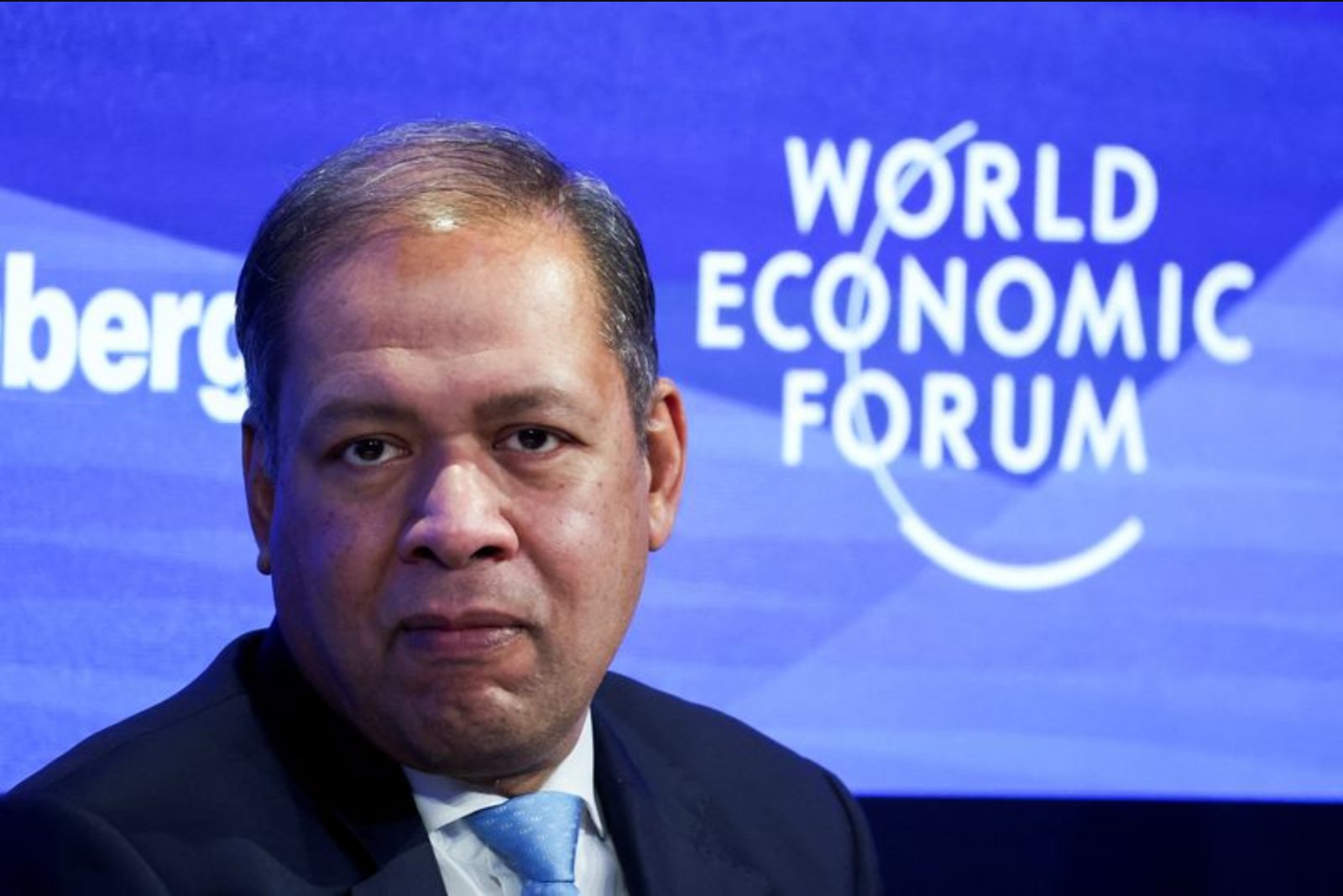
Barclays Chief Executive C. S. Venkatakrishnan said on Friday that Anthropic's latest AI frontier model, Mythos, constitutes a serious threat to the global banking system and that similar, potentially more powerful cyberthreats are likely to follow.
Venkatakrishnan highlighted Mythos' elevated ability to produce high-level code, which he said gives the model an uncommon capacity to identify cybersecurity vulnerabilities and to devise methods to exploit them. That capability, he warned, creates concerns that the technology could be used in ways that destabilise banks.
The sense of urgency around the model has pushed regulators and supervisors into rapid response mode, Venkatakrishnan said. Selected organisations are now reviewing Mythos to determine the concrete level of cybersecurity risk it poses.
Regulatory alarm has grown because Mythos is seen as a direct challenge to the banking sector and its older technology stacks. Speaking at a meeting of the G30 consultancy group on the sidelines of the IMF's spring meeting, Venkatakrishnan framed the development as part of a broader trend.
"On Mythos, look, it’s a serious issue," he said.
He added a caution about what comes next. "But here’s the thing: there will be a Mythos 2 and a Mythos 3, and they’ll come up with probably distressing frequency," he said. The expectation of iterative and rapid improvement in such models, Venkatakrishnan argued, will accelerate an arms race that forces lenders to innovate.
Venkatakrishnan noted that this dynamic may be especially difficult for older and larger institutions that could be operating legacy systems less able to absorb or defend against these new threats. He stressed the need for a clear understanding of the technology's capabilities and for measures to protect institutions.
"We have to understand its capabilities and we have to understand how to safeguard against it."
The comments underline growing concern among financial leaders and regulators about the security implications of advanced AI models that can write or suggest exploitative code. Institutions and supervisors are now prioritising reviews of Mythos to gauge the scope of the cybersecurity challenge and to begin planning protective responses.
Context and next steps
Venkatakrishnan's remarks, delivered at a G30 consultation during the IMF's spring meeting, reflect an industry grappling with the rapid capability improvements of generative AI systems and the uneven preparedness across banks to counteract potential misuse. The immediate focus among regulators and some organisations is to assess Mythos directly and to identify appropriate safeguards for banking infrastructure, especially where legacy systems may be vulnerable.