
Institutional investors and large fund managers are continuing to allocate capital to private credit managers and business development companies (BDCs) even as those vehicles confront redemption requests and heightened scrutiny of hard-to-value holdings.
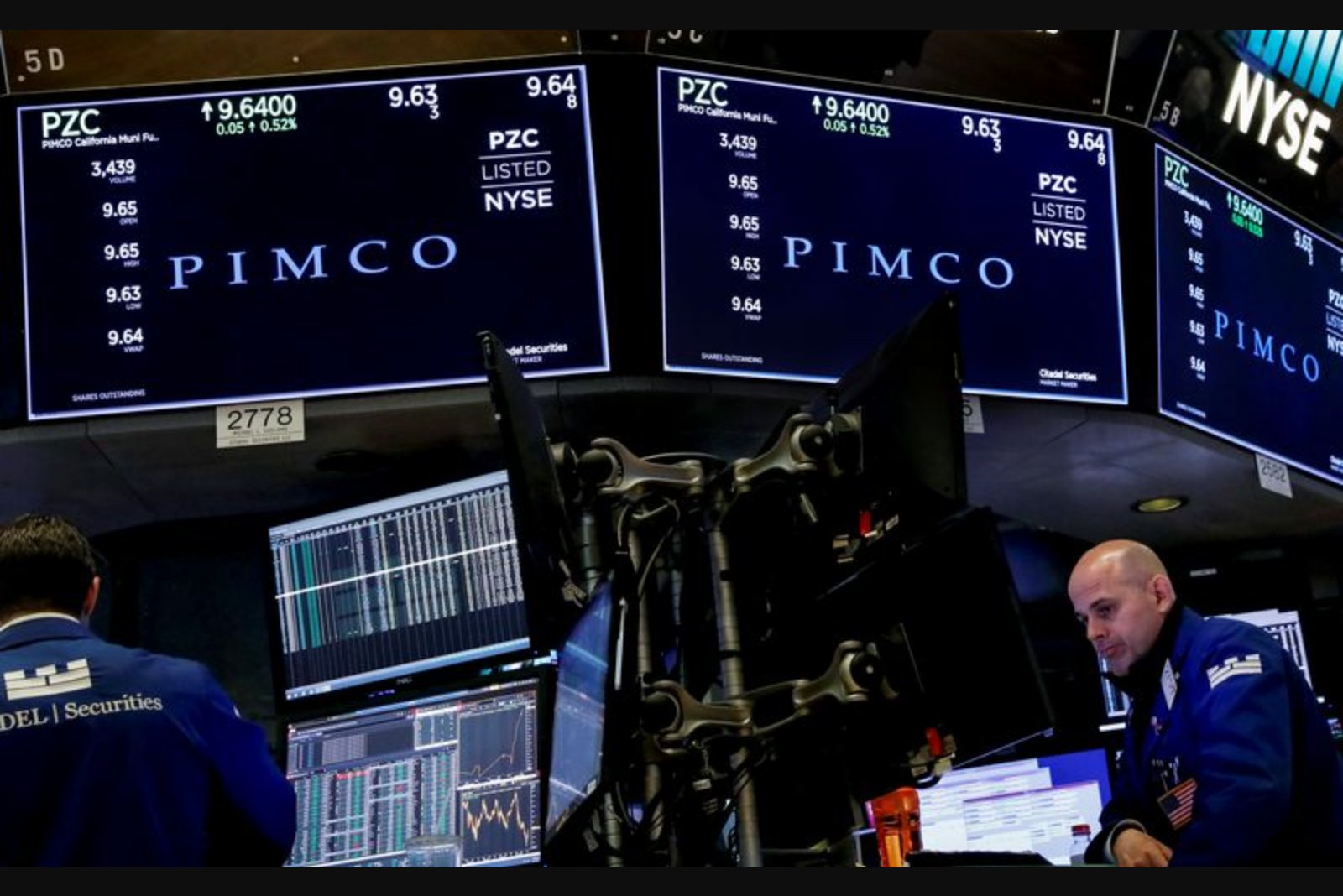
Debt markets took note when bond manager PIMCO purchased the entire $400 million bond offering from private credit firm Blue Owl Capital. That trade became a focal point for market commentary, highlighting the willingness of major managers to absorb sizable private credit paper.
Beyond that transaction, a range of fundraising activity has been reported across the private credit landscape. Some of the new capital has been raised through collateralised loan obligations, while other vehicles have turned to equity placements and traditional bond issuance to secure funding.
Examples of recent raises include:
- Golub Capital launching a direct lending fund that garnered approximately $320 million in commitments from 14 institutional investors. Golub's portfolio includes significant exposure to the software services sector, an area that has drawn investor concern.
- Goldman Sachs Private Credit Corp. pricing $750 million of 6.15% fixed-rate notes due 2031, with proceeds earmarked to reduce revolving credit facility usage and to broaden its funding base.
- StepStone's private credit vehicle raising $88.7 million in March; the fund reported $3.19 billion in investments and $1.24 billion in outstanding debt.
- BlackRock's Private Credit Fund securing about $38 million of new institutional capital in early March 2026.
- Point Credit Income Fund taking in roughly $11.85 million in April.
Exchange-traded funds focused on private credit and BDC exposure have also seen unprecedented inflows even as concerns persist about redemption dynamics and valuation risk within the asset class. Data from LSEG Lipper show that 22 BDC funds attracted a combined $868 million in the first quarter of the year, the largest quarterly inflow on record.
The largest single recipient was the State Street IG Public & Private Credit ETF, which recorded inflows of about $700 million.
VanEck reported steady inflows into its ETFs that invest in alternative asset managers and related credit exposures. Brandon Rakszawski, head of product development at VanEck, said: "We’re not seeing in our flows what we’re seeing in the headlines," referring to the steady inflows into the firm's two exchange-traded funds. One of those, the VanEck Alternative Asset Manager ETF (GPZ), allocates to alternative asset management firms such as Blackstone, KKR, Apollo Global Management and Ares Management.
GPZ had $214.8 million of assets under management, recorded no outflows over the past three months, and posted inflows of $110.06 million in the reported period. Rakszawski added: "Doomsday headlines may be overstating the actual level of risk. Our flows are telling us a different story: that investors view this as an opportunity to invest at a discount to recent prices."
Market participants point to these transactions and inflows as evidence that, despite public concerns about liquidity and portfolio opacity, a segment of investors remain willing to deploy capital into private credit strategies. At the same time, managers have been using a variety of funding techniques - from bond issuance to collateralised structures - to shore up liquidity and diversify funding sources.
The sector's recent activity presents a dual narrative: notable capital commitments and record ETF demand on one hand, and ongoing questions about redemption risk, valuation transparency, and concentrated sector exposures on the other.