
Hiroshi Okuda, the longtime Toyota executive who served as president and later chairman during a transformative era for the automaker, died Tuesday, according to reports. He was 93.
Born near Nagoya on December 29, 1932, Okuda joined Toyota as the company was expanding its production footprint in post-war Japan and remained with the firm for his entire career. He began in the accounting division and went on to run Toyota's Asia and Oceania operations before moving into corporate leadership.
In 1995 Okuda was elevated to president, becoming the first person in nearly 30 years to hold the post who was not a member of the founding Toyoda family. He succeeded Tatsuro Toyoda, the son of founder Kiichiro Toyoda, at a time when the company was contending with falling profits and a shrinking share of its domestic market. Okuda's mandate included improving the company's image in Japan and accelerating international growth.
During his presidency, Toyota built a manufacturing facility in France and increased production capacity in the United States. The company also took the significant step of closing a Japanese plant for the first time in its history. Those moves reflected a strategic shift toward global production that reshaped Toyota's footprint.
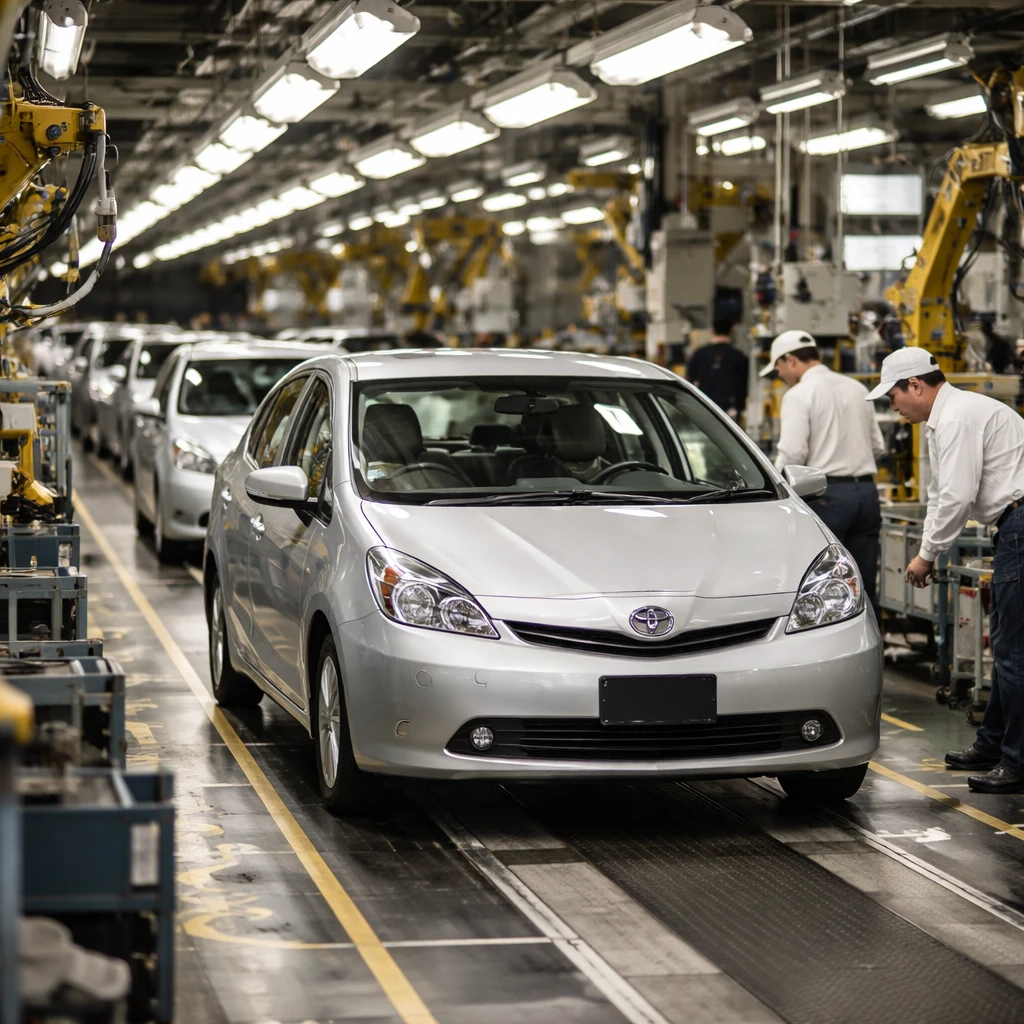
Okuda was an advocate for hybrid vehicle development within Toyota and supported the Prius project, which debuted in Japan in 1997. The model later attracted a dedicated customer base and contributed to Toyota’s standing in electric-vehicle technology.
In 1999 Okuda moved from the presidency to the role of chairman, with Fujio Cho becoming president. He served as chairman until 2006, after which he transitioned to senior adviser and continued as a board member. Okuda left Toyota's board in 2009 during a management reorganization, but the record indicates he remained an influential figure in the company's circles from outside the boardroom.
Okuda's passing marks the end of a career that spanned Toyota's post-war rise and its push to globalize manufacturing and product development. His leadership period included notable shifts in production geography and early investment in hybrid technology, elements that have had lasting visibility in Toyota's corporate trajectory.