
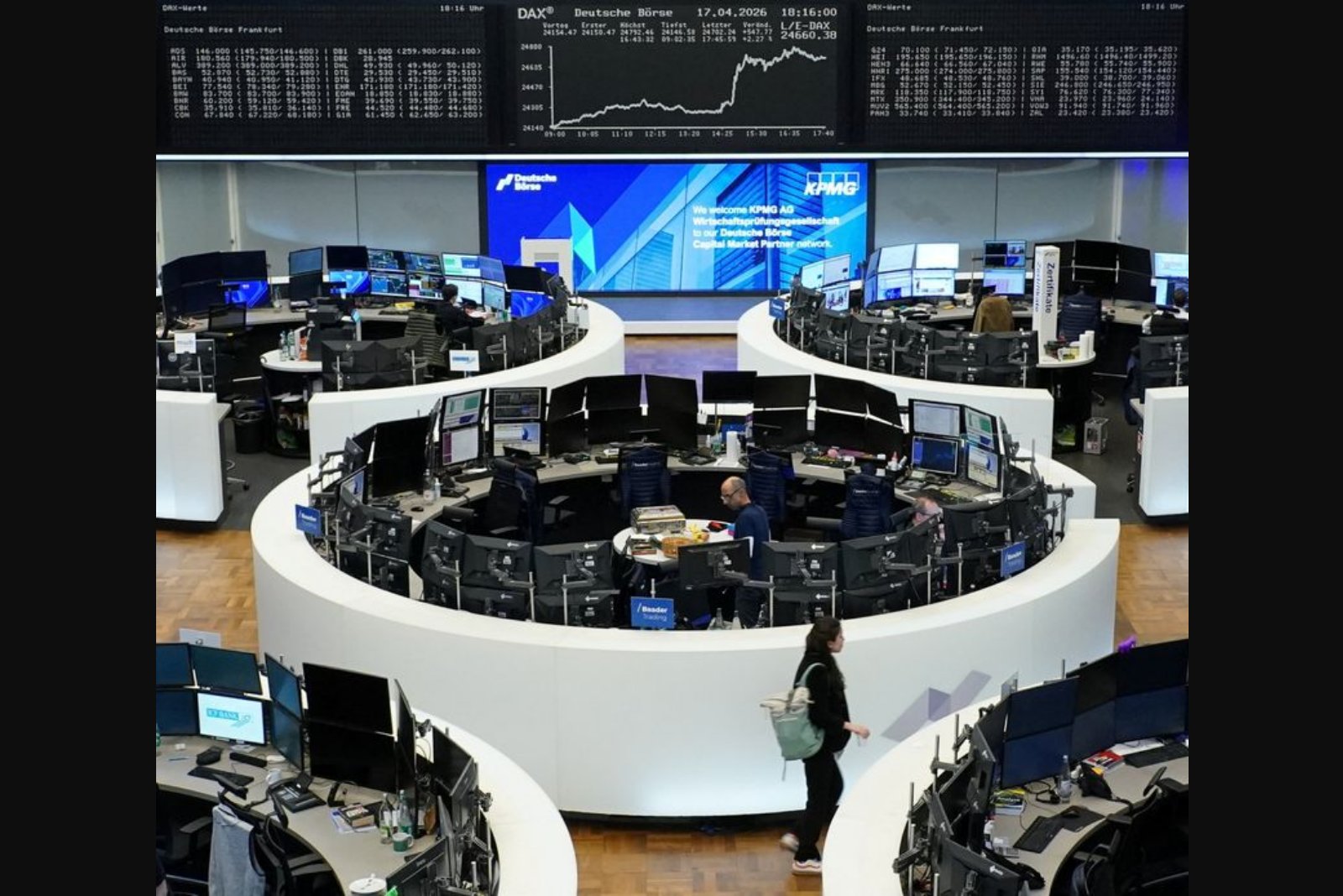
European stock futures fell early on Monday as investor optimism over a pause in U.S.-Iran hostilities faded following a new incident at sea. Futures tracking the STOXX 600 slipped nearly 1.5% by 0645 GMT, while contracts tied to Germany's DAX and France's CAC 40 were down about 1.5% and 1.3%, respectively.
The renewed market weakness followed reports that U.S. forces seized an Iranian cargo ship that attempted to run a blockade, and Tehran subsequently vowed to retaliate. The episode came as a U.S.-Iran ceasefire that has helped calm markets is due to expire on Tuesday, and officials on both sides signaled a lack of momentum toward fresh diplomacy.
According to Iran's state news agency, the country rejected new peace talks with the United States just hours after President Donald Trump said he would send envoys to Pakistan and warned of additional strikes if Iran did not accept his conditions. Those exchanges undercut the cautious optimism that had supported markets late last week.
Friday's sentiment boost, when the STOXX 600 rallied more than 1% and closed out a fourth consecutive weekly gain after Iran declared the Strait of Hormuz open, has since been reversed. The strait remains a focus for traders because it serves as a conduit for one-fifth of global energy shipments, and any threat to traffic there can quickly lift crude prices and pressure energy-importing economies.
Despite the reimposition of a closure on the strategic waterway, shipping data from Kpler showed that more than 20 vessels carrying oil, metals, gas and fertilizer transited the strait on Saturday - the busiest traffic day since March 1. That activity points to some degree of operational flow, but market participants remain sensitive to signs that the temporary calm could break down.
Higher oil prices continue to exert a drag on European economies that rely heavily on energy imports, keeping investors cautious. The report noted that oil majors are poised to benefit and could register strong gains amid the crude price surge, while travel and industrial companies may be vulnerable to sharper declines due to the higher cost base.
Market implications
- Equity futures across Europe opened lower as geopolitical risk rose.
- Energy price spikes are a central channel through which the conflict affects European markets.
- Transport-intensive sectors such as travel and industrials face heightened downside pressure.