
Stock Markets April 15, 2026 08:18 AM

EU set to unveil 'AccelerateEU' plan to shift away from oil and gas via electrification

Commission draft frames package as energy and economic security push with fiscal backing for low-carbon tech

By Hana Yamamoto
EU set to unveil 'AccelerateEU' plan to shift away from oil and gas via electrification

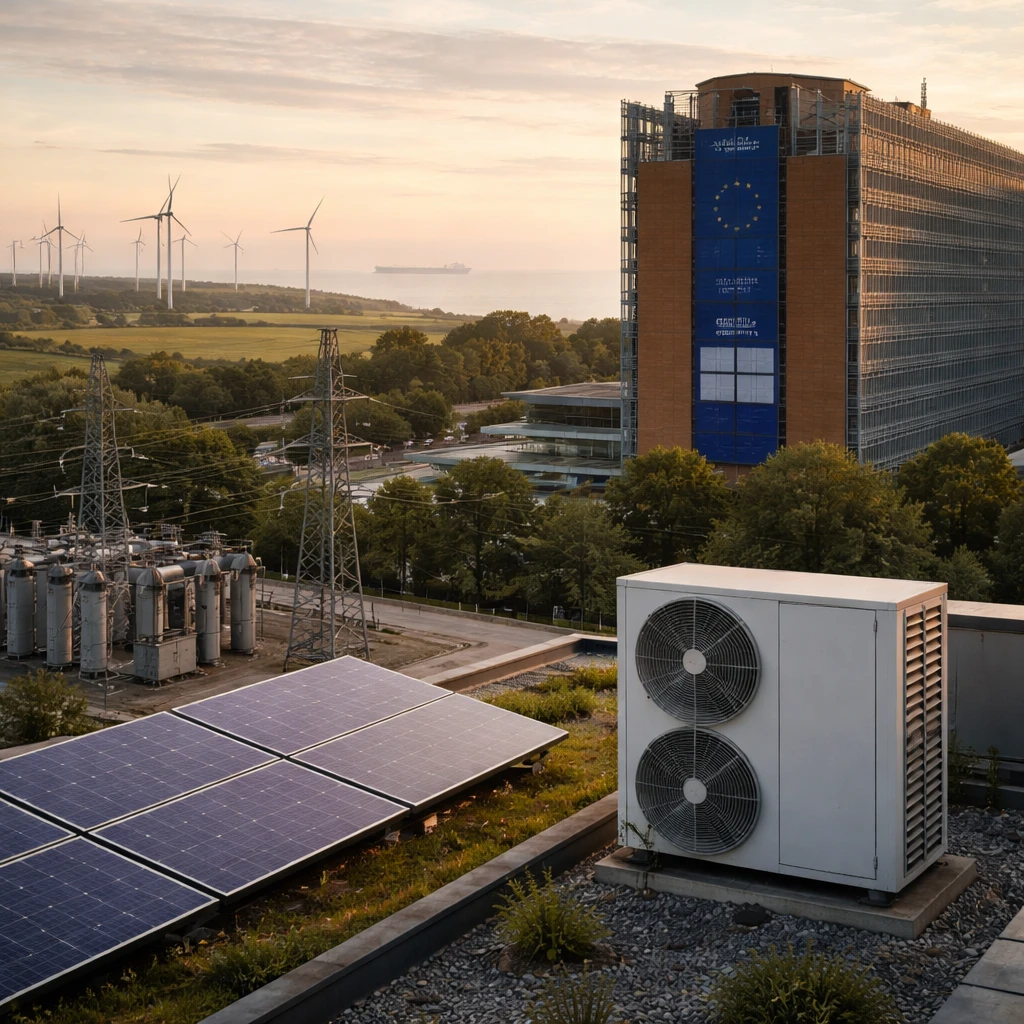
The European Commission is reported to be preparing a policy package called "AccelerateEU," due on April 22, that seeks to curb the bloc's oil and gas demand by driving electrification and by offering fiscal support for low-carbon technologies. The initiative, developed in reaction to recent energy disruptions tied to instability in the Middle East and the Iran conflict, is being presented as an infrastructure and security measure rather than an incremental climate action. Draft proposals reportedly include tax measures favoring electricity over fossil fuels, an EU-wide electrification target ahead of summer, fiscal incentives for heat pumps, geothermal systems and smart grids, and more coordinated gas storage filling to reduce price volatility.

Key Points

  • The European Commission plans to publish the "AccelerateEU" energy package on April 22 to reduce oil and gas demand through electrification and fiscal support for low-carbon technologies.
  • Reported measures include lower taxation on electricity versus fossil fuels, an EU-wide electrification target before summer, and fiscal support for heat pumps, geothermal systems and smart grids - measures that affect energy, utilities, industrials and clean technology sectors.
  • Brussels aims to improve coordination of gas storage filling to prevent price spikes from uncoordinated procurement; tax changes would need unanimous member-state approval, highlighting political and implementation constraints.

The European Commission is expected to publish a new energy policy package titled "AccelerateEU" on April 22, according to media reports cited by Jefferies. The package is designed to lower Europe's reliance on oil and gas by promoting greater electrification and by deploying fiscal measures to back low-carbon technologies.

The initiative has been put together in response to recent energy disruptions linked to instability in the Middle East and the Iran conflict, events that have driven price spikes and raised concerns about supply routes, particularly those around the Strait of Hormuz. In that context, the Commission is reportedly positioning the plan as infrastructure for economic and energy security rather than as an incremental climate policy.

A draft of the plan emphasizes that the benefits of the energy transition outweigh its costs and argues that Europe cannot continue to be exposed to increasingly frequent energy shocks. The draft lays out several reported measures intended to shift demand away from fossil fuels.

Among the reported proposals is a move to tax electricity at a lower rate than fossil fuels, with potential options that could lead to zero-rated power for energy-intensive industries. The Commission is also expected to set an EU-wide electrification target before summer, signaling a near-term objective to speed uptake of electric technologies across sectors.

Complementary elements in the package reportedly include a catalogue of fiscal support aimed at energy-saving measures and clean technologies. Specific technologies mentioned in the draft are heat pumps, geothermal systems and smart grids. These supports are intended to accelerate the replacement of oil and gas demand through greater deployment of electric and low-carbon solutions.

On the supply-security side, Brussels is expected to improve coordination of gas storage filling to avoid price spikes caused by uncoordinated procurement by member states. The draft notes that changes to taxation would require unanimous approval from EU member governments, and the Commission appears to be casting electrification as the primary lever to prevent future energy crises.


Analyst perspective: The package, as described in the draft, treats electrification and fiscal incentives as a combined approach to reduce fossil fuel exposure while addressing near-term supply and price volatility risks.

Risks

  • Unanimous approval requirement for tax changes - political risk that could delay or block tax measures aimed at favoring electricity over fossil fuels, affecting the pace of policy implementation and markets tied to energy taxation.
  • Continued Middle East instability and supply-route concerns - ongoing geopolitical risk that sustains price volatility and underpins the Commission's urgency but also leaves outcomes uncertain.
  • Potential for uncoordinated national actions on gas procurement - operational risk that could still lead to price spikes if coordination on storage filling is not effectively implemented across member states.

More from Stock Markets

SEC Approves End to $25,000 Pattern Day-Trade Threshold; Webull Shares Rally Apr 15, 2026 Morgan Stanley Channels Capital Into Trading After U.S. Capital Rule Relief Apr 15, 2026 Is the sell-off in ServiceNow a buying opportunity after AI worries? Apr 15, 2026 Macquarie Says YMTC Expansion Will Boost AMEC and NAURA as China-Focused Capex Surges Apr 15, 2026 Morgan Stanley Sees Tangible Early Progress at Target, Maintains Overweight and $145 Target Apr 15, 2026