
Overview
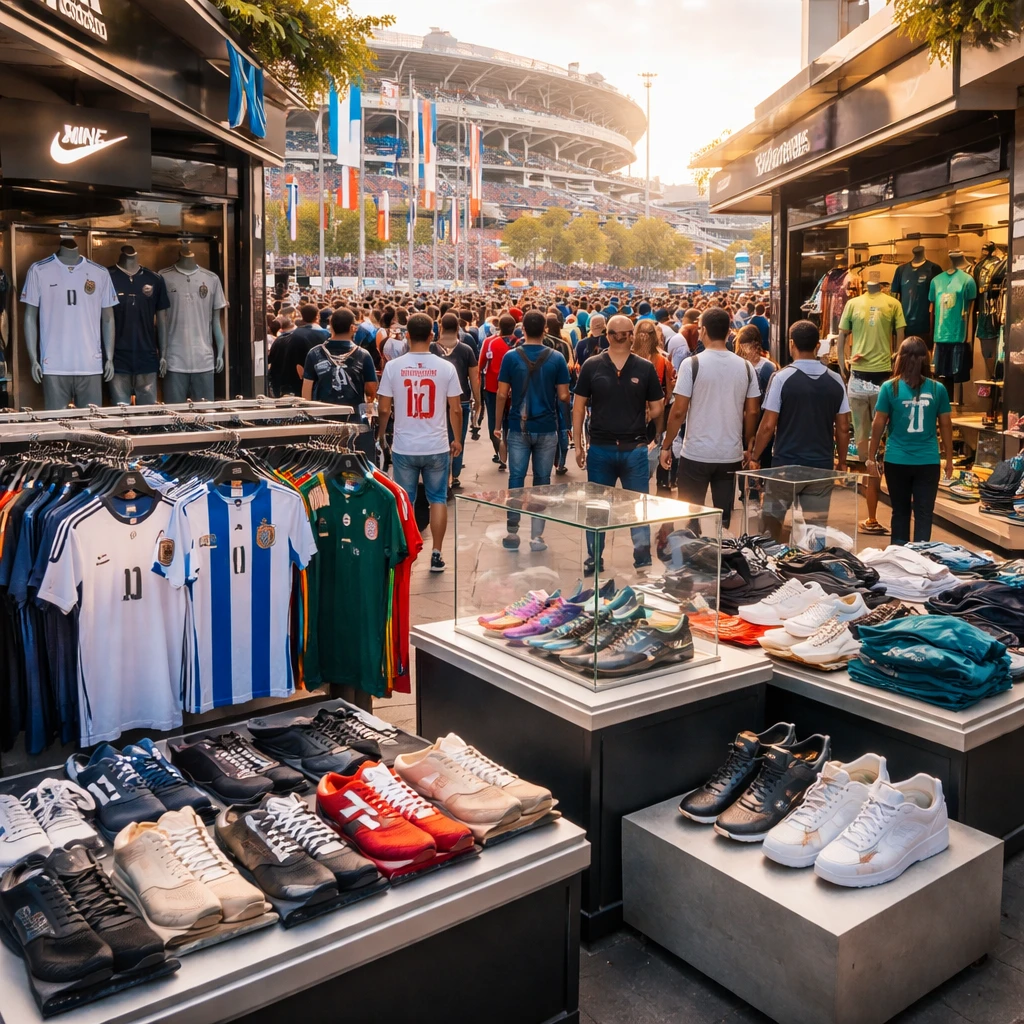
As preparations for the 2026 World Cup continue, two of the sportswear industry’s largest players have mapped different routes to capture consumer spending tied to the tournament. Adidas has mounted a broad, front-foot campaign across product and retail, while Nike has positioned the event as an opportunity to showcase performance innovations and regain traction outside its traditional running base.
Adidas’ tournament-first play
Adidas has woven World Cup themes into a wide range of touchpoints, deploying new team kits, refreshed boot technology grouped under a "World Cup boots pack," and a slate of lifestyle collaborations. One such collaboration with BAPE produced multiple sellouts, underscoring strong consumer demand for select drops. The company has extended its World Cup push across direct-to-consumer channels, wholesale partners, and social platforms, signaling a comprehensive merchandising strategy.
Company management has said the World Cup could contribute a low-single-digit percentage increase to 2026 sales. Some analysts see an even larger benefit in North America, estimating a possible mid-single-digit percentage tailwind for that region - notable because Adidas currently holds a smaller share of the North American market compared to global peers.
Nike’s targeted, innovation-led approach
Nike has taken a more restrained public posture while still highlighting tournament-related content. The brand’s dedicated soccer hub features World Cup-focused offerings, but Nike’s broader home page remains centered on general sportswear. The company is introducing a cooling apparel system called "Aero-FIT," which will debut around the tournament and is slated to be extended into other sports later. Nike is also expected to bring a new generation of flagship football boots to market in conjunction with tournament activity.
Nike appears to treat the World Cup as a strategic moment to rebuild credibility in performance football beyond its stronghold in running, and to cultivate long-term demand in North America. Analysts model a revenue uplift for Nike that is meaningful but smaller than Adidas’ projected boost, reflecting Nike’s larger existing sales base.
Market and investment implications
Both stocks are down year-to-date, yet analysts continue to rate them as Outperform. Observers note the World Cup functions not only as a direct revenue lever for football-related products, but also as a broader halo event that can drive traffic into other categories, including running and lifestyle apparel.
That halo is not expected to produce immediate, fully realized gains in company financials. Analysts caution that the benefits may take time to show in profit and loss statements: Nike may require at least one more quarter to evidence material results from tournament-linked initiatives, while Adidas’ longer-term growth story tied to its World Cup push could likewise need more time to fully materialize.
Additional note on investor tools
A separate analytics product evaluates NKE among a large set of equities on a monthly basis using more than 100 financial metrics. That product cites historical case studies of prior pick performance, naming Super Micro Computer at +185% and AppLovin at +157% as notable past outcomes, and indicates investors can review whether NKE appears in current model strategies.
Key takeaways
- Adidas has executed an aggressive World Cup-driven product and marketing campaign across channels, potentially producing a low-single-digit boost to 2026 sales and a higher mid-single-digit tailwind in North America.
- Nike is focusing on technical innovation, including the Aero-FIT cooling apparel and a new flagship boot generation, targeting a smaller but meaningful revenue uplift relative to Adidas because of its larger sales base.
- The World Cup is likely to produce cross-category benefits for footwear and apparel segments, but measurable impact on corporate financials may lag by at least a quarter or more.
Sections impacted
- Apparel and footwear retail - direct-to-consumer and wholesale channels
- Consumer discretionary sector - brand and marketing-driven sales
- Regional market dynamics - North America emphasis for share gains