
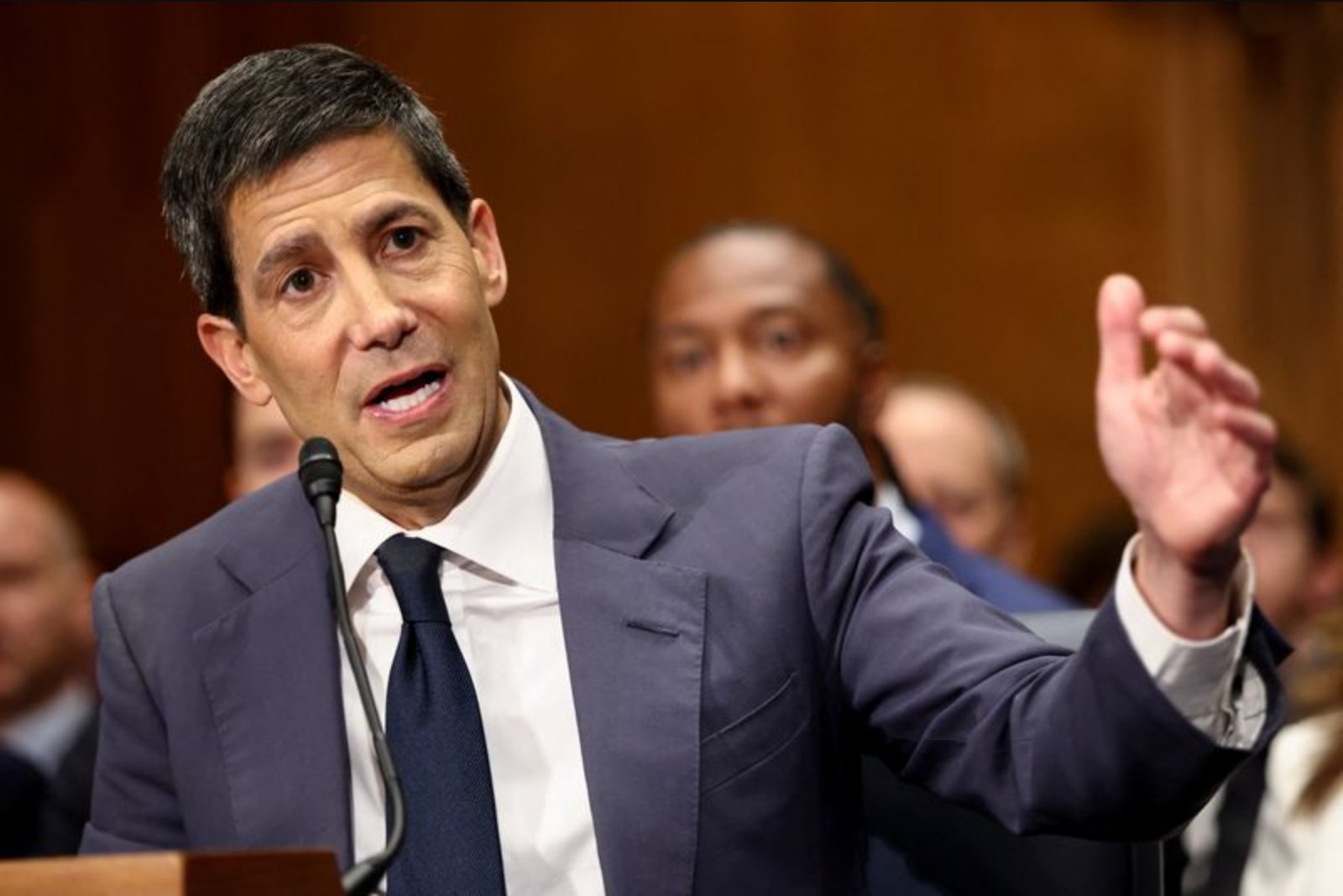
Kevin Warsh, nominated to head the Federal Reserve, faced pointed scrutiny from Democratic senators on Tuesday over his intention to sell tens of millions of dollars in financial assets if he is confirmed. Speaking at his confirmation hearing before the Senate Banking Committee, Warsh said he had committed to divest "virtually all of my financial assets, the large majority of which will be divested" before taking office.
Warsh framed the divestment decision as a measure taken to eliminate any questions about his independence and to ensure clarity in his financial record. He said he had gone "above and beyond" what was required in crafting his plan, and added that the motive was straightforward: "the Fed needs to re-establish its credibility."
Senator Elizabeth Warren pressed Warsh on the mechanics of the proposed sales, asking what specific assets would be sold and how the transactions would be executed. Her line of questioning followed the release of financial disclosure documents filed by Warsh that showed substantial wealth across a range of investments, much of which the documents indicated would be incompatible with central bank rules that restrict what officials can hold.
Asked how those investments would be divested and who might buy them, the 56-year-old lawyer and financier declined to identify many of the assets. He did say, however, that he has an agreement with the government to complete sales within 90 days of being sworn into office.
Warsh also defended the transparency of his disclosures, rejecting suggestions that he had withheld information. He said, "I’ve shared all information about assets that I control and that I can share," and noted that the U.S. Office of Government Ethics found that disclosure to be satisfactory.
The nominee acknowledged practical difficulties tied to selling large and potentially complex holdings. He warned that executing the divestments would present challenges and said that once the process was finished, he expected to possess "virtually no financial assets" and that "we’ll be sitting in something like cash."
Warren highlighted a verification concern about the plan. "Do we have any way to verify that, in fact, these sales will occur if we have no idea what’s in them?" she asked, pressing the nominee on how the committee or the public could confirm follow-through given the limited public detail.
Republican Senator Thom Tillis pushed back against Democratic criticisms and defended Warsh after a Democratic senator suggested the nominee might be out of compliance with central bank ethics rules. Tillis said he felt the accusation that Warsh was out of compliance was unfair, adding, "I thought it felt like a cheap shot to say, he’s out of compliance when in fact he’s not."
At the same time, Tillis reiterated that Warsh will not receive a confirmation vote until separate matters involving the Federal Reserve are resolved. He has previously said the nominee will not get a confirmation vote until the Trump administration's criminal probe of Fed Chair Jerome Powell and a central bank renovation project are ended, and he repeated that position during the hearing.
The exchange at the hearing underscored tensions in the Senate over how to balance ethical safeguards, transparency and the practical realities of divesting substantial financial interests for a prospective central bank leader. Warsh has stated a clear timeline for selling assets and emphasized his intent to avoid conflicts of interest, while Democrats sought concrete verification mechanisms and fuller disclosure of the holdings that would be subject to sale.