
Overview
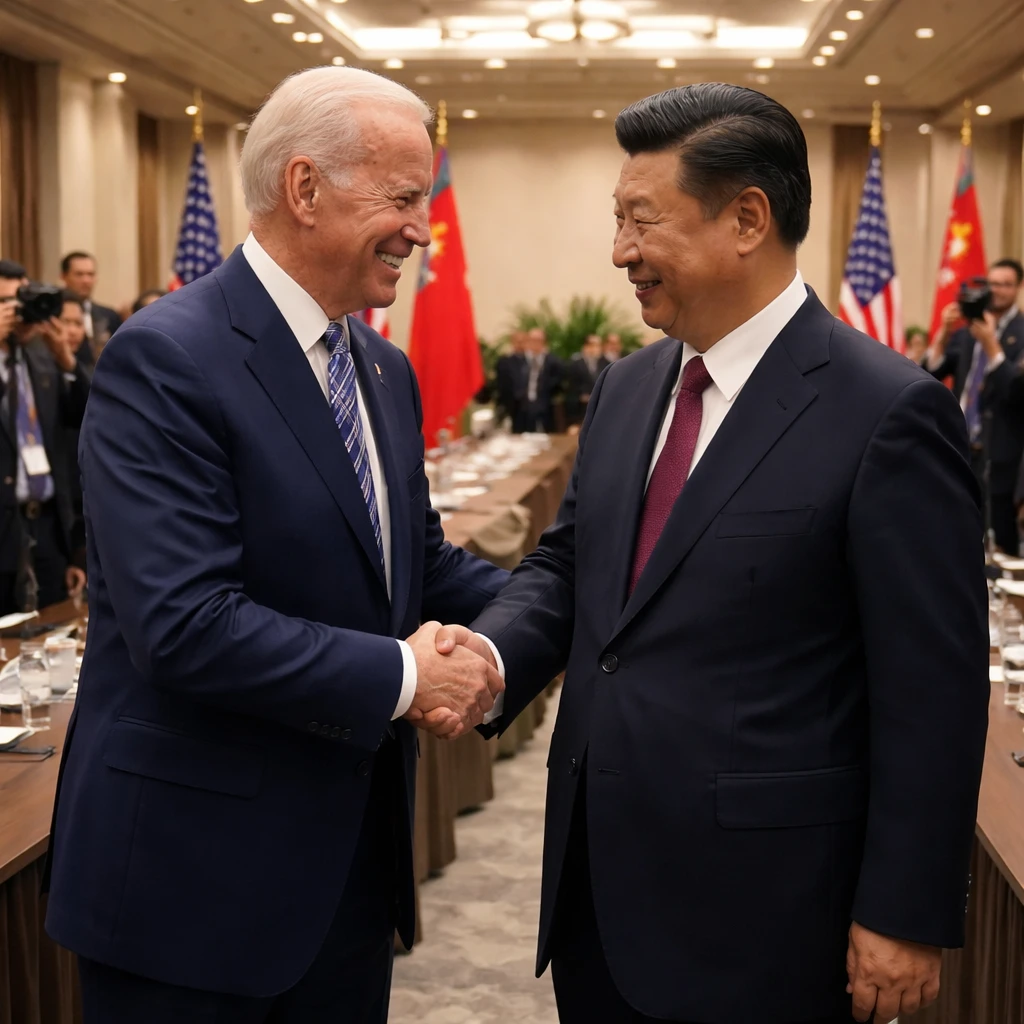
A White House summary of a recent leadership meeting, published Thursday, says President Xi Jinping informed President Donald Trump that China is interested in purchasing additional U.S. oil. The rationale provided in the readout was to reduce China’s reliance on oil shipments routed through the Strait of Hormuz.
Beijing response and official silence
State-run Chinese media recaps of the summit made no reference to increased U.S. oil purchases. At the time of the White House release, China’s foreign ministry had not publicly commented on the matter. The absence of confirmation from Chinese official channels leaves the report sourced to the White House as the only available public account of the exchange.
Context on bilateral oil flows
China is the world’s largest importer of crude oil, though shipments from the United States have historically represented a small portion of China’s overall imports. U.S. crude deliveries to China reached a peak of about 395,000 barrels per day in 2020, which amounted to just under 4% of China’s total crude imports.
By 2024, before President Trump’s return to office, those U.S. shipments had declined to 193,000 barrels per day, with an associated value of $6 billion. According to the White House readout, China has not imported any oil from the United States since May 2025. That pause in imports followed the imposition of a 20% import tariff in May 2025 amid the ongoing trade war between the two countries.
Implications and open questions
The White House readout conveys a stated interest from China in diversifying its supply routes away from the Strait of Hormuz by potentially increasing purchases from the United States. However, the lack of confirmation from Chinese official outlets and the existing 20% tariff on U.S. crude create open questions about if and how such purchases might resume.
Key points
- White House says Xi indicated China is interested in buying more U.S. oil to reduce reliance on the Strait of Hormuz - impacts energy and shipping sectors.
- Chinese state media and the foreign ministry have not confirmed the claim - introduces uncertainty for markets and diplomatic observers.
- U.S. oil shipments to China peaked at roughly 395,000 bpd in 2020, fell to 193,000 bpd by 2024 (valued at $6 billion), and stopped after a 20% tariff was imposed in May 2025 - relevant to trade and energy markets.
Risks and uncertainties
- Official silence from Chinese state media and the foreign ministry - raises the risk that the White House readout may not reflect a finalized or reciprocal agreement; affects energy market sentiment.
- The 20% import tariff imposed in May 2025 remains a concrete barrier to immediate resumption of U.S. oil exports to China - creates commercial and pricing uncertainty for oil traders and exporters.
- Historically low and declining U.S. share of China’s crude imports prior to the halt in shipments - suggests structural limits to how quickly bilateral crude flows might expand even if political intent changes; relevant to refining and shipping sectors.