
In a coordinated effort to reshape the economic landscape through enhanced energy sector development, Prime Minister Mark Carney and Alberta Premier Danielle Smith announced an implementation agreement on Friday. The accord focuses on three primary pillars: the diversification of Canadian exports, the reduction of greenhouse gas emissions, and the strengthening of the broader economy.
Carbon Pricing and Fiscal Mechanisms
A central component of the agreement involves a tiered approach to carbon pricing. The framework establishes an effective carbon price that will reach $130 per tonne by 2040. To manage this transition, interim benchmarks have been set at $115 per tonne by 2030 and $130 per tonne by 2035. Furthermore, the headline carbon price is projected to hit $140 per tonne by the year 2040. To support market stability, Alberta has committed to implementing a minimum floor price for credits within the Technology Innovation and Emissions Reduction system beginning in 2030.
To facilitate emissions-reduction initiatives, Canada and Alberta will jointly issue 75 million tonnes of Carbon Contracts for Difference. The financial responsibility for these contracts will be distributed equally between the federal and provincial governments.
Energy Infrastructure and Grid Evolution
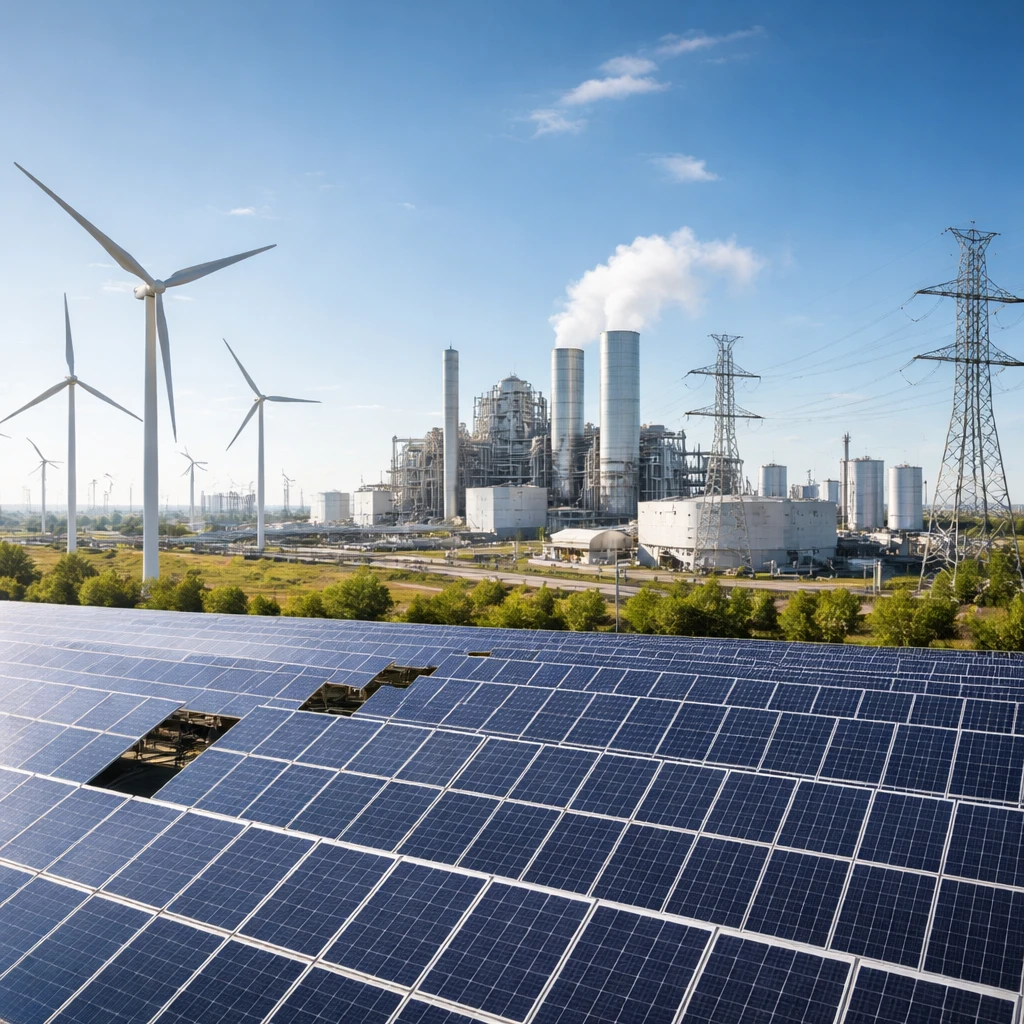
The agreement outlines a massive expansion of Alberta's energy capacity, with plans to double the province's electricity grid by 2050. This growth will be driven by a mix of nuclear, wind, solar, and geothermal power generation. To manage this transition toward net-zero emissions by 2050, a joint Electricity Working Group will be tasked with identifying necessary investments and specific projects.
Regarding fossil fuel exports, Alberta is scheduled to submit a proposal for a bitumen pipeline directed at Asian markets to the Major Projects Office by July 1, 2026. In support of this, Canada intends to pursue a designation for the project as being of national interest for approval under the Building Canada Act by October 1, 2026.
Economic Drivers and Environmental Targets
The viability of these pipeline developments is linked to the Pathways Project, a carbon capture and storage initiative. This project is expected to produce an annual reduction of 16 million tonnes in emissions. From a macroeconomic perspective, the Pathways Project is projected to generate $16.5 billion in GDP, $12.2 billion in labor income, and support up to 43,000 jobs on an annual basis.
This latest agreement follows a Memorandum of Understanding established in November 2025. Additionally, a methane equivalency agreement is targeted for completion by the end of 2026, which aims to reduce methane emissions in Alberta's oil and gas sector to levels 75% below 2014 benchmarks by 2035.
Since its inception in August 2025, the Major Projects Office has overseen 22 projects involving critical minerals, LNG, transportation infrastructure, and nuclear energy, representing total investments exceeding $126 billion.
Key Economic Impacts
- Energy and Utilities: The mandate to double the electricity grid via nuclear, wind, solar, and geothermal will significantly impact capital allocation in the power generation sector.
- Industrial and Infrastructure: The proposed bitumen pipeline and the Pathways carbon capture project represent substantial shifts for the oil, gas, and construction sectors.
- Fiscal and Regulatory: The escalating carbon price schedule and the introduction of floor prices for emissions credits will influence cost structures across various industrial sectors.
Risks and Uncertainties
- Project Execution Dependencies: The development of bitumen pipelines to Asian markets is explicitly dependent on the successful implementation of the Pathways Project carbon capture initiative.
- Regulatory Timelines: Success relies on meeting strict deadlines, such as the July 2026 proposal submission and the October 2026 national interest designation.