
Argentina's headline consumer price inflation moderated in April, according to the latest figures released by the national statistics agency INDEC. Monthly inflation came in at 2.6%, down from March's 3.4% but just above the 2.5% forecast many analysts had penciled in.
Looking at year-on-year movement, the 12-month change through April was 32.4%, a marginal decline from the 32.6% reported for the prior month and matching the consensus among analysts.
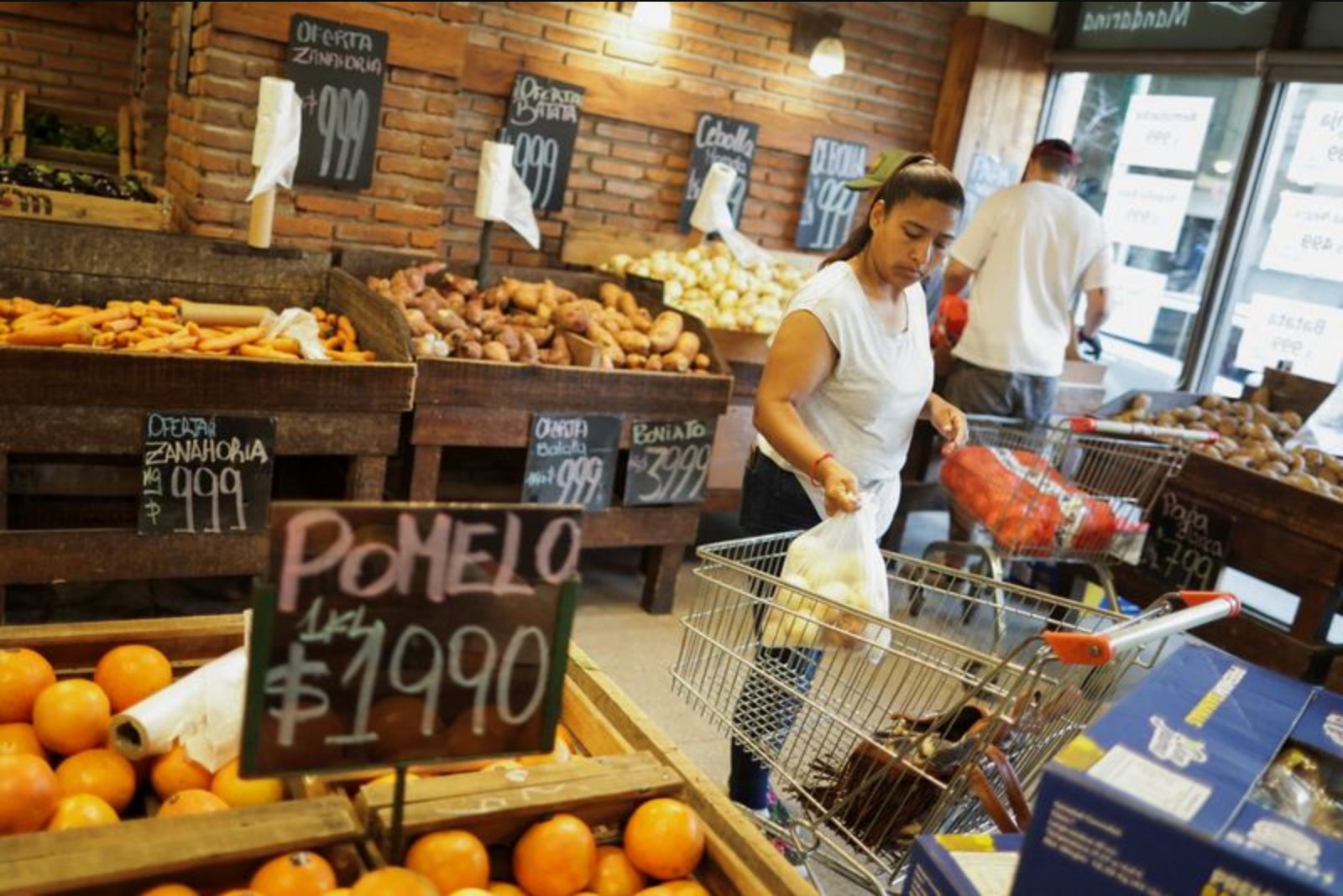
Sector-level data show uneven monthly dynamics. Transportation and Education were the principal drivers of April's increase, posting rises of 4.4% and 4.2% respectively versus March. By contrast, the smallest sectoral advances were registered in Food and non-alcoholic beverages, which climbed 1.5%, and Recreation and culture, which rose 1%.
Market watchers had anticipated a slowdown: a Reuters poll published on Tuesday indicated analysts were expecting inflation to dip in April for the first time in nearly a year, even as consumer price pressures remained present.
The report also referenced developments affecting the broader policy backdrop. It noted that earlier progress in reducing inflation under President Milei was reversed in 2025 after concerns tied to a mid-term vote filtered through to the economy. More recently, his anti-inflation efforts faced additional strain following upward pressure on fuel prices linked to the Iran war.
The data underline a complex picture: a lower monthly print that nonetheless remains slightly above forecasts and sits within a still-elevated annual inflation environment. Sectoral composition matters for how households and businesses feel price pressure, with transport and education costs exerting outsized influence in April while food and leisure categories expanded more modestly.
Data note: All figures and sectoral changes reported here are drawn from INDEC's release for April and the referenced analyst poll.