
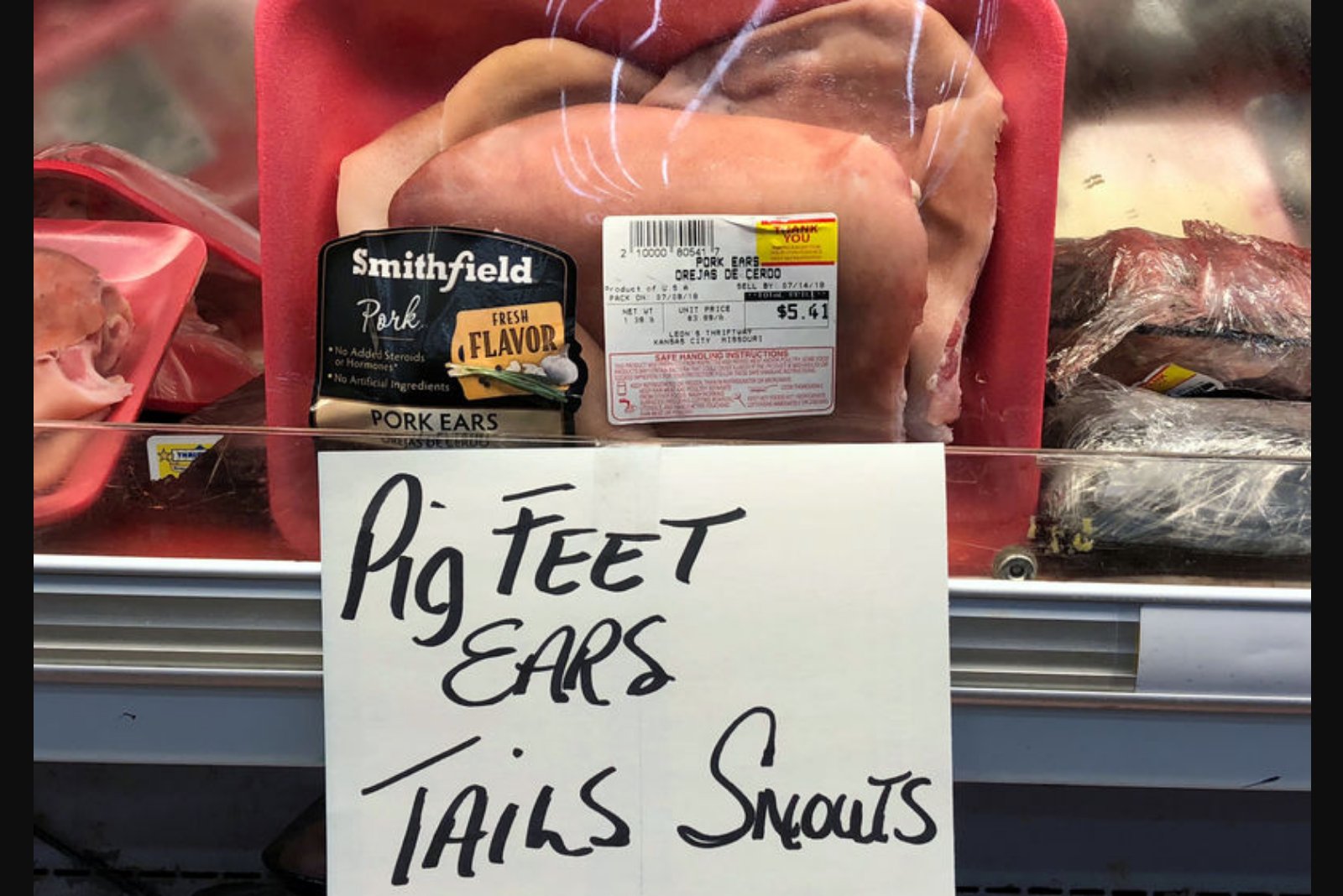
Mexican authorities have suspended imports from the United States of breeding pigs, semen, viscera and pork offal products after U.S. tests detected antibodies to the pseudorabies virus in some swine, industry representatives said.
Ivan Espinosa, head of the Mexican pork producers group Opormex, told Reuters the suspension does not apply to pork meat because muscle cuts are not considered a transmission risk. He said the restricted categories represent about 10% of the total pork-product imports that Mexico receives from the U.S.
Mexico’s National Service for Agri-Food Health, Safety and Quality (Senasica) applied the precautionary measure on May 2 by removing sanitary import requirements for those product categories from all U.S. states on its import platform, according to Espinosa.
The action followed a U.S. Department of Agriculture report on April 30 that routine testing had identified pseudorabies virus antibodies in five boars at a commercial facility in Iowa. Those animals were traced back to an outdoor facility in Texas. The USDA described the event as the first known case of pseudorabies in commercial swine in the United States since 2004.
The USDA said swine in both Iowa - the nation’s largest hog-producing state - and Texas would be culled and cautioned that any export disruptions would likely be limited and short-term. U.S. officials also stressed that the findings pose no risk to consumers and do not compromise the safety of the commercial pork supply.
Espinosa noted that roughly half of the pork consumed in Mexico is sourced from imports, and about 80% of those imports come from the United States. He said the suspension will remain until epidemiological analysis clarifies which U.S. regions are affected and which can safely resume trade.
Espinosa added that there is currently no clinical outbreak of the disease and, if restrictions persist, Mexico has options to shift purchases to other international suppliers and to rely more on domestic production to meet demand.
Most U.S. pork shipped to Mexico consists of muscle cuts, including bone-in hams. However, offal and other byproducts are commercially important to some Mexican buyers and are the subject of the current restrictions.
"We still have customers down there who want them," said Joe Schuele, spokesman for the U.S. Meat Export Federation. "There’s very little demand for them here in the United States."
The U.S. Meat Export Federation emphasized the importance of restoring access for the affected offal products to maintain those customer relationships in Mexico.
The suspension represents a targeted, precautionary step by Mexican authorities while veterinary and public-health officials pursue region-specific investigations to determine the appropriate path to resume trade in the restricted categories.