
Early on Thursday morning Cuba's electrical network suffered a partial collapse, the island's grid operator UNE reported, plunging eastern provinces into darkness and stretching already strained public tolerance after prolonged outages.
UNE said that by mid-morning officials had managed to restore electricity to a subset of essential services in the affected region. Nonetheless, much of the territory east of Camaguey - including Santiago de Cuba, the country's second-largest city - remained largely without power.
The Caribbean nation of nearly 10 million people is experiencing an escalation in outages as summer heat arrives. Authorities and residents report that a substantial majority of households, including many in the capital Havana, now endure power cuts of 20 hours or more each day.
According to the article's account of recent events, the frequency and severity of the blackouts worsened in January after a U.S. policy shift in which President Donald Trump threatened tariffs on countries supplying Cuba with fuel. As a result, previously major suppliers, Venezuela and Mexico, have curtailed shipments that once supplied a significant portion of the island's crude.
Cuba's energy and mines minister told officials on Wednesday that the country had completely run out of fuel oil and diesel - both of which are critical fuels for operating the island's electricity-generating units - and attributed the widespread blackouts to what the government describes as a U.S. blockade.
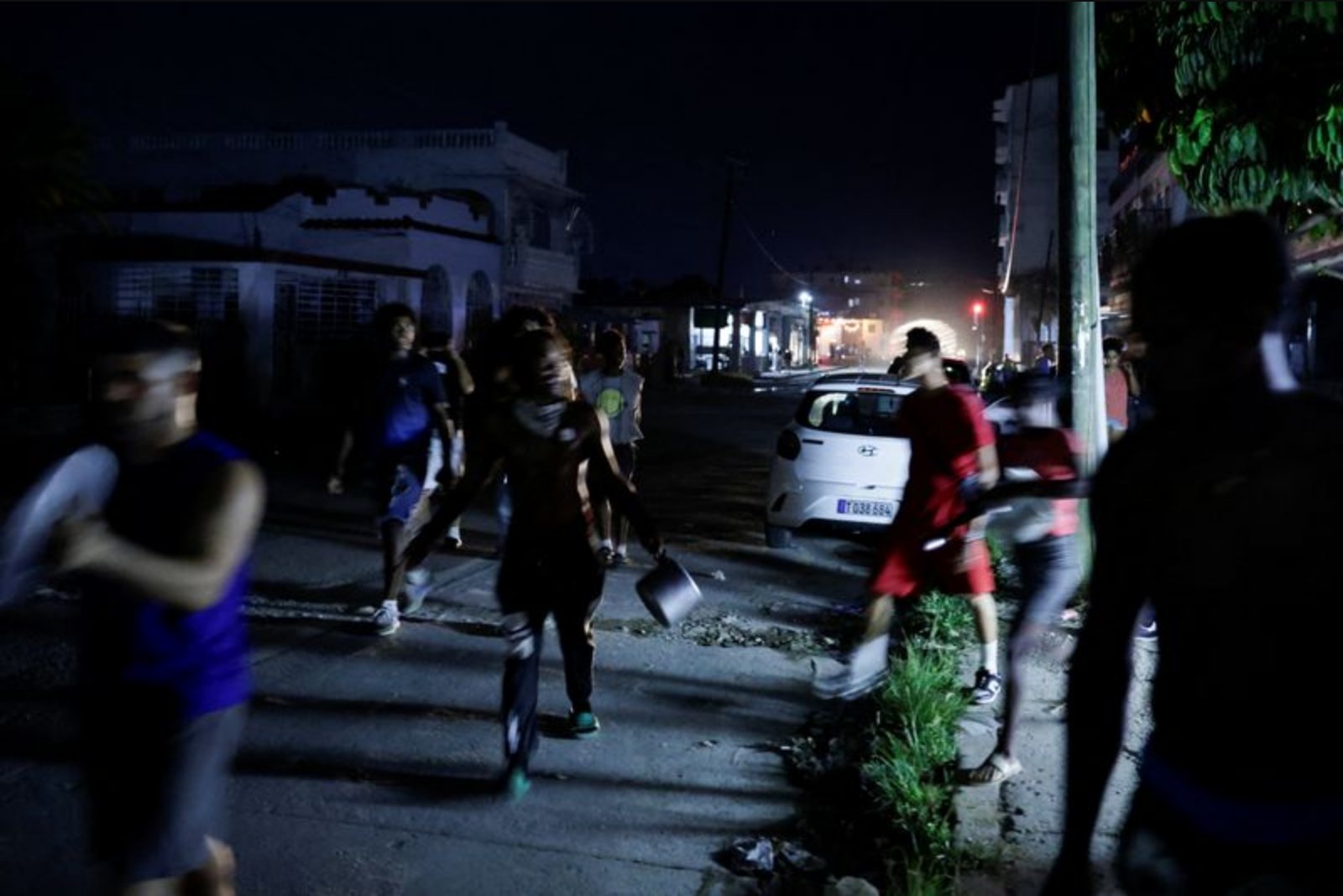
The shortages have produced conspicuous social effects. Widespread protests broke out across Havana on Wednesday evening after some neighbourhoods suffered uninterrupted outages of 24 hours or longer. Residents say prolonged blackouts threaten frozen food supplies and have made sleeping difficult or impossible for many families.
"The country has no fuel and that’s no lie," said Rodolfo Aragon, a 55-year-old small business owner who described little hope for the future amid Cuba's dispute with the United States. "Our economy has hit rock bottom."
The United Nations is reported to have labelled the fuel blockade unlawful in commentary last week, saying it obstructed "the Cuban people’s right to development while undermining their rights to food, education, health, and water and sanitation."
Observers and residents in affected areas are confronting the combined pressures of a strained power system, depleted fuel stocks, and mounting public protests. Restoring broad, sustained electricity service will depend on addressing fuel availability and stabilizing grid operations, according to statements cited by the grid operator and energy officials.
Until those constraints are resolved, households, public services, and businesses in eastern provinces and in Havana face continued disruption to daily life, food preservation, and sleep, with the potential for additional protests if outages persist.