
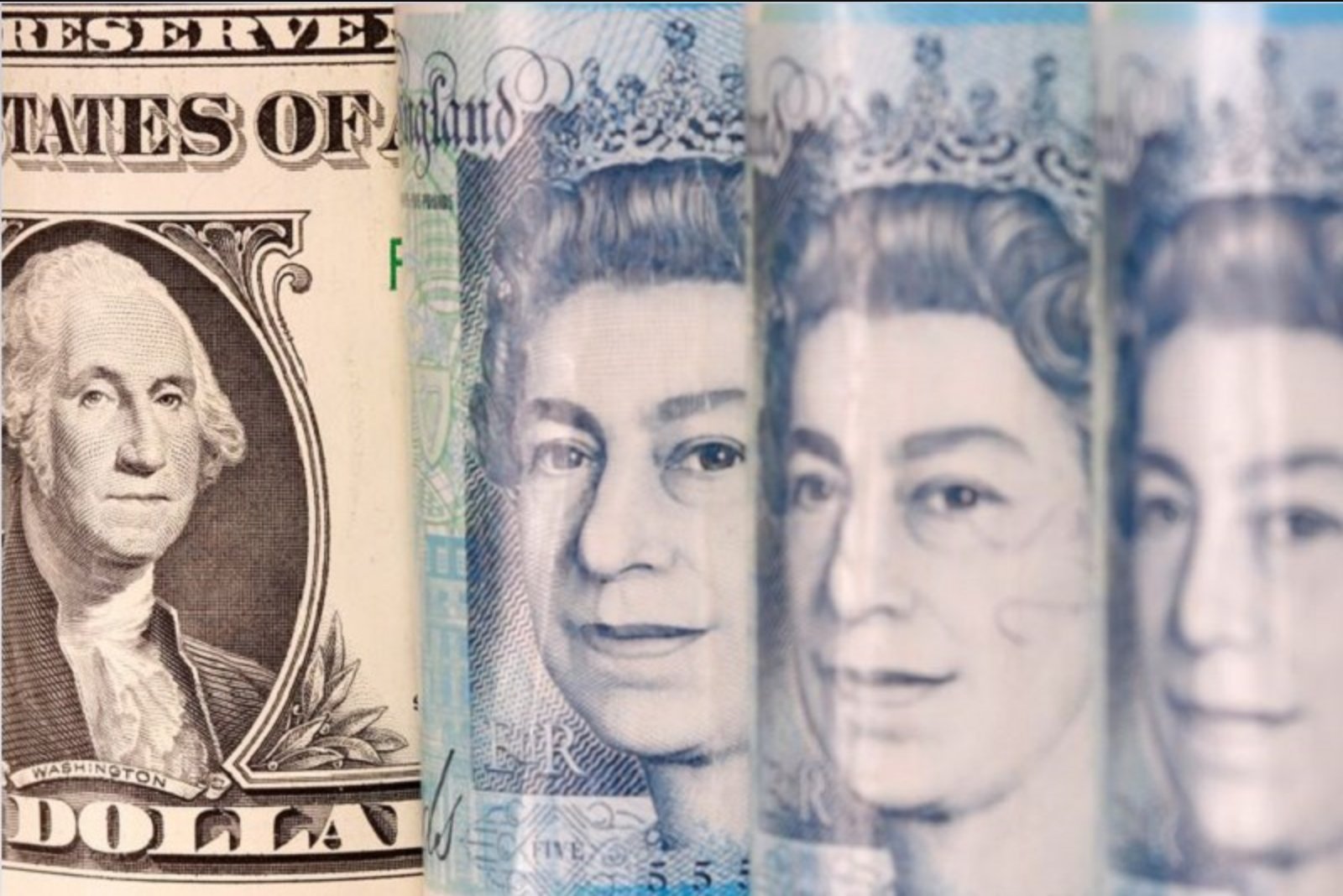
Sterling recorded a fractional gain on Friday as the U.S. dollar steadied and the euro continued to trade near recent peaks. At 04:48 ET (08:48 GMT), GBP/USD was up 0.02% at 1.3529. EUR/USD rose 0.08% to 1.1791, with the single currency still close to its latest highs.
Market participants attributed part of the greenback's renewed firmness to a rebound in crude oil, with analysts pointing to persistent geopolitical tensions in the Middle East as a support for energy prices. While there have been tentative signs of de-escalation, observers said the absence of clear progress has kept markets wary, reducing the likelihood of a sustained slide in the dollar or a decisive break above resistance in EUR/USD.
Economists at ING Group said recent moves in foreign exchange markets are being driven by the interplay between buoyant equity markets and elevated oil prices, which has produced divergence among G10 currencies. Currencies with close links to oil - notably the Norwegian krone and the Canadian dollar - have outperformed peers as the energy complex strengthened.
Analysts noted that the dollar's rebound also reflects a more cautious reassessment of risk positions. Investors appear reluctant to extend large bearish positions on the dollar given lingering geopolitical uncertainties and U.S. rate expectations that have remained relatively steady. Although equity markets have shown resilience, continued oil price volatility was highlighted as a key factor constraining the downside for the greenback.
In Europe, the euro has found it difficult to push past the 1.180 level decisively. ING flagged a cautious approach to chasing further euro upside until there is greater clarity on geopolitical developments. The brokerage currently expects the European Central Bank to raise rates in June and then hold policy steady for an extended period, reflecting a balanced but uncertain macro backdrop.
Sterling faces pressures from renewed political uncertainty in the United Kingdom. Coverage of government decisions on senior appointments has prompted fresh questions regarding Prime Minister Keir Starmer's leadership stability, particularly with local elections approaching. Market commentators emphasized the pound's sensitivity to domestic political developments, underscoring a cautious near-term outlook for the currency.
With a relatively light economic calendar ahead, foreign exchange markets are likely to remain responsive to shifts in global risk sentiment, movements in oil prices, and evolving expectations around central bank policy. Upcoming Federal Reserve-related events, notably Kevin Warsh's hearing, were identified as potential catalysts that could affect rate expectations and the dollar's short-term trajectory.
Market context
- Oil price recovery and Middle East uncertainty are supporting energy markets and influencing currency performance.
- Equity resilience combined with elevated oil prices is driving divergence across G10 currencies, favoring oil-linked currencies.
- Political developments in the UK have heightened sensitivity in GBP, while the ECB's near-term policy path is being priced as a June hike followed by a pause.
Outlook
Given the current mix of geopolitical risk, energy market strength, and central bank expectations, currencies are expected to remain sensitive to shifts in risk appetite and oil price volatility. Market participants will be monitoring geopolitical developments for clarity and upcoming Fed activities for any signals that could alter U.S. rate expectations and the dollar's direction.