
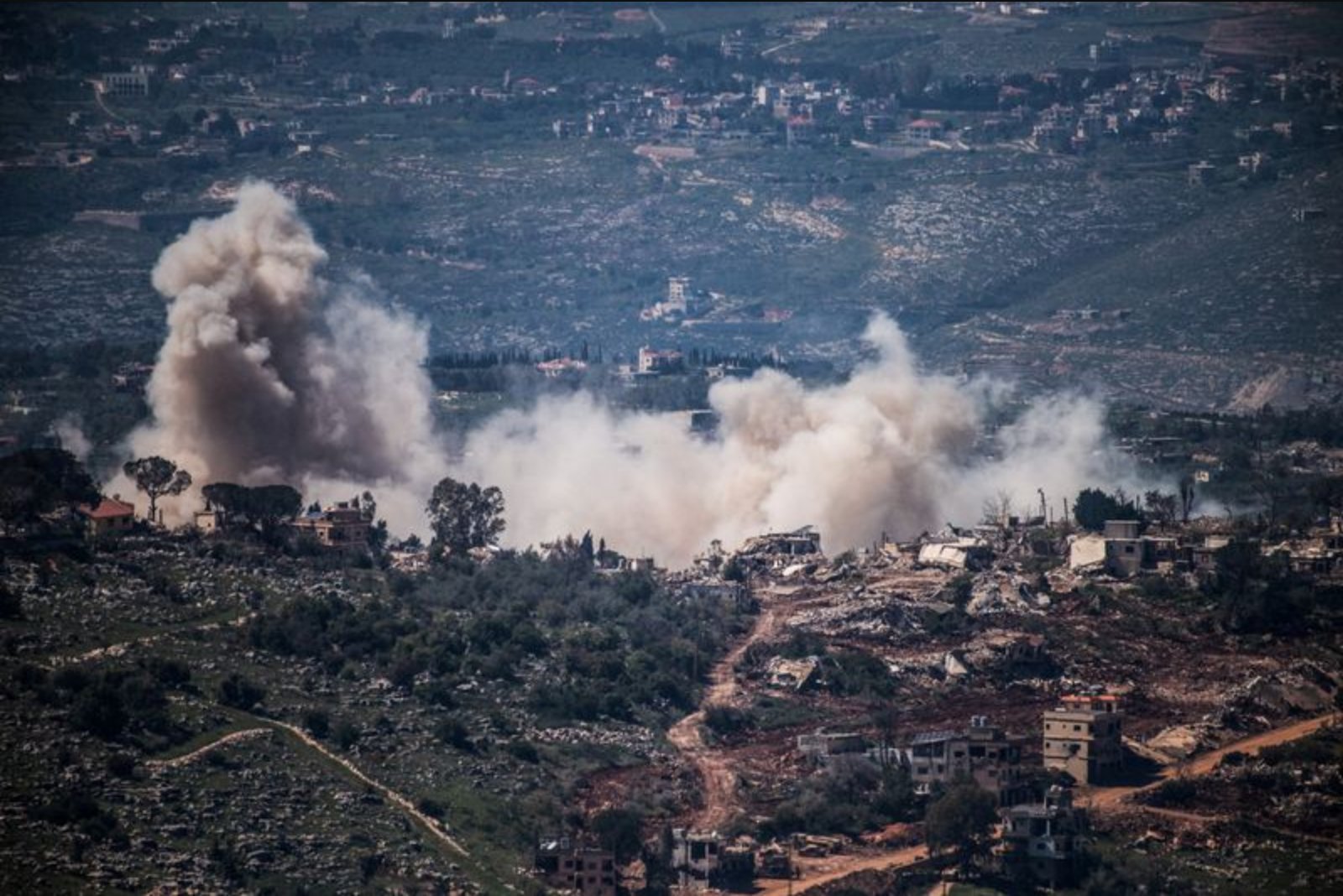
Lebanon’s Hezbollah dismissed the U.S.-facilitated extension of a ceasefire with Israel as "meaningless" a day after Washington announced the truce would be prolonged for three weeks, while fighting and military movements persisted in southern Lebanon.
U.S. President Donald Trump announced the three-week extension following meetings at the White House with the ambassadors of Israel and Lebanon. The original ceasefire between Lebanon and Israel had been set to expire on Sunday. Despite a marked reduction in the level of hostilities since the agreement took effect on April 16, exchanges of fire have continued along the border, where Israel maintains troops inside a self-declared "buffer zone".
Hezbollah, which is not a formal signatory to the truce and has objected to Lebanon's direct talks with Israel, criticized the extension in strong terms. Hezbollah lawmaker Ali Fayyad said it was "essential to point out that the ceasefire is meaningless in light of Israel’s insistence on hostile acts, including assassinations, shelling, and gunfire" and the demolition of villages and towns in the south. He added that "Every Israeli attack ... gives the resistance the right to a proportionate response."
Incidents reported on Friday underscored the fragility of the pause in large-scale fighting. Lebanon’s health ministry reported that an Israeli airstrike killed two people in the southern village of Touline. Separately, both Hezbollah and the Israeli military said the group had shot down an Israeli drone. Hezbollah identified the unmanned aircraft as a Hermes 450 and said it used a surface-to-air missile to bring it down.
Reuters reporters in Beirut also heard an Israeli drone circling over the city throughout the day on Friday. The Israeli military said it had intercepted a drone before it crossed into Israeli territory and that sirens were sounded in line with protocol.
In another development, the Israeli military issued a rare warning to residents of the southern town of Deir Aames to evacuate immediately, saying it planned to act against "Hezbollah activities" there. Deir Aames lies north of the area occupied by Israeli forces; the warning was the first of its kind since the ceasefire took effect on April 16. The military posted the alert on social media but did not provide details about the alleged activities.
The ceasefire agreement reached on April 16 does not obligate Israel to remove forces from the belt of southern Lebanon it seized during combat. That zone extends roughly 5 to 10 km (3 to 6 miles) into Lebanese territory, a presence Israel says is intended to protect northern Israeli communities from rocket fire by Hezbollah - which had launched hundreds of rockets during the earlier phase of the war.
Hostilities between Hezbollah and Israel reignited on March 2, when Hezbollah opened fire in support of Iran in the regional conflict. Since then, Lebanon’s health ministry says nearly 2,500 people have been killed in Lebanon. Israel reports that Hezbollah attacks killed two civilians in Israel after March 2 and that 15 Israeli soldiers have died in Lebanon since then.
The continued fighting has deepened frustration among Lebanese civilians who hoped the ceasefire would bring a full halt to violence. "What’s this? Is this called a ceasefire? Or is this mocking (people’s) intelligence?" asked Naem Saleh, a 73-year-old newsstand owner in Beirut, reflecting a wider sense of exasperation.
On the Israeli side, many residents in the north have returned to elements of daily life but remain pessimistic about whether the truce will hold. "I believe that the ceasefire is so fragile, and unfortunately it won’t stand long, in my opinion," said Eliad Eini, a resident of Nahariya, approximately 10 km (6 miles) from the Lebanon border.
On Wednesday prior to the extension, Israeli strikes killed at least five people in the south, including a journalist, highlighting the still-present risk of lethal incidents despite an overall decline in large-scale confrontations.
Diplomatic comments at the White House meetings reflected competing priorities. Israel’s Ambassador to Washington, Yechiel Leiter, said in opening remarks that "Lebanon should acknowledge the temporary presence of the IDF (Israel Defense Forces) and the right of Israel to defend itself from a hostile force that is firing on the population."
Lebanon’s Ambassador to the United States, Nada Moawad, provided a written statement calling for full respect for the ceasefire and saying it would create the necessary conditions for meaningful negotiations. Lebanon has said it intends to seek the full withdrawal of Israeli troops from its territory as part of broader talks with Israel at a later stage.
President Trump said he looked forward to hosting Israeli Prime Minister Benjamin Netanyahu and Lebanese President Joseph Aoun in the near future and expressed optimism that there was "a great chance" the two countries could reach a peace agreement this year.
For now, the situation remains tenuous. The continuing presence of Israeli forces within the belt of southern Lebanon, repeated warnings and intercepted drones, the downing of an unmanned aircraft, and recent deadly strikes all underline unresolved tensions. Those developments have left residents on both sides skeptical about whether the extension of the truce will translate into a lasting cessation of hostilities.
As events unfold, the central facts remain: the ceasefire has been extended for another three weeks by agreement between the governments of Lebanon and Israel, Hezbollah has declared the extension meaningless in light of ongoing Israeli actions, and deadly incidents and military warnings continue to occur along and beyond the border area.