
European wholesale natural gas markets continued to weaken on Tuesday, with front-month contracts sliding by roughly 3% to reach their lowest quotations in over a week. The Dutch TTF contract, the benchmark for the continent, fell about 3% by mid-morning. Britain’s comparable wholesale gas contract echoed the move, also declining around 3% as selling pressure persisted across regional trading desks for a second consecutive session.
The drop in regional gas futures unfolded alongside a broad retreat in global oil markets. Brent crude slipped to its lowest level in over a week, and the softer oil backdrop contributed to downward momentum in energy prices more generally.
Market participants pointed to comments from U.S. President Donald Trump as a key catalyst for the diminished geopolitical risk premium. Trump said Washington was engaged in "good talks" with Iran and indicated there was a tangible chance for a diplomatic resolution to recent military frictions in the Middle East. At the same time, he warned that U.S. military strikes would resume if negotiations failed to produce a concrete agreement, a caveat that appeared to cap the extent of the sell-off by keeping a floor under deeper downside moves in energy commodities.
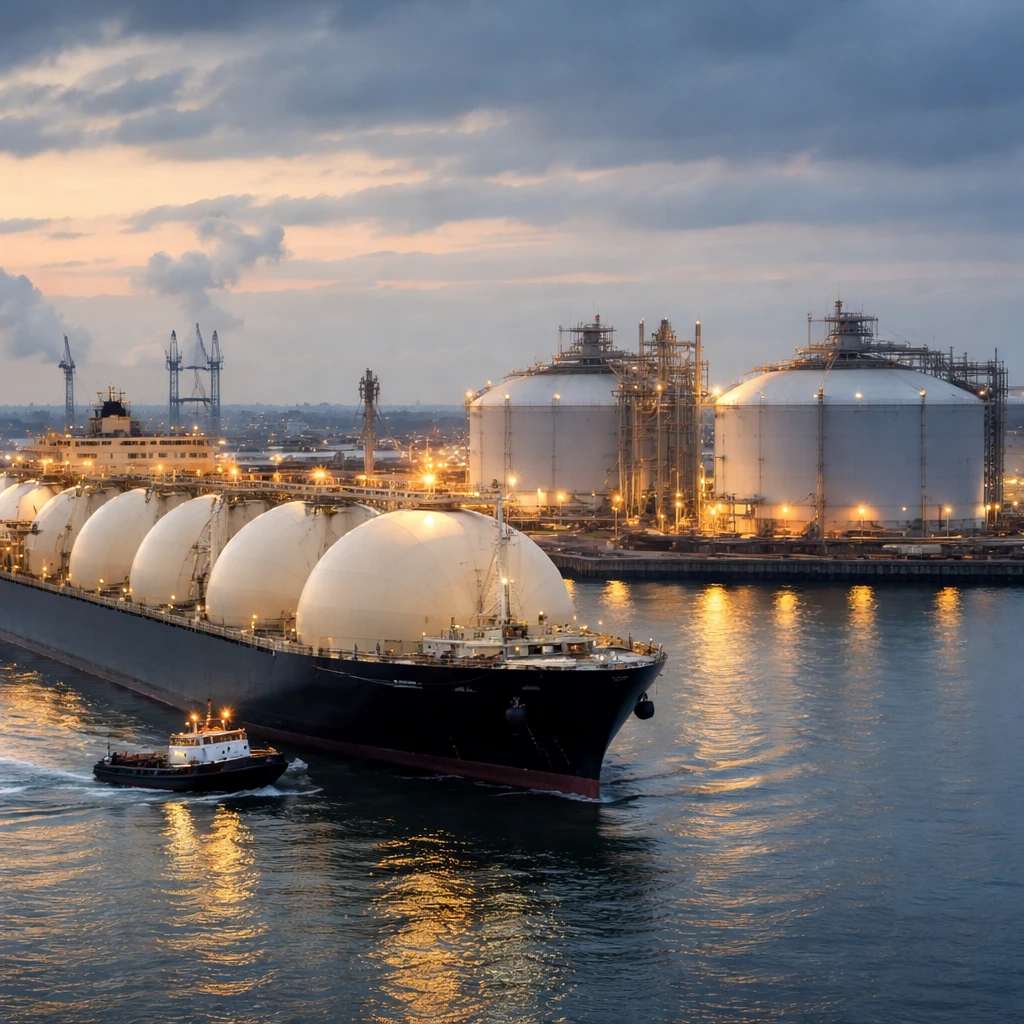
The prospect of a diplomatic breakthrough has, at least temporarily, reduced acute anxiety about the security of sea lanes such as the Strait of Hormuz and the Red Sea and the potential for severe delays to liquefied natural gas - LNG - tankers en route to European import terminals. That easing of route disruption fears helped relieve some of the premium previously built into prices for the risk of interrupted supply.
Still, European supply fundamentals remain a constraint on downside price moves. Underground gas storage in the bloc was reported at roughly 54% full, a level that market participants described as well below seasonal norms. Major suppliers, including Norway’s Equinor, have warned that Europe faces a steep challenge to reach its pre-winter refill targets, a reminder that physical supply tightness could reassert upward pressure if conditions change.
For now, the pullback in both natural gas and oil provides some relief for European firms and household energy bills, which in turn can help to ease broader inflationary pressures. That effect is particularly salient as major central banks prepare to deliver key interest rate decisions later this week, a series of policy moves that investors are watching closely for guidance on the inflation outlook and the economic response to changing energy costs.
Market context - Gas and oil prices moved lower in tandem, with geopolitical commentary reducing immediate risk premia. Storage deficits remain a significant factor for future price direction.
Outlook considerations - Continued diplomatic progress would likely sustain lower risk premia, while a breakdown in talks or renewed military activity could reverse the recent declines. Storage refill progress and tanker movements will be key metrics for markets in the coming weeks.