
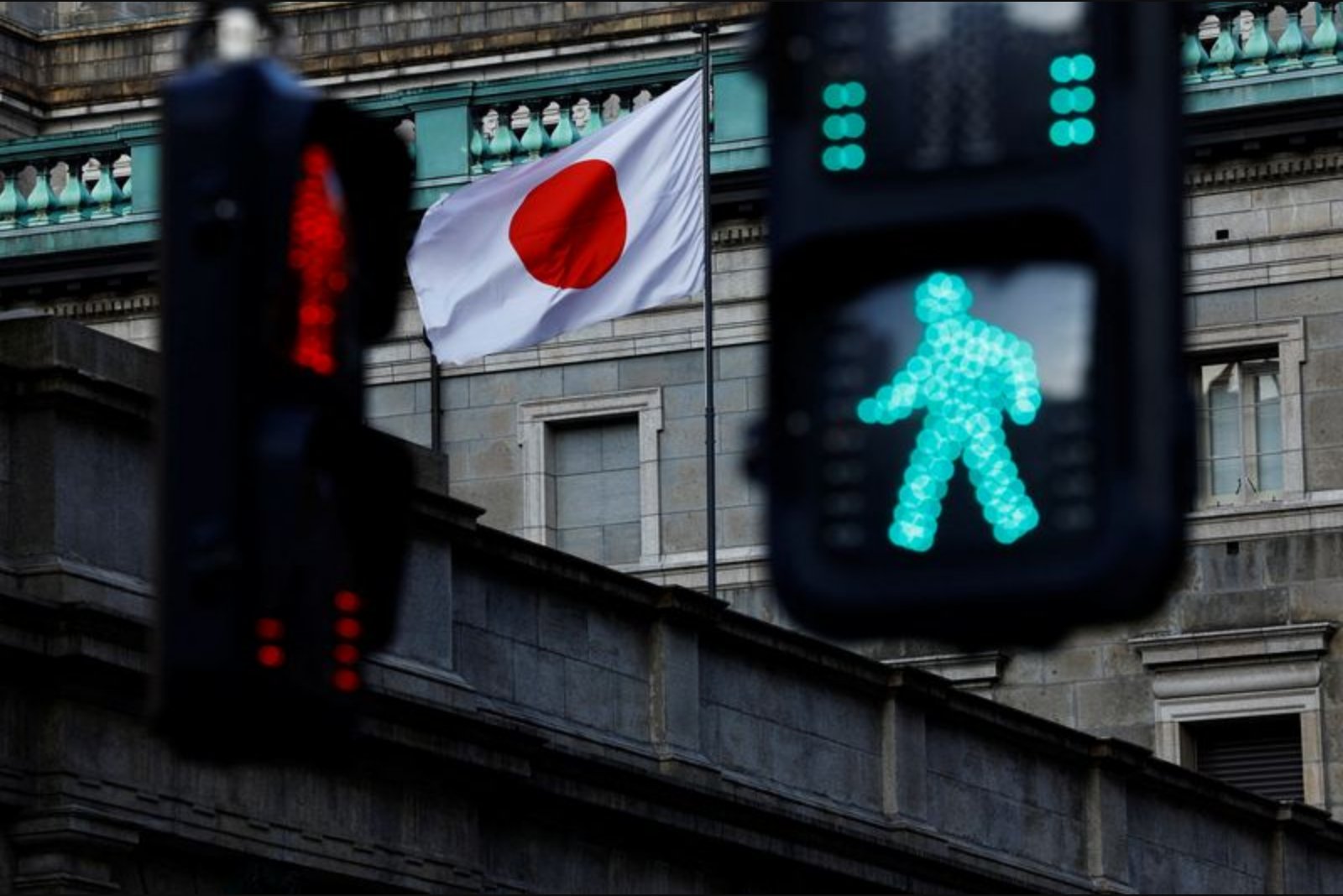
In a busy week for monetary policy, the Bank of Japan’s decision to leave its short-term policy rate at 0.75% - combined with a dissent by three of the nine board members who preferred a hike - has altered the immediate policy calculus for other major central banks. The split vote was interpreted as a signal of concern among some BOJ policymakers about rising price pressures coinciding with escalation in the Middle East.
The BOJ outcome produced a modest appreciation in the Japanese yen, which traded at 159.02 per U.S. dollar following the announcement. That level remains precariously close to the 160 threshold that has historically prompted Tokyo to consider market intervention. The currency has been anchored around 159 since mid-March, and while the BOJ’s recent stance may provide short-term support, market participants expect only limited sustained strengthening. As a result, the so-called carry trade - where investors borrow in a low-yielding currency such as the yen to fund higher-yielding assets - is likely to persist in the near term.
Geopolitical factors are reinforcing price pressures in commodity markets. The United States is reviewing a proposal from Tehran intended to help resolve the conflict in the Middle East, but a U.S. official indicated that President Donald Trump was dissatisfied because the plan did not address Iran’s nuclear programme. That lack of resolution keeps uncertainty elevated around the two-month-long conflict and is a key factor supporting crude oil prices, with Brent crude futures trading at about $109 per barrel - well above pre-conflict levels.
Investor focus this week is split between corporate results and central bank communication. Major technology companies are reporting earnings, and markets are also tracking scheduled decisions from the Federal Reserve, the Bank of England and the European Central Bank. All three institutions are widely expected to keep policy rates unchanged at their upcoming meetings, but observers will be closely parsing officials’ commentary on inflation and growth for indications of future policy direction.
Other scheduled data and corporate reports that could move markets on Tuesday include French unemployment figures for March and quarterly earnings from a group of large companies: Novartis, Barclays, BP and Airbus. These releases add to a packed calendar that combines macro policy events with high-profile corporate news.
Context and market implications
- The BOJ’s split vote highlights internal concern over inflationary pressures linked to geopolitical developments.
- The yen’s proximity to 160 per dollar keeps the potential for currency intervention on markets’ radar, even as the carry trade remains a dominant force.
- Sustained oil strength, with Brent near $109, reflects the market’s sensitivity to uncertainty surrounding the ongoing Middle East conflict and diplomatic developments.