
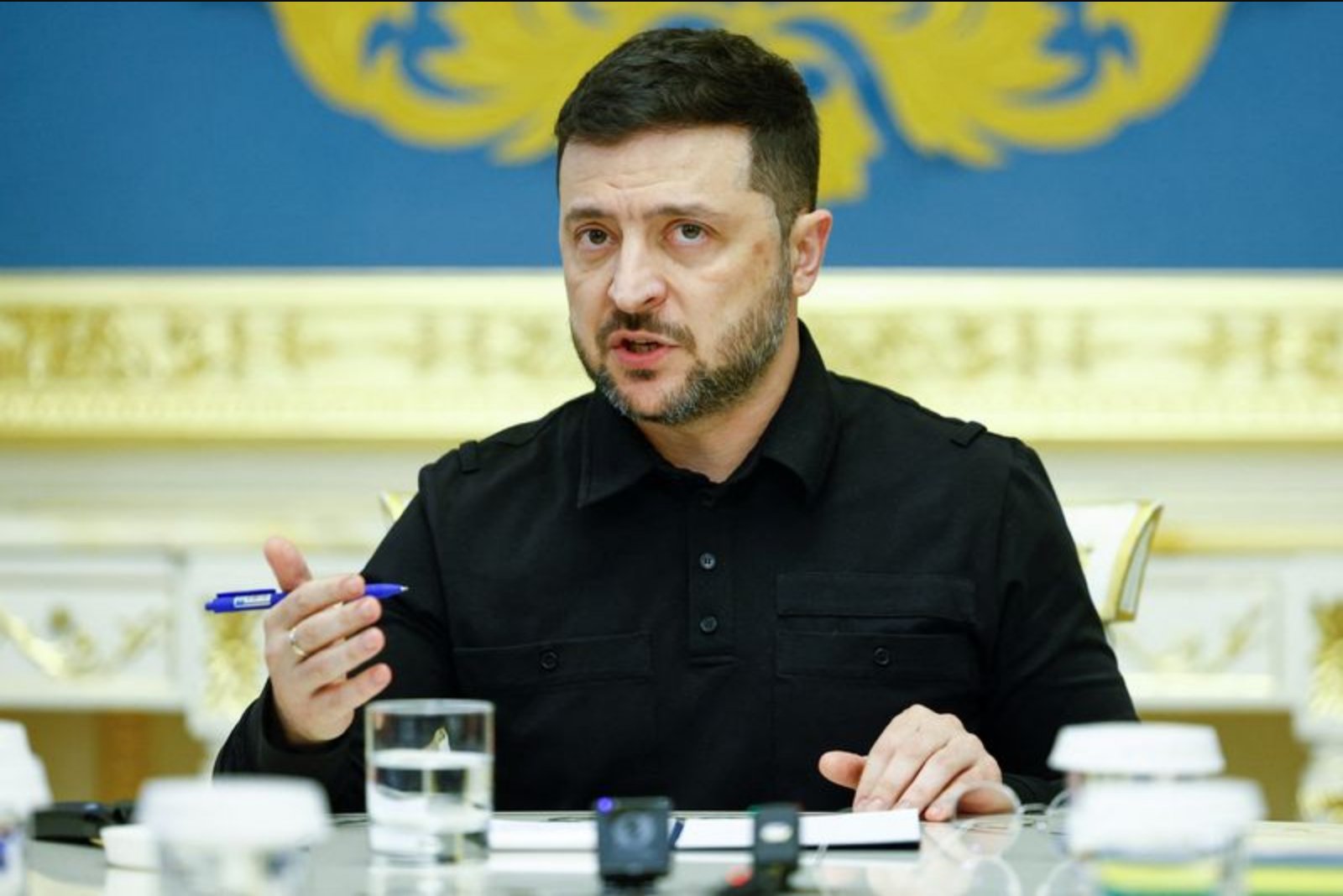
Ukrainian President Volodymyr Zelenskiy intends to set out a plan for both presidential elections and a referendum on February 24, according to a Financial Times report that cites Ukrainian and European officials directly involved in the planning process.
That report follows a Reuters account last week describing a framework under discussion between U.S. and Ukrainian negotiators. Under that framework, any peace deal with Russia would be submitted to a nationwide referendum, and Ukrainian voters would cast ballots on that measure at the same time they choose national leaders.
Officials have discussed various timetables in those talks, including the possibility that the national election and the referendum could be scheduled for May. The Financial Times report, citing Ukrainian and Western officials familiar with the matter, also states that Ukraine has begun concrete preparations to hold presidential elections concurrently with a referendum on a potential peace agreement with Russia.
The information available in these reports focuses on planning and discussion among officials rather than on finalized decisions. The February 24 announcement referenced by the Financial Times is presented as an intention by the president to disclose the plan, while earlier reporting described a negotiating framework and possible timing options under consideration.
Details released so far reflect the negotiation stage of the process: the idea that any peace deal would be placed before voters by referendum, and that both the referendum and national elections could be combined on the ballot. Officials cited in the reporting described both the planning activity and the exploratory timetables, but did not present confirmed dates beyond the proposed February 24 announcement or a final decision on whether votes would take place in May.
As laid out in the reports, the sequence of announcements and negotiations remains subject to change. The coverage indicates that Ukrainian authorities and their international interlocutors are actively discussing how to synchronize electoral processes with the outcome of diplomatic negotiations, while the precise schedule and formal decisions are still in development.