
KYIV, March 2 - A U.S.-brokered round of negotiations between Kyiv and Moscow planned for this week has not been cancelled despite recent weekend strikes on Iran carried out by the United States and Israel, Ukrainian President Volodymyr Zelenskiy said on Monday.
Zelenskiy told reporters in a briefing on WhatsApp that Ukraine is considering moving the talks from the original venue. The sessions had been scheduled for March 5 and 6 in Abu Dhabi; Turkey and Switzerland were being weighed as alternative locations.
"Due to the ongoing hostilities, we cannot confirm that the meeting will take place in Abu Dhabi but, nevertheless, no-one has cancelled the meeting," he said.
Kremlin spokesman Dmitry Peskov said on Monday that it remained in Russia's interests to continue peace negotiations with Ukraine and that Moscow still preferred to reach a diplomatic settlement to bring an end to the four-year war.
U.S. President Donald Trump has been urging both Kyiv and Moscow to find a path to end the conflict. Nonetheless, after multiple rounds of talks, Ukraine and Russia remain distant in their positions.
Positions and security concerns
Zelenskiy reiterated his rejection of Moscow's demand that Ukraine withdraw from the roughly 20% of the eastern Donetsk region that Russian forces have not yet captured. He said Ukraine's stance had been strengthened by surviving the critical cold winter months and by its resilience in the face of sustained Russian drone and missile strikes targeting energy infrastructure.
The president also addressed the impact of heightened fighting in the Middle East on Kyiv's equipment flows. He said hostilities there had, to date, had no effect on weapons deliveries from Ukraine's allies, but warned of potential consequences if the conflict became protracted: "But, of course, we understand that a long war - if it is to be long - and the intensity of the fighting will affect the amount of air defence equipment we receive."
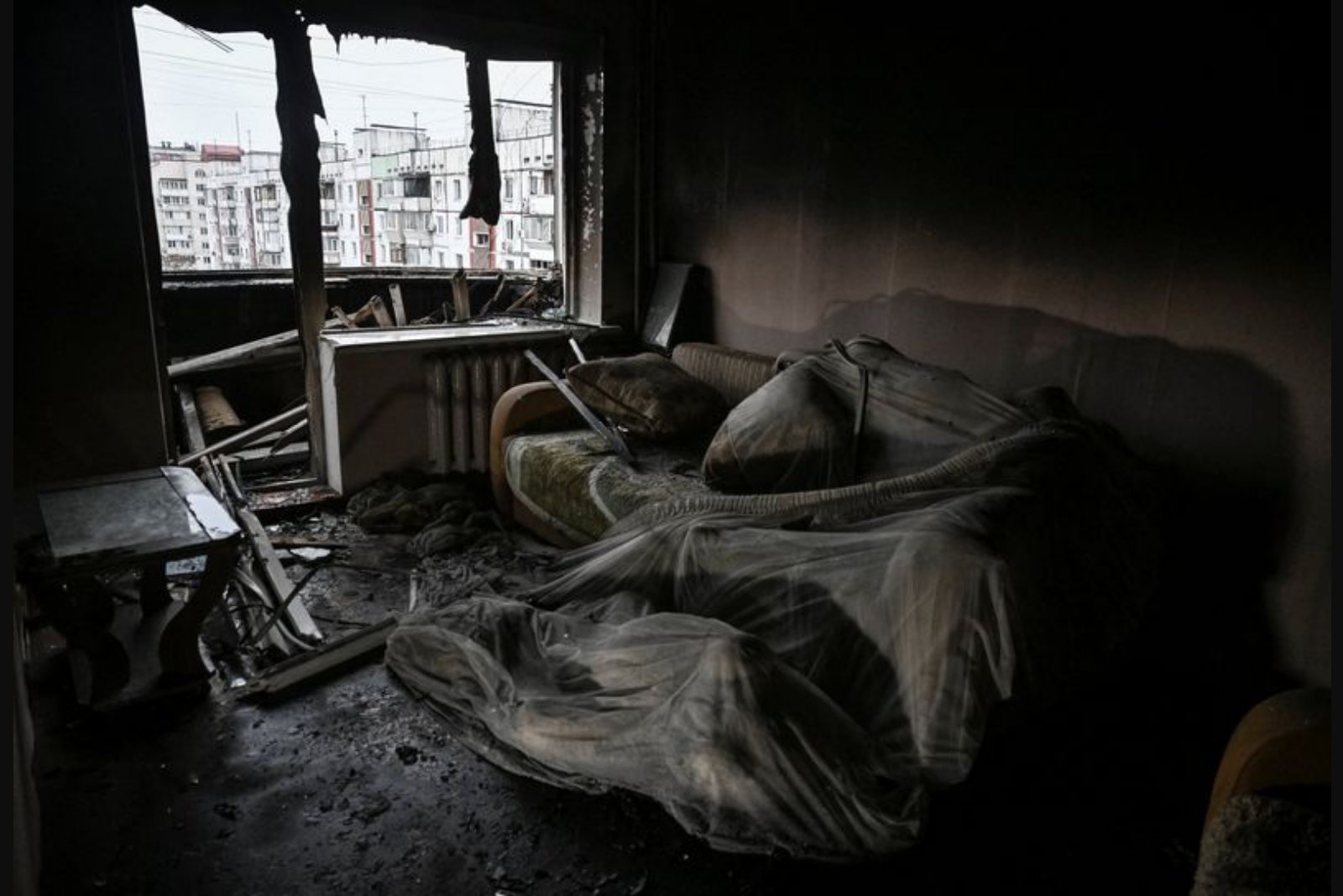
Zelenskiy said Russian forces were preparing a new wave of attacks aimed at infrastructure, logistics and water supplies. He identified securing adequate deliveries of air defence weaponry as a primary challenge facing Kyiv. The president added that Ukraine was prepared to share its experience in air defence, but that it had received no direct requests from Britain or other partners for such assistance so far.
Key takeaways
- U.S.-brokered talks scheduled for March 5-6 have not been cancelled despite weekend strikes on Iran, though the location may change from Abu Dhabi to Turkey or Switzerland.
- Both Kremlin and Kyiv publicly state a preference for continuing diplomatic engagement - Moscow through Peskov's comments and Kyiv via Zelenskiy - even as substantive differences persist.
- Security of energy and infrastructure, and the supply of air defence systems, remain central practical concerns shaping Ukraine's negotiating position and defense planning.
Contextual implications for markets and sectors
- Energy sector: Ongoing strikes and threats to energy infrastructure could heighten volatility in regional energy markets and influence investment and repair needs.
- Defence and aerospace: Demand for air defence systems remains a pressing operational requirement for Ukraine and a focal point in allied assistance discussions.
- Logistics and utilities: Potential new waves of attacks on logistics and water supplies underscore risks for sectors involved in critical infrastructure and reconstruction.
Reporting limitations
Details remain limited on whether alternative venues will be finalized and on any changes to the agenda for the talks. Zelenskiy's remarks reflect Ukraine's current stance and assessments; statements from other participants and the final arrangements for the meeting have not been published in full.