
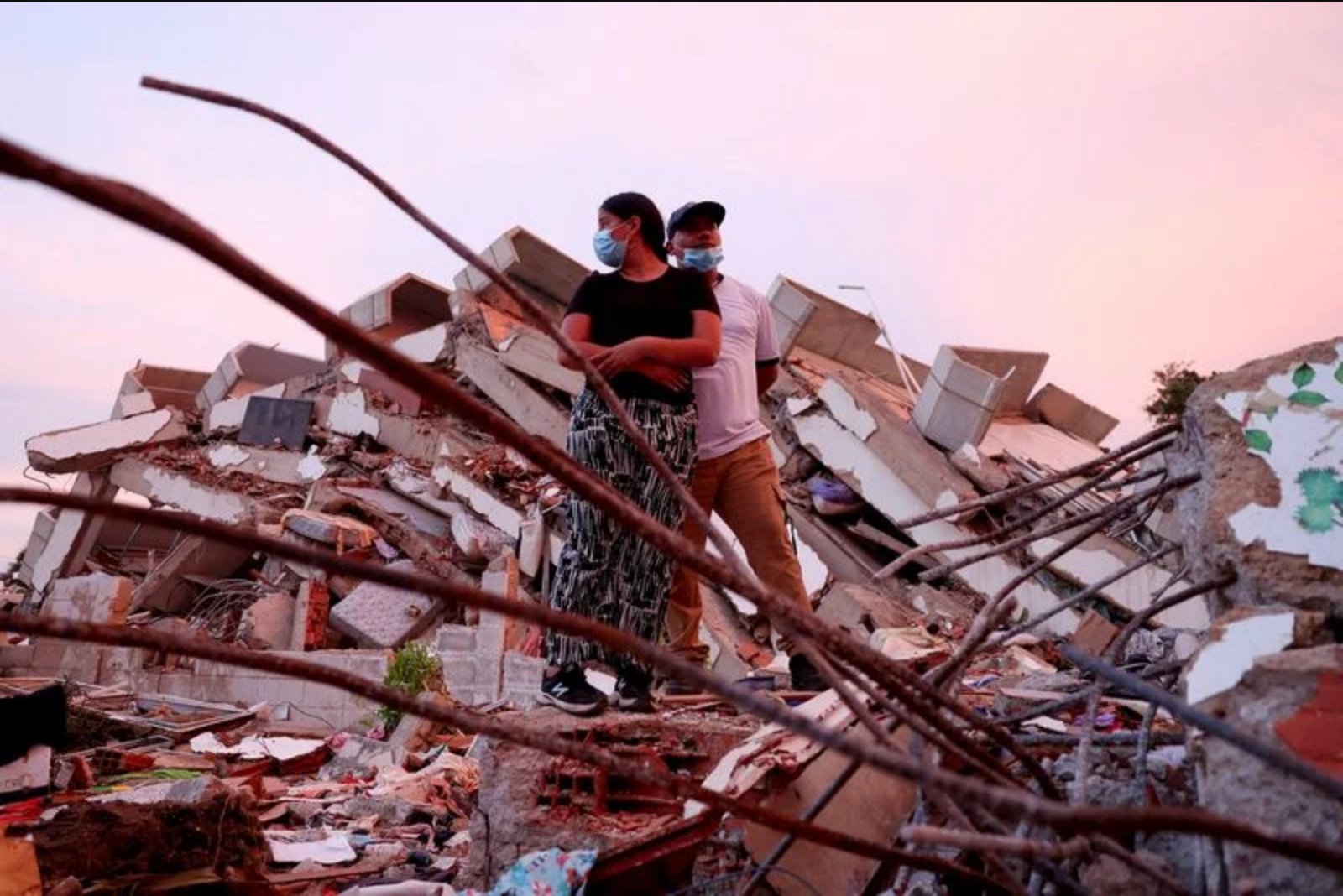
In a repurposed classroom at the ‘Republic of Panama’ school in La Guaira, radios cut through the morning air while medical staff checked in for their assigned shifts. The room functions like a small operations center - but its leaders are between 20 and 27 years old, not senior officials. Their responsibility is the daily administration of a makeshift shelter for victims of the twin earthquakes that struck the country less than a minute apart, registering people, coordinating services and keeping a 24-hour presence.
The quakes, measured at magnitudes 7.2 and 7.5, devastated communities and, according to the most recent official tallies, have killed more than 2,200 people. Government figures published later placed the death toll at 2,295. An unofficial but widely used list of missing persons stands at 40,567, and a United Nations envoy stated that 10,000 body bags were being procured for Venezuela, indicating the possibility of a rising death toll.
At this shelter, the core team of around a dozen volunteers are all members of the youth wing of Venezuela’s socialist party. They designed a registration system to log the more than 350 people currently staying at the school - a population that has, on average, three families occupying each classroom. The database records previous addresses, injuries and whether individuals have taken meals in the cafeteria. The volunteers also sleep on the same metal bunk beds that were delivered by the commerce ministry and rotate around-the-clock shifts to staff the command center.
"We’re like the Titanic. We go down with the ship," said Daniel Rivas, 25, as colleagues scanned the registry to locate a person being sought by a relative standing at the school gate. The shelter offers showers, a medical center, a laundromat and a cafeteria. Children occupy stairwells and the basketball court, playing amid the converted school space. Local shelter staff noted that each of the nine shelters in La Guaira is run by a different team.
"People are 50% very sensitive and 50% full of rage, lost," said Jose Mendez, a member of the campus team. "They are angry about not finding their family members, about losing everything. But we’re ready to help." The volunteers themselves are largely homeless following the seismic events, mirroring the residents they assist.
Those at the school are awaiting two critical visits: one from the registration authority, which would provide replacements for lost government identification documents, and another from the housing ministry to clarify pathways to assistance for people whose homes were destroyed. Without official identification or clear housing guidance, residents face a bottleneck in accessing government-administered aid.
Shelter residents voiced a range of emotions. Deisy Tapias, 36, who was staying with two of her five children, said she still felt the quake within her and that she longed to return home. Her apartment down the coast was nearly destroyed, though her 17-year-old son managed to retrieve the family identity cards and a tank of cooking gas from the wreckage. Tapias said she would consider moving out of state if that were the means to replace her home.
Her mother, Deisy Bermudez, 55, who arrived carrying clothing and food, said she dislikes shelters. Bermudez lost her house in the 1999 landslide in La Guaira and said she missed out on government housing that was later constructed for victims of that earlier disaster. "I can’t stand shelters," she said.
As they spoke, an army transport truck pulled up outside the school. Soldiers helped eight new families, each carrying sparse bags of possessions, into the shelter where they were welcomed by the volunteer team. Shelter staff said many of those newly arriving had been living among ruins and were still searching for loved ones trapped beneath debris.
Residents and aid organizations have criticized the government of interim President Delcy Rodriguez for a response they describe as slow and insufficient relative to the scale of need. The International Rescue Committee said that the scale of the response does not meet the scale of humanitarian need. Rodriguez posted on social media that authorities continued to assist those affected while supervising recovery efforts and acknowledged the shared pain and frustration felt by many Venezuelans.
The situation in La Guaira illustrates an uneven emergency response in which young volunteers are shouldering front-line logistical work while thousands remain dead or missing and many more are displaced. With replacements for identity documents and official housing plans still pending, the immediate priorities inside the shelters are registration, maintaining basic services and trying to keep families together as they wait for clearer guidance from authorities.
Summary
A disused school in La Guaira has become a central shelter and command post for survivors of two powerful earthquakes. Volunteer teams in their 20s manage registrations, daily operations and services for more than 350 residents, while thousands elsewhere are dead, missing or displaced, and authorities have yet to deliver full registration and housing assistance.
Key points
- The shelter at the Republic of Panama school is staffed by a volunteer team aged 20-27 who register and support more than 350 residents; services include showers, medical care, a laundromat and a cafeteria - sectors impacted: humanitarian services, housing and social services.
- The earthquakes measured 7.2 and 7.5 in magnitude and have killed more than 2,200 people according to initial tallies, with government figures later reporting 2,295 deaths; an unofficial list identifies 40,567 missing persons - sectors impacted: public safety, emergency response and healthcare.
- Critical administrative steps remain pending, including the issuance of replacement identification and clarification on housing aid for the displaced - sectors impacted: civil administration, housing markets and public-sector logistics.
Risks and uncertainties
- Potential for a rising death toll and prolonged humanitarian need, underscored by the UN procurement of 10,000 body bags - impacts healthcare, emergency services and funeral industries.
- Delays in restoring government identification and delivering housing support could impede access to aid and prolong displacement - impacts civil administration, housing assistance programs and construction recovery efforts.
- Public frustration with the speed and scale of the state response may heighten social tension among affected communities - impacts social services and local governance.