
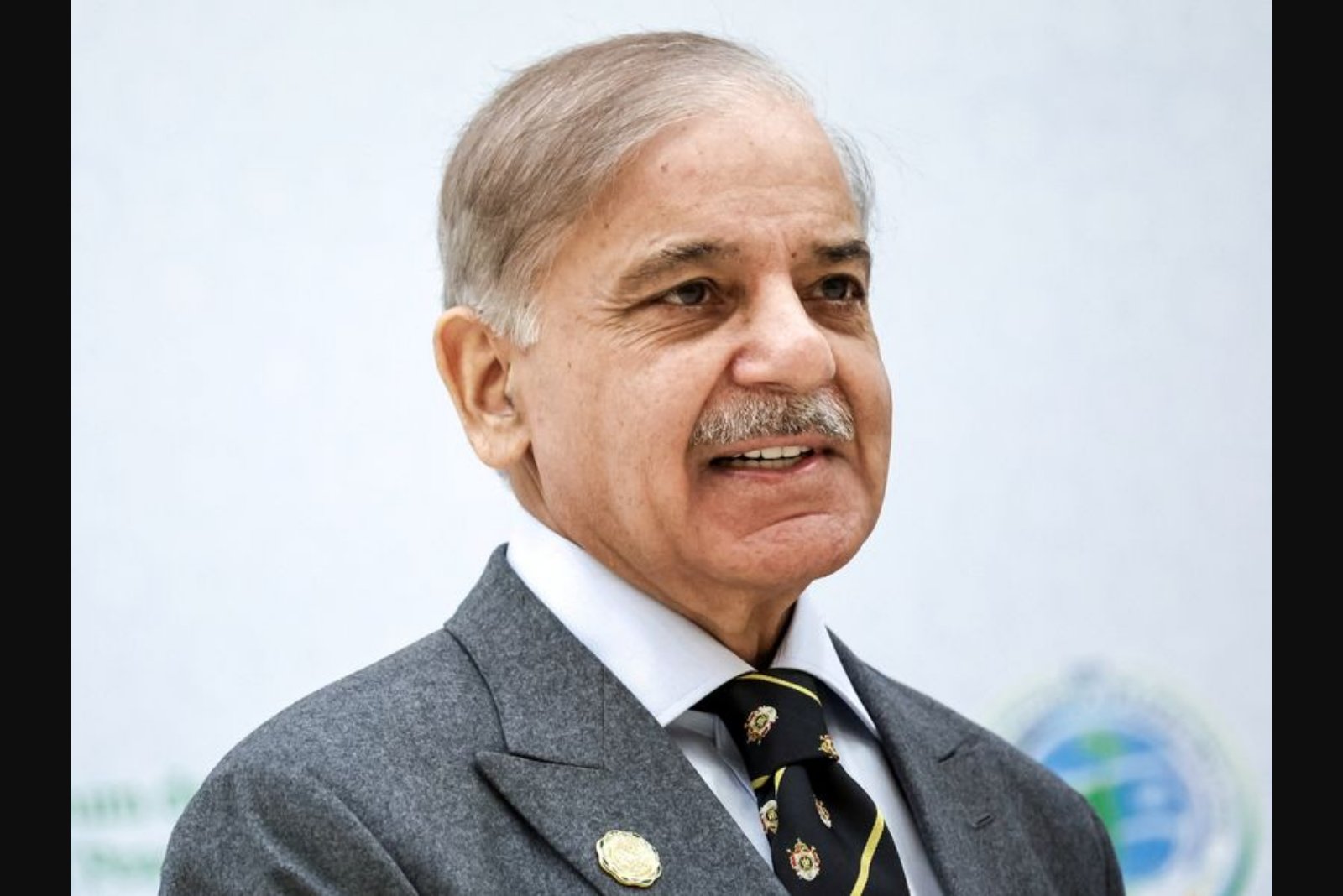
President Xi Jinping described China and Pakistan as having an "unbreakable" friendship when he received Prime Minister Shehbaz Sharif in Beijing on Monday, using the encounter to press for a deepening of their so-called "all-weather" partnership.
At the Great Hall of the People, Xi referred to Sharif as an "old friend" and said the two countries had long "understood, trusted and supported each other," comments carried by Chinese state media. Pakistan is one of a small group of countries Beijing designates as an "all-weather strategic partner," reflecting close cooperation that spans economic, trade and security areas.
Chinese state broadcaster CCTV reported Xi's call to expand collaboration in a range of fields, including agriculture, industry, artificial intelligence and the cultivation of talent. CCTV also cited Xi as saying China is prepared to work with Pakistan to build a closer-knit China-Pakistan community with a shared future, noting an emphasis on maintaining frequent high-level contacts and strengthening strategic channels of communication.
Sharif reciprocated by framing the bilateral relationship as that between "iron brother" countries, saying the ties were "next to none." He was accompanied by Pakistan's army chief, General Asim Munir, who had recently travelled to Tehran for talks with Iranian leaders.
CCTV quoted Xi as appreciating Pakistan's recent diplomatic engagement in the Iran situation. After a fragile ceasefire in the Iran conflict that was reached in April, Pakistan convened mediation discussions between Washington and Tehran, relaying proposals and messages between the two sides. Washington has since reported progress in its talks with Tehran.
"I know that you have just returned from Iran and made positive efforts for the current peace. We still appreciate the constructive role played by Pakistan," Xi was reported as saying. CCTV also quoted Xi urging broader and higher-level security cooperation between the two countries to contribute to regional peace and stability, although he did not cite a specific conflict in making that point.
Despite the emphasis on solidarity, the relationship has faced strains. Islamist militant attacks targeting Chinese nationals and projects in southwest Pakistan - where China has significant infrastructure investments - have provoked concern in Beijing. Separately, Islamabad's warming of ties with Washington has added complexity to the bilateral dynamic.
In March, when the two countries' foreign ministers met in Beijing, China and Pakistan jointly put forward an initiative calling for peace talks and a restoration of normal navigation through the Strait of Hormuz, a maritime corridor that was referenced in CCTV's coverage of the more recent meetings. The statements underscore the diplomatic and security dimensions Beijing and Islamabad are pressing together, even as specific challenges persist.
Key facts:
- Xi hosted Pakistan's prime minister in Beijing and called for deeper cooperation across economic and security sectors.
- Pakistan's mediation efforts between Washington and Tehran following an April ceasefire were acknowledged by Xi.
- Security concerns remain over militant attacks in southwest Pakistan affecting Chinese projects.