
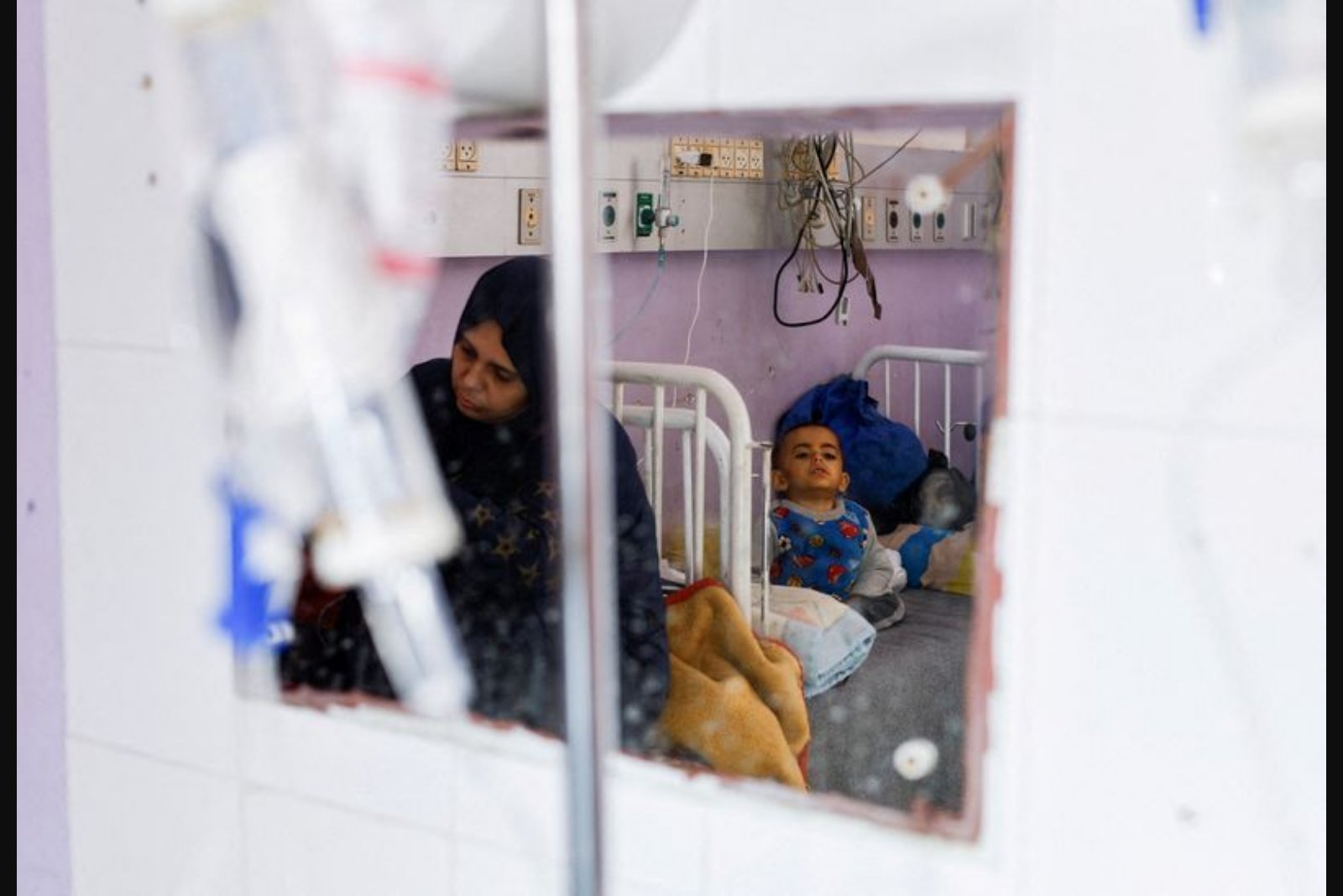
The World Health Organization said on Friday that Gaza is facing dangerously low medical inventories even after Israel reopened a key crossing earlier this week. According to WHO regional director Hanan Balkhy, some basic items such as gauze and needles have already been exhausted, based on information from the Gaza Health Ministry.
"Stocks of essential medicines, trauma supplies and surgical consumables are critically low, and fuel shortages continue to limit hospital operations," Balkhy said, adding: "The situation is difficult, and we will be running out of whatever is remaining." These comments reflect the severe strain on health services in Gaza following two years of conflict between Israel and Hamas.
On Tuesday, the Israeli military agency that manages access to Gaza announced it had reopened the Kerem Shalom border crossing "for the gradual entry of humanitarian aid". That opening followed a temporary closure of entry points, actions that Israeli authorities attributed to missile threats from Iran amid an escalation of air operations after Israeli and U.S. strikes on Iran on Saturday.
Despite the partial reopening, WHO said the Rafah crossing into Egypt - the principal exit route for most Gaza residents - remains closed. As a result, medical evacuations have been suspended. The United Nations agency reports that roughly 18,000 people, including injured children and individuals with chronic conditions, are waiting for evacuation.
Balkhy reported that some medical supplies and fuel were brought in on Tuesday and Wednesday, but that many transport trucks are still stationary in al-Arish, Egypt. "We’re talking about … maximum 200 out of 600 daily trucks that need to go in are going in so that is really not enough to support the needs in Gaza," she said, underlining the mismatch between humanitarian requirements and current throughput.
The WHO representative urged that additional fuel be permitted to enter Gaza to ensure hospitals can continue functioning. Half of Gaza’s 36 hospitals remain closed following a shaky ceasefire last October, and facilities that are open are having great difficulty maintaining essential services such as surgery, dialysis and intensive care.
Key facts in brief:
- Some supplies, including gauze and needles, have already run out.
- Kerem Shalom has been reopened for gradual humanitarian shipments, but Rafah is closed and evacuations are suspended.
- Only about 200 of the 600 daily trucks needed are entering, and roughly 18,000 people await evacuation.