
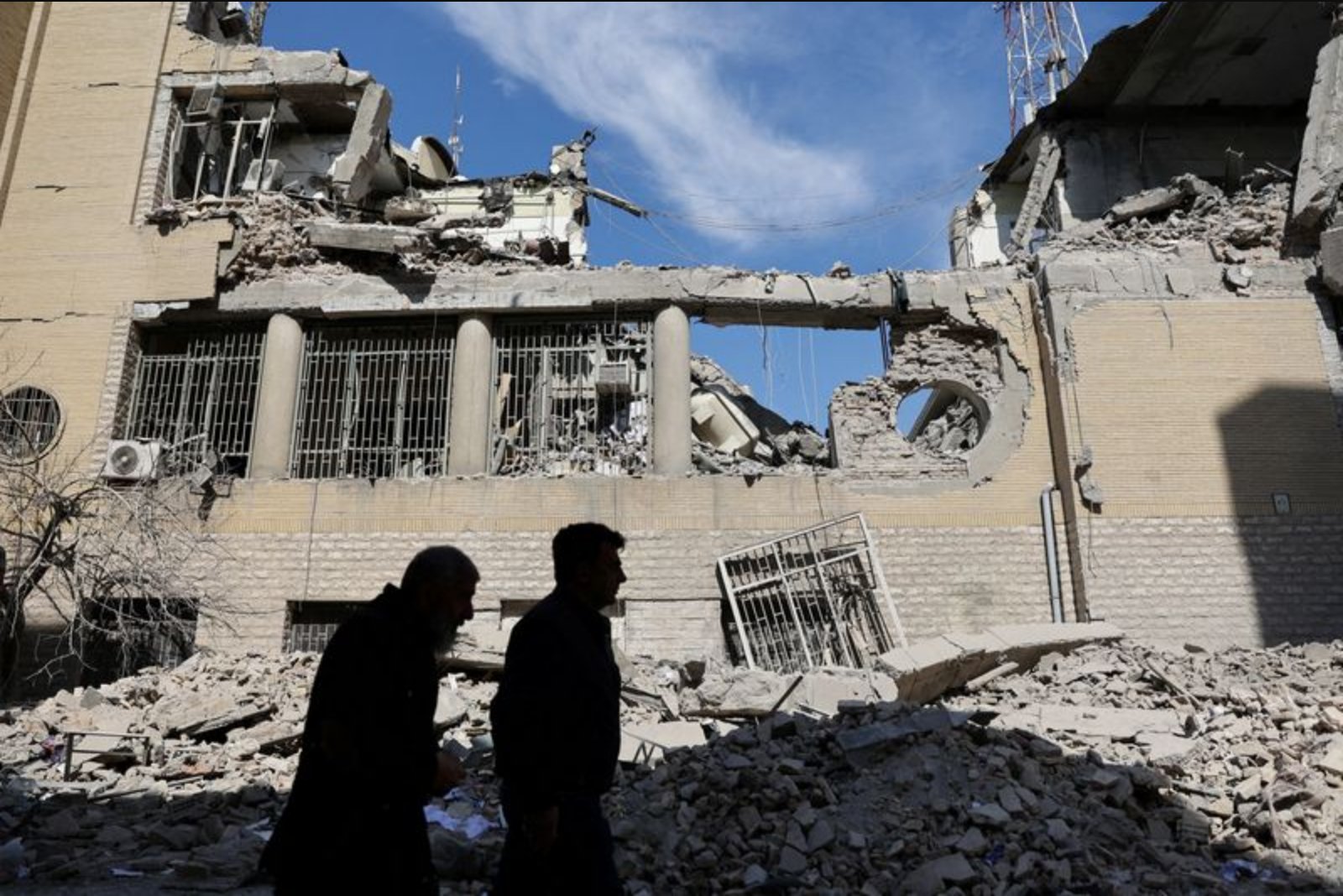
Washington officials say President Trump is in active discussions with his national security advisors over what role the United States could take in Iran following the conclusion of the ongoing military operation. At the same time, U.S. intelligence agencies are reportedly examining accounts that Mojtaba Khamenei, the son of Iran’s slain supreme leader, has emerged as a leading candidate to succeed him.
Addressing reporters, White House press secretary Karoline Leavitt noted the administration has seen the media reports and said intelligence agencies are looking into them. "We’ve seen those reports as well, of course, and this is something that our intelligence agencies in looking at. We The truth is, we’ll have to wait and see," she said, indicating a watchful but cautious posture toward claims about Iran’s internal succession dynamics.
Leavitt said the president is "actively considering and discussing with his national security team what role Washington may have in Iran’s future once the operation is over" while stressing that the immediate priority remains the success of the current military action. Her comments framed planning for a post-operation stance as a parallel process to operational objectives.
Leavitt also defended the U.S. objectives in the joint Israeli-U.S. air campaign against Iran in the face of criticism that the administration has not produced publicly verifiable evidence of an imminent direct threat to the United States from Tehran. She reiterated the administration’s rationale for the strikes, arguing they were based on a cumulative assessment of threats.
"This decision to launch this operation is based on a cumulative effect of various direct threats that Iran posed to the United States of America," Leavitt said. "Again, this is a rogue terrorist regime that has been threatening the United States, our allies and our people for 47 years and the American people are smart enough to know that," Leavitt said.
President Trump has rejected suggestions that Israel pressured the United States into open conflict, even as his administration has offered varying accounts of events and drawn criticism from some supporters and Democrats who have labeled the campaign a "war of choice." The administration’s internal messaging and external briefings have prompted debate about motive and decision-making.
Domestic reaction is divided. A recent poll indicated that only one in four Americans approves of the U.S. strikes on Iran, strikes that the poll report said have plunged the Middle East into chaos. The same survey found that roughly half of respondents feel the president is too willing to use military force, including one in four Republicans.
As the administration continues to monitor developments inside Iran and shape policy options for a post-operation environment, officials publicly emphasize operational success while remaining evasive about firm predictions regarding Iran’s leadership succession. For now, Washington appears to be balancing immediate military aims with contingency planning in the event of significant political shifts in Tehran.