
World March 4, 2026

White House Says Spain Has Agreed to Cooperate with U.S. Military After Trade Threat

Press secretary Karoline Leavitt says Madrid 'heard the president's message' following President Trump's warning over use of jointly operated bases

By Avery Klein
White House Says Spain Has Agreed to Cooperate with U.S. Military After Trade Threat

The White House announced that Spain has agreed to cooperate with U.S. military forces, a development reported a day after President Donald Trump warned of possible trade penalties tied to Madrid's refusal to permit U.S. aircraft to use jointly operated bases in southern Spain for an offensive against Tehran. Spanish officials have publicly condemned the U.S. and Israeli strikes on Iran and maintained an anti-war stance.

Key Points

  • White House Press Secretary Karoline Leavitt said Spain has agreed to cooperate with the U.S. military following a presidential warning - sectors impacted include defense and military logistics.
  • President Trump had floated imposing a trade embargo on Madrid after Spain refused to allow U.S. aircraft to use jointly operated naval and air bases in southern Spain for an offensive against Tehran - sectors impacted include trade and international commerce.
  • Spanish leadership has publicly condemned the strikes on Iran and reiterated an anti-war stance, with senior officials stressing national sovereignty - this stance intersects with diplomatic relations and defense cooperation.

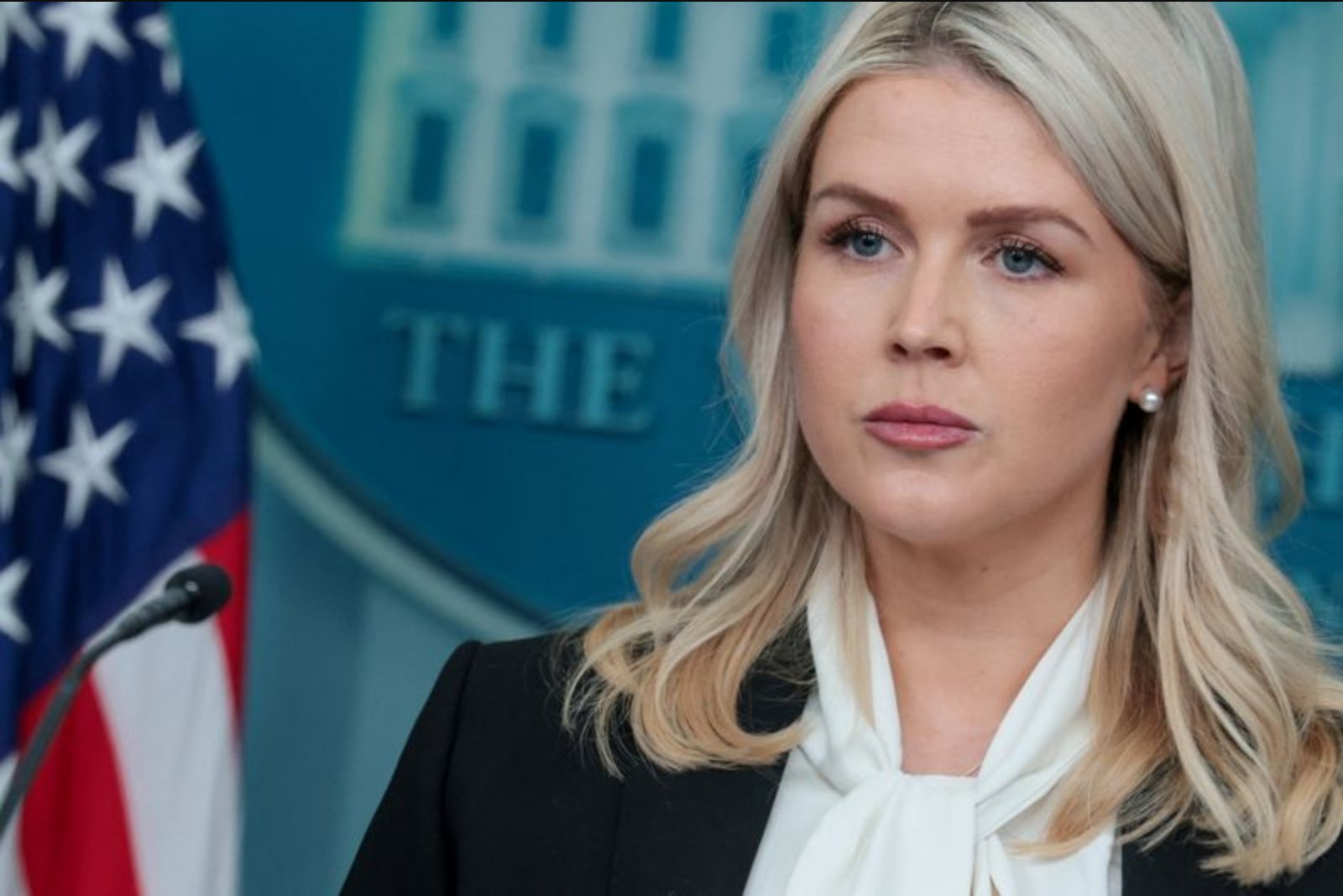
WASHINGTON, March 4 - The White House said on Wednesday that Spain has agreed to cooperate with the U.S. military, White House Press Secretary Karoline Leavitt told reporters, following a public warning from President Donald Trump the previous day about potential trade consequences.

Speaking at a news briefing, Leavitt said: "I think they heard the president’s message yesterday loud and clear. It is my understanding over the past several hours they’ve agreed to cooperate with the US military," describing the development as having occurred in the hours after the president's statement.

The president had signaled that he was considering a trade embargo on Madrid after Spain refused to permit U.S. aircraft to use jointly operated naval and air bases in southern Spain for an operation against Tehran. That refusal had prompted the White House warning the day before Leavitt's remarks.

Spanish leaders have been publicly critical of the strikes on Iran. Spain has denounced the U.S. and Israeli bombings as reckless and illegal, according to public statements from Madrid. Deputy Prime Minister Maria Jesus Montero said on Wednesday that Spain "will not be vassals" to another country.

Prime Minister Pedro Sanchez, in a televised address earlier, reiterated Spain’s anti-war stance and warned that the conflict risked triggering a major global disaster. His televised comments underscored the government's public position opposing the military actions.


Context and timeline

The sequence reported by the White House places Leavitt’s announcement one day after the president publicly floated trade measures aimed at Madrid in reaction to Spain's refusal to allow U.S. aircraft access to jointly operated bases. According to the White House statement, Spain then agreed to cooperate with U.S. military forces in the hours that followed.


Implications

Officials in Madrid have framed their stance as a principled opposition to the recent strikes on Iran and have spoken against becoming subordinate to another country, while U.S. officials have tied cooperation on base access to broader diplomatic and economic consequences.

Risks

  • Threat of trade restrictions or a trade embargo as signalled by the president creates uncertainty for bilateral commerce between the U.S. and Spain - markets and exporters could be affected.
  • Divergent positions on base access and military operations raise risks around defense logistics and the use of jointly operated facilities - military and aerospace sectors may face operational uncertainty.
  • Escalation of the conflict was described by Spain’s prime minister as carrying the potential to trigger a major global disaster, highlighting geopolitical risk that could affect broader markets and investor sentiment.

More from World

White House Weighs U.S. Role in Iran After Military Operation; Intelligence Tracking Succession Reports Mar 4, 2026 Stranded in Gulf Hubs, Travellers Gamble on Last-Minute Calls to Get Home Mar 4, 2026 U.S. Focus on Iran Risks Straining Patriot Missile Supplies for Ukraine Mar 4, 2026 Mexican Court Orders Military to Deliver 853 Pages in Ayotzinapa Probe Mar 4, 2026 EU Parliament Pauses Work on Legislation Tied to EU-US Trade Deal Amid Tariff Uncertainty Mar 4, 2026