
Efforts by regional intermediaries to open diplomatic channels and negotiate a ceasefire in the rapidly expanding Iran war have failed to gain traction, according to multiple sources with direct knowledge of the outreach. The Trump administration has declined mediation moves by Middle Eastern partners, while Iranian authorities insist they will not consider a ceasefire until U.S. and Israeli strikes cease.
The conflict began two weeks ago with a significant U.S.-Israeli air offensive and has since escalated. U.S. strikes on Kharg Island - Iran's principal oil export hub - late on Friday highlighted the administration's intent to continue military pressure. Iran's new Supreme Leader, Mojtaba Khamenei, has pledged to keep the Strait of Hormuz closed and warned of stepped-up attacks on neighboring countries.
According to three sources familiar with the mediation attempts, Washington rebuffed outreach from regional allies who were trying to initiate talks to halt hostilities. Oman, which had previously acted as a mediator prior to the outbreak of war, made multiple approaches to establish communications, but was told by the White House that the administration was not receptive.
Two anonymous sources described Oman's repeated attempts to open lines of communication. A senior White House official confirmed that President Trump rejected those efforts and said the administration's priority was to continue degrading Tehran's military capabilities. "He's not interested in that right now, and we're going to continue with the mission unabated. Maybe there's a day, but not right now," the official said.
A second senior White House official reiterated the administration's position and noted remarks the president made in the early days of the war on his social media platform. During the first week of the conflict, the president wrote that Iran's leadership and military were so damaged by U.S.-Israeli strikes that they wanted to talk, but that it was "Too Late!" The second official said: "President Trump said new potential leadership in Iran has indicated they want to talk and eventually will talk. For now, Operation Epic Fury continues unabated."
From Tehran's perspective, however, the conditions for any ceasefire are non-negotiable. Two senior Iranian sources told Reuters that Iran has rejected ceasefire proposals until the airstrikes by the United States and Israel end and Tehran's demands are met. Those demands include a permanent end to U.S. and Israeli attacks and compensation as part of a ceasefire agreement.
One senior Iranian source said the Islamic Revolutionary Guard Corps, the elite paramilitary force that wields significant economic and security influence within Iran, firmly opposes any cessation of hostilities or talks toward that end. "Whatever was communicated previously through the diplomatic channels is irrelevant now," the source said. He added, "The Guards strongly believe that if they lose control over the Strait of Hormuz, Iran will lose the war. Therefore, the Guards will not accept any ceasefire, ceasefire talks, or diplomatic efforts, and Iran's political leaders will not engage in such talks despite attempts by several countries."
Other regional actors also tried to re-establish dialogue. Egypt, which had participated in mediation efforts before the conflict began, made contact to reopen communication channels, according to three security and diplomatic sources. While those initiatives have not led to a negotiated settlement, one source said they did succeed in securing some military restraint from neighboring states that had been targeted by Iranian actions.
The governments of Egypt and Oman, and Iran's foreign ministry, did not respond to requests for comment when approached.
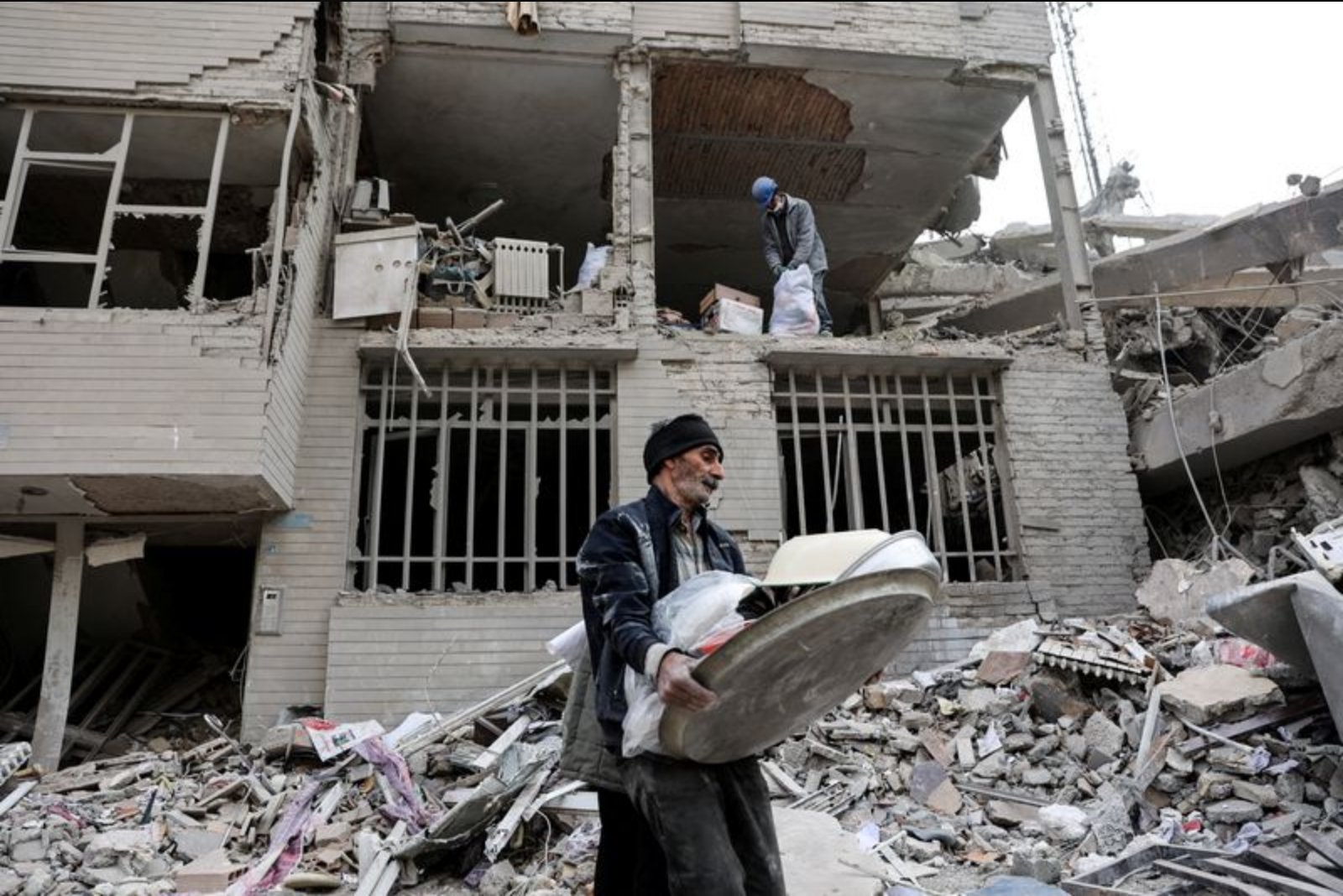
The hardening stances on both sides come as the war takes a mounting toll. The fighting has resulted in more than 2,000 deaths, mostly in Iran, according to the information provided. Maritime traffic through the Strait of Hormuz has halted after Tehran closed the waterway, creating what has been described as the largest disruption to oil supplies on record. Roughly one fifth of the world's oil transits the Strait, so the closure has sent global prices higher and increased economic costs for the United States.
Within the U.S. policy community, opinions diverge on how to proceed. Some officials and presidential advisers are urging a rapid resolution, pointing to rising gasoline prices and the potential political fallout for the president's Republican Party ahead of U.S. midterm elections. Others press for sustained military operations to dismantle Iran's missile capability and to deny it the path to a nuclear weapon. Those differing assessments are reflected in the decision to rebuff immediate ceasefire overtures.
Earlier in the conflict's opening days, according to several sources, senior U.S. officials had engaged Oman to discuss de-escalation avenues. Iranian figures including Ali Larijani, a top security official, and Foreign Minister Abbas Araghchi reportedly sought to leverage Oman as an intermediary for ceasefire discussions that would have involved U.S. Vice President JD Vance. Those discussions did not materialize.
The present impasse - with Washington focused on continuing the military campaign and Tehran unwilling to accept talks until its demand for an end to U.S. and Israeli strikes is met - suggests both capitals are preparing for a prolonged confrontation. The stand-off persists even as the human and economic costs of the conflict mount, with civilian casualties continuing and oil-market disruption deepening.
For now, neither side appears prepared to alter course. The White House has signaled a determination to keep applying military pressure, while Iranian leadership and its security apparatus have ruled out engaging in ceasefire diplomacy under current conditions. Regional mediators have been unable to overcome those positions, leaving the conflict's trajectory uncertain.
Summary
Regional mediation attempts led by Oman and Egypt to broker a ceasefire in the Iran war have been declined by the Trump administration, which is continuing air operations and military pressure. Iran, meanwhile, says it will not agree to a ceasefire until U.S. and Israeli strikes end, with the Islamic Revolutionary Guard Corps opposed to any cessation of hostilities. The conflict has killed over 2,000 people, closed the Strait of Hormuz, disrupted global oil flows, and driven prices higher.
Key points
- Washington has rebuffed multiple regional mediation attempts, with the White House saying President Trump is focused on continuing military operations.
- Iran has refused ceasefire proposals until U.S. and Israeli airstrikes stop and its demands, including compensation, are met.
- Sectors affected include global oil markets, due to the closure of the Strait of Hormuz, and defense and regional security as military operations continue.
Risks and uncertainties
- Prolonged closure of the Strait of Hormuz could maintain high oil prices and ongoing supply disruption, affecting energy markets and import-dependent economies.
- Escalation of military operations risks further civilian casualties and expanded regional conflict, with implications for defense sector demand and geopolitical risk premiums.
- Diplomatic deadlock leaves uncertainty over whether mediation efforts may later succeed, complicating planning for governments and markets that depend on stability in the region.