
World February 24, 2026

White House Reaffirms Diplomacy as Primary Approach Toward Iran, Keeps Military Option Open

Spokeswoman underscores diplomatic preference while noting presidential authority to order force; senior diplomat to brief congressional leaders amid naval deployments and a nearing deadline for Tehran

By Priya Menon
White House Reaffirms Diplomacy as Primary Approach Toward Iran, Keeps Military Option Open

The White House reiterated that diplomacy is President Trump's first option in dealings with Iran, while also stressing his willingness to employ lethal U.S. military force if required. The comment came as U.S. Secretary of State Marco Rubio prepares to brief top congressional leaders on Iran, and as a significant U.S. naval presence has been positioned near Iran's coast ahead of potential strikes. President Trump previously set a roughly 10-to-15-day window for Tehran to reach a deal and may address the issue in his upcoming State of the Union speech.

Key Points

  • Diplomacy stated as President Trump's first option, with spokesman Karoline Leavitt reiterating that the president could still order lethal U.S. military force if necessary.
  • U.S. Secretary of State Marco Rubio scheduled to brief top congressional leaders (the Gang of Eight) at the White House on Iran, indicating engagement with lawmakers at a high level.
  • A significant U.S. naval force has been deployed near Iran's coast ahead of possible strikes; the administration previously gave Tehran about 10 to 15 days to make a deal and may address the situation in the State of the Union speech.

WASHINGTON, Feb 24 - The White House on Tuesday restated that diplomacy is President Trump's primary approach toward Tehran, but a spokeswoman emphasized the president retains the authority to order the use of lethal force if circumstances warrant.

"President Trump’s first option is always diplomacy. But as he has shown ... he is willing to use the lethal force of the United States military if necessary," Karoline Leavitt told reporters at the White House, adding that "the president is always the final decision maker around here."

Later the same day, U.S. Secretary of State Marco Rubio was scheduled to brief senior congressional leaders known collectively as the Gang of Eight at the White House, according to the U.S. State Department. A source familiar with the matter told Reuters that Rubio is expected to discuss Iran during that briefing.

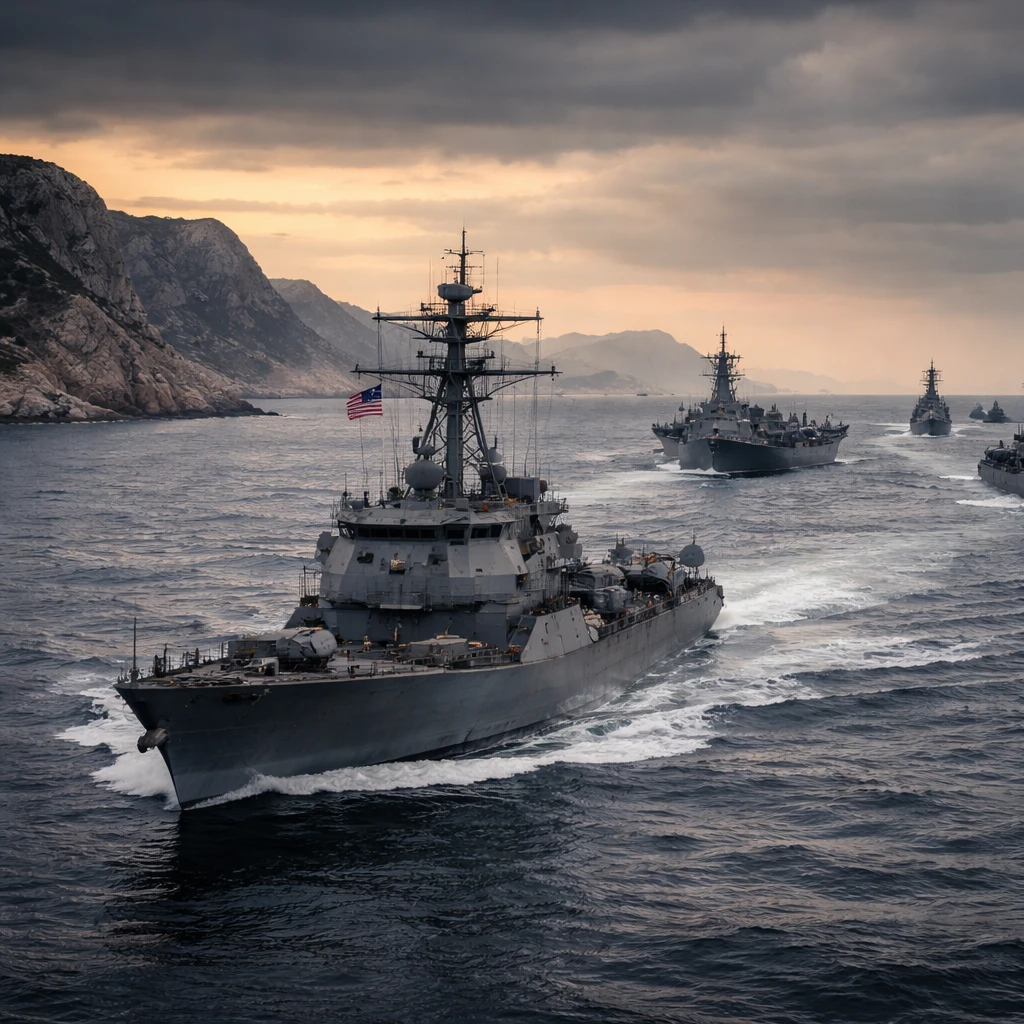
The statements and the planned briefing come as the United States has placed a substantial naval force near the Iranian coastline ahead of the possibility of strikes on the Islamic Republic. The administration has framed a diplomatic timeline as well: on February 19, President Trump said he was giving Tehran approximately 10 to 15 days to reach a deal.

Officials and observers will be watching for whether the president addresses his threatened strikes against Iran and the broader U.S. posture in his State of the Union speech scheduled for Tuesday night.


Context and next steps

The White House's public statements establish a dual approach: an explicit preference for diplomacy paired with a clear assertion of the president's readiness to order military force if deemed necessary. The forthcoming briefing by the Secretary of State to congressional leaders signals a high-level effort to share information with lawmakers while the naval deployment and the stated deadline for Tehran underline the administration's combined diplomatic and military signaling.

What remains uncertain

The article provides no additional detail on the specifics of any contemplated strikes, the composition or exact positioning of the naval forces, the content of the planned briefing, or how congressional leaders will respond. It also does not report any reply from Tehran to the administration's stated timeline.

Risks

  • Risk of military escalation - the article notes deployment of a large U.S. naval force and the stated possibility of strikes, which signals potential escalation in military activity (impacts: defense, regional security).
  • Diplomatic uncertainty - the administration has established a short window for Tehran to make a deal and emphasized diplomacy as the first option, but the outcome of that timeline is unclear (impacts: foreign policy and diplomatic relations).
  • Legislative oversight and reaction - a briefing to top congressional leaders is planned, but the article provides no detail on congressional response or potential political ramifications within the U.S. (impacts: governance and political risk).

More from World

U.S. Ambassador to France Phones Foreign Minister After Being Barred Over Embassy Comments Feb 24, 2026 Colombia Escalates Trade Measures, Imposes 30% Tariffs on Over 60 Ecuadorian Goods Feb 24, 2026 World Bank Flags Wide Gap Between Gender-Equal Laws and Real-World Enforcement Feb 24, 2026 Hungary trims base rate to 6.25% as inflation slips below target Feb 24, 2026 U.S. Forces Intercept Sanctioned Tanker Bertha in Indian Ocean, Pentagon Says Feb 24, 2026