
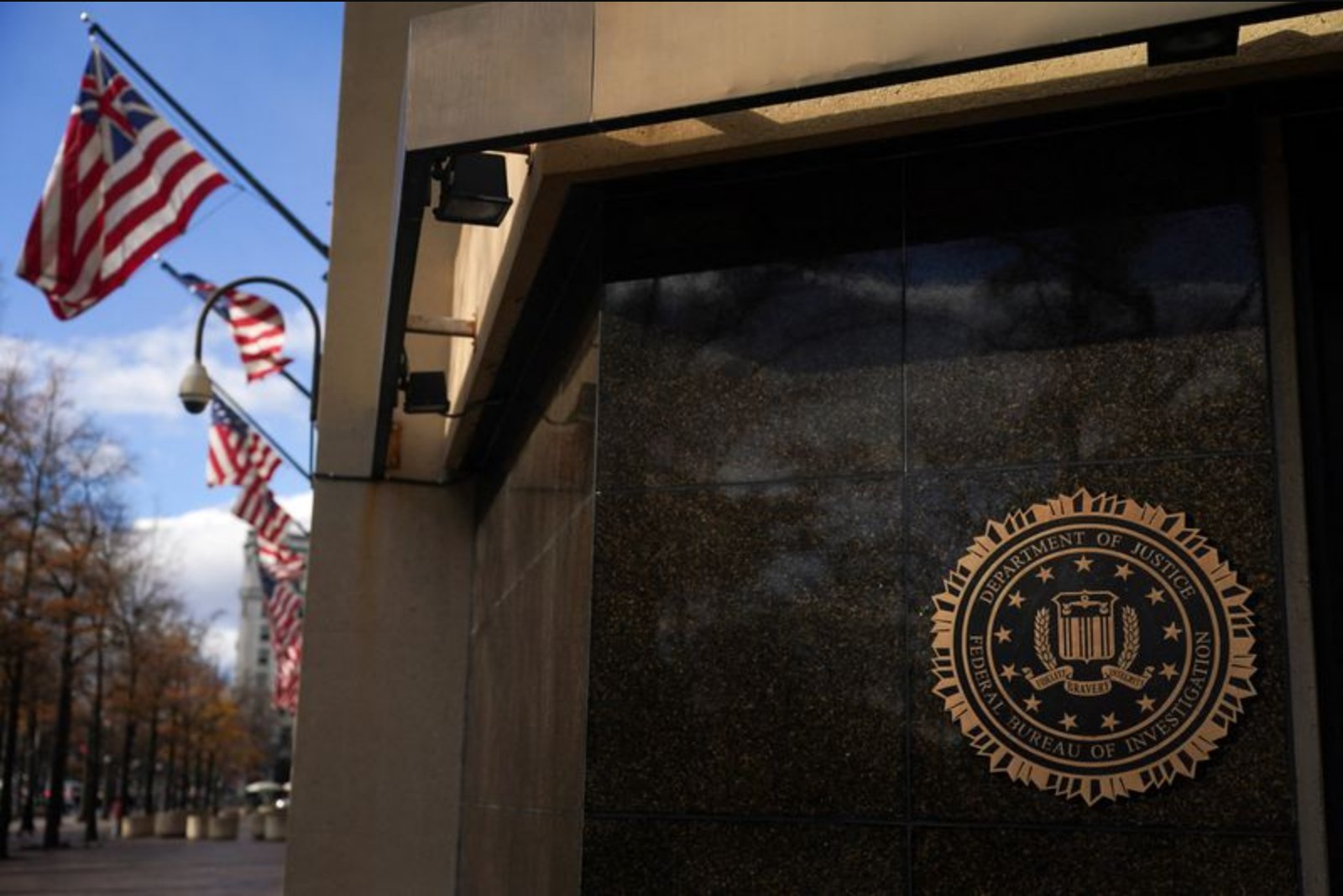
The White House on Thursday characterized an FBI alert shared with law enforcement last month about a potential Iran-linked drone attack on California as the product of a single, unverified tip, and said there has never been a verified threat from Iran to the U.S. homeland.
The confidential notice, which became public on Wednesday, had been routed through the Los Angeles Joint Regional Intelligence Center, a multi-agency hub. The bulletin stated that, as of early February, FBI information indicated Iran "allegedly aspired to conduct a surprise attack using unmanned aerial vehicles" launched from a sea vessel against targets in California "in the event that the U.S. conducted strikes against Iran."
Karoline Leavitt, the White House press secretary, said in a post on X on Thursday that the information underlying the bulletin amounted to a single email sent to local law enforcement in California and that the tip was unverified.
"TO BE CLEAR: No such threat from Iran to our homeland exists, and it never did," Leavitt wrote.
The notice surfaced as the conflict that began on February 28 with large-scale U.S. and Israeli bombardments of Iran continued. The bulletin’s public disclosure drew attention amid the ongoing hostilities.
Separately, President Donald Trump downplayed the idea that Iran-backed actors might carry out strikes on U.S. soil. When asked on Wednesday whether he was concerned that Iran could expand retaliatory actions to include attacks on American territory, Trump told reporters, "No, I’m not."
The FBI bulletin was first reported by ABC News. White House comments framed the matter as one of a precautionary intelligence circulation that, according to officials, did not reflect a verified or ongoing threat to the homeland.
Officials emphasized that the alert originated from a single piece of information sent via email to local authorities and that no corroborating intelligence establishing a concrete threat was identified. Beyond that description, the public record in the bulletin and subsequent statements does not provide additional corroborative details.
Clear points from the record
- The FBI distributed a confidential alert last month through the Los Angeles Joint Regional Intelligence Center alleging a possible plan by Iran to use drones launched from a sea vessel against California in the event of U.S. strikes.
- The White House says that alert was based on one unverified email tip sent to local law enforcement and that no verified threat to the U.S. exists.
- President Trump publicly indicated he was not worried about Iran escalating retaliation to include strikes on U.S. soil.