
WASHINGTON, March 13 - White House AI czar David Sacks said on Friday that the United States should "declare victory and get out" of its war with Iran, offering a rare call from a prominent member of Donald Trump’s administration for an exit strategy from the conflict.
Speaking on the "All-In Podcast," Sacks described a posture of de-escalation and said he believed U.S. military efforts had reduced Iran’s capacity to operate in the same way as before. "This is a good time to declare victory and get out," he said during the appearance.
On the podcast, Sacks repeated his view that the United States should look for an exit or off-ramp from the confrontation. "I agree that we should try to find the off-ramp," he added, and elaborated on the need for practical steps to dial back hostilities.
"If escalation doesn’t lead anywhere good, then you have to think about, well, how do you de-escalate? De-escalation, I think, involves reaching some sort of ceasefire agreement or some sort of negotiated settlement with Iran," he said.
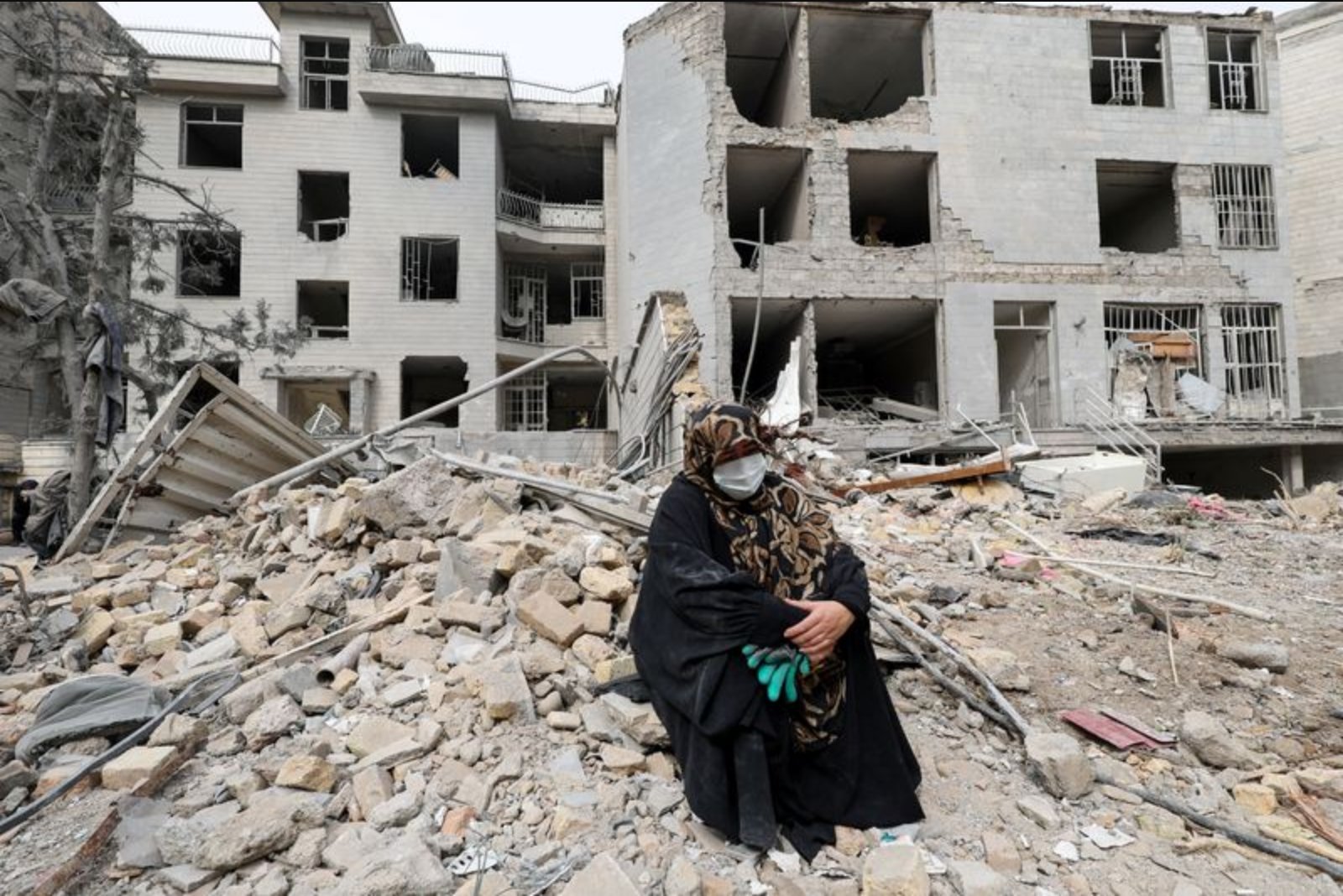
The broader conflict intensified after U.S. and Israeli strikes on Iran on February 28. Iran and its ally in Lebanon, Hezbollah, have since carried out strikes on Israel and on other countries across the Middle East, according to the account included in this report.
Observers have linked the fighting to disruptions in global markets and upward pressure on oil prices. The article records casualty figures cited by representatives of the parties involved: Iran’s U.N. ambassador has said that more than 1,300 people have been killed in Iran in U.S. and Israeli attacks; Israel has reported that 12 people have been killed in Israel by Iranian attacks; and the U.S. military has said seven of its members have been killed.
Sacks, identified in his remarks as former crypto and AI czar in the Trump administration, framed his comments as both a strategic assessment and a call for negotiation if further escalation proves unproductive. He urged leaders to consider ceasefire or negotiated settlement options as a means to reduce further loss of life and limit continuing economic disruption.
Context in this account is limited to the statements presented by Sacks and the factual items listed above; it reflects the remarks he made in the podcast appearance and the casualty and market impacts as reported.