
On Feb 28 tensions escalated as Israel and the United States launched an attack on Iran, marking a renewed phase of military confrontation in the Middle East. Below is a concise review of the principal U.S. military facilities in the region, organized by host country, and the principal functions they perform.
Bahrain
Bahrain hosts the headquarters of the U.S. Navy's Fifth Fleet. The Fifth Fleet's area of responsibility covers the Gulf, the Red Sea, the Arabian Sea and portions of the Indian Ocean, making the headquarters a central node for naval operations across several maritime corridors.
Qatar
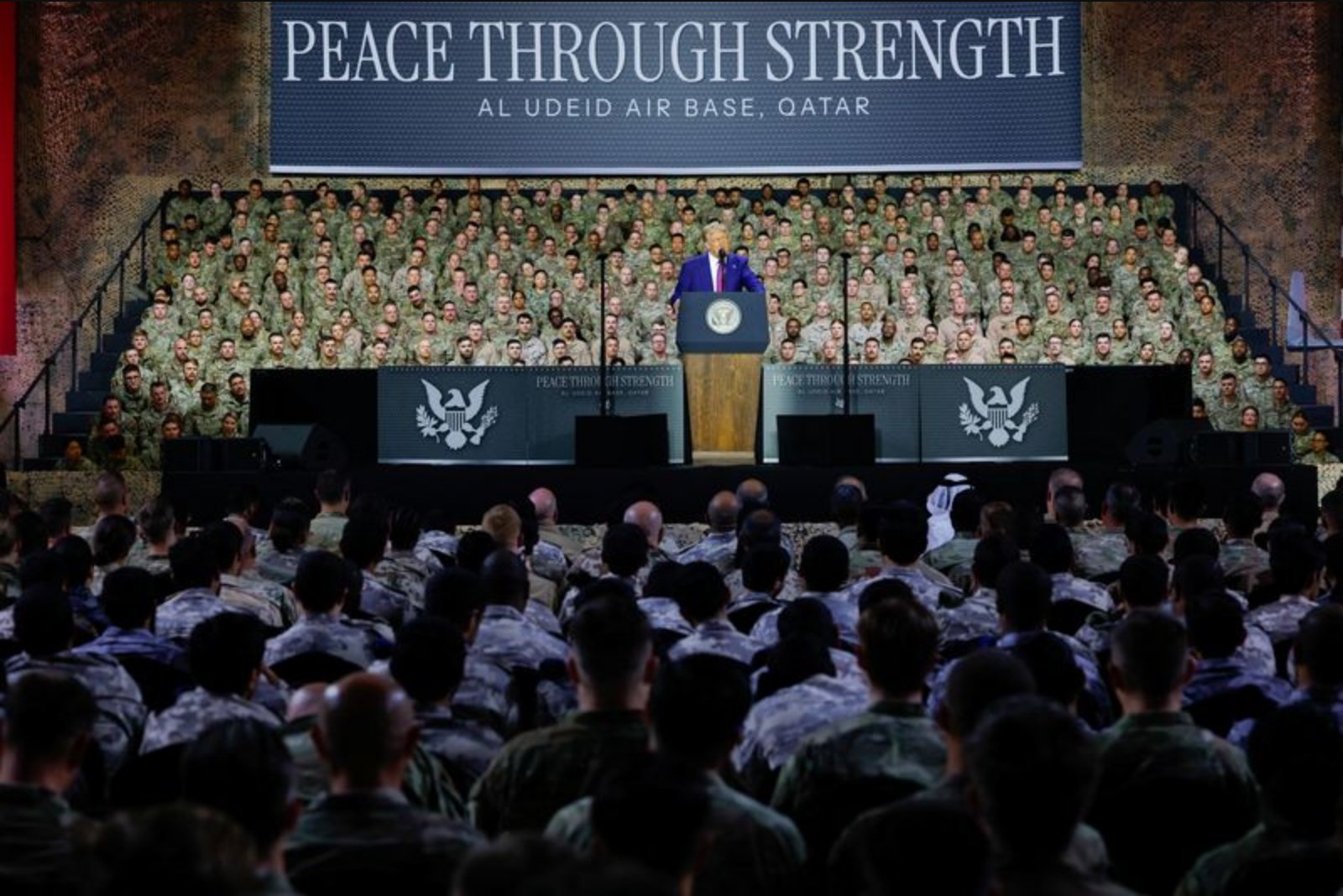
Outside Doha, the 24-hectare Al Udeid Air Base operates as the forward headquarters for U.S. Central Command. CENTCOM directs U.S. military activities across a broad swath of territory from Egypt in the west to Kazakhstan in the east. Al Udeid is the largest U.S. base in the Middle East and houses about 10,000 troops, serving as a primary center for command and forward operations.
Kuwait
Kuwait hosts multiple U.S. military installations. Camp Arifjan functions as the forward headquarters of U.S. Army Central. Ali Al Salem Air Base, located roughly 40 km from the Iraqi border, is known as "The Rock" because of its isolated, rugged environment. Camp Buehring, established during the 2003 Iraq War, remains a staging post for U.S. Army units deploying into Iraq and Syria.
United Arab Emirates
Al Dhafra Air Base, located south of Abu Dhabi and shared with the UAE Air Force, is a pivotal U.S. Air Force hub. It has supported missions against the Islamic State and hosted reconnaissance operations across the region, as reflected in U.S. Air Force Central Command reporting. While not a formal military base, Dubai's Jebel Ali Port serves as the U.S. Navy's largest port of call in the Middle East and routinely accommodates U.S. aircraft carriers and other naval vessels.
Iraq
The U.S. maintains a presence at Ain Al Asad Air Base in western Anbar province, where it supports Iraqi security forces and contributes to NATO efforts, according to the White House. The base was targeted by Iranian missile strikes in 2020 following the U.S. killing of Iranian General Qasem Soleimani. In the semi-autonomous Kurdistan Region of northern Iraq, Erbil Air Base serves as a hub for U.S. and coalition forces conducting training exercises and battle drills. According to a congressional report, Erbil provides a secure location for training, intelligence sharing and logistical coordination in northern Iraq.
Saudi Arabia
U.S. soldiers operate in coordination with the Saudi government, providing air and missile defence capabilities and supporting the operation of U.S. military aircraft. A White House letter noted that 2,321 U.S. personnel were in Saudi Arabia in 2024. Some of these forces are stationed at Prince Sultan Air Base, about 60 km south of Riyadh, which supports U.S. Army assets including Patriot missile batteries and Terminal High Altitude Area Defence systems.
Jordan
Located in Azraq, roughly 100 km northeast of Amman, Muwaffaq al Salti Air Base hosts the U.S. Air Forces Central's 332nd Air Expeditionary Wing. According to a 2024 Library of Congress report, the wing undertakes missions that span the Levant, positioning the base as an operational hub for regional air activities.
Implications and context within the region
Collectively, these installations underpin a range of U.S. military functions in the Middle East, from naval command and carrier port calls to air operations, reconnaissance, missile defence and training cooperation with partner forces. Their distribution across Gulf states, the Levant and Iraq positions U.S. forces to support a broad array of missions across maritime and land domains.
Limitations
This account focuses on significant U.S. facilities cited in public statements and reports. It does not purport to be an exhaustive inventory of every U.S. location in the region.