
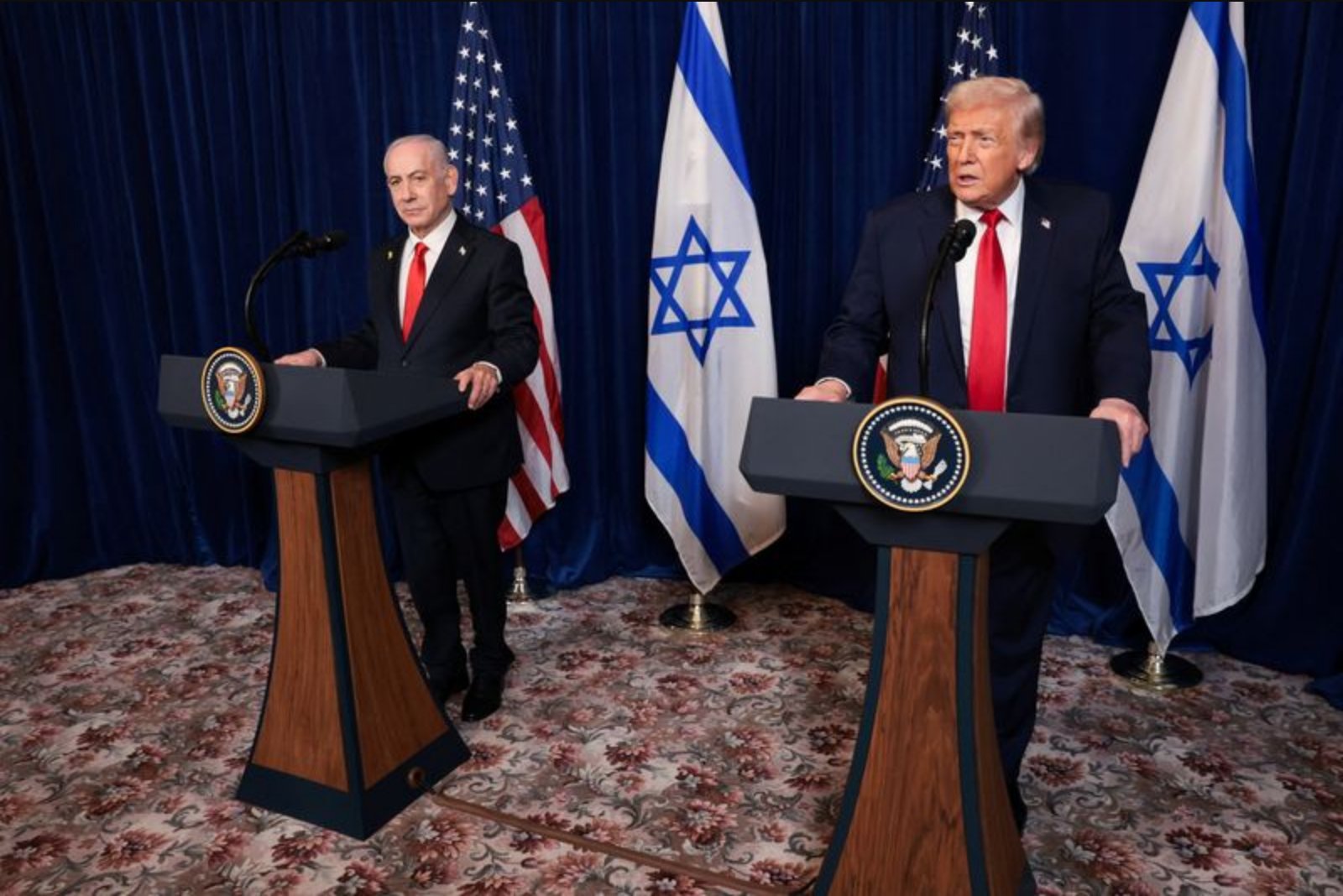
Israeli Prime Minister Benjamin Netanyahu will meet with U.S. President Donald Trump on Wednesday to discuss renewed United States negotiations with Iran over Tehran's nuclear program, in the midst of concerns that a breakdown in talks could escalate into a wider regional confrontation.
The two leaders have met six times since Trump’s return to the White House in January 2025. Their discussions have repeatedly centered on Iran’s nuclear activities, the conflict in Gaza, the release of hostages, and how to shape any future Palestinian governance. Below are the principal takeaways from each prior meeting.
-
February 4, 2025 - In an abrupt announcement at the White House, President Trump proposed that the United States assume administrative control of the Gaza Strip, with plans to develop the territory economically after Palestinians were resettled elsewhere. Trump described the narrow coastal territory, extensively damaged by Israel’s military response to the October 7, 2023 cross-border attack by Hamas, as having the potential to become "The Riviera of the Middle East." The proposal represented a sharp departure from longstanding U.S. policy on the Israeli-Palestinian conflict. Following intense international criticism and denunciations from human rights organizations, which characterized the plan as tantamount to ethnic cleansing, the president later retreated from the proposal.
-
April 7, 2025 - President Trump surprised Netanyahu by announcing that the United States and Iran were poised to begin negotiations on Iran’s nuclear program, a development reported by eight sources. Netanyahu had traveled to Washington seeking U.S. support for strikes on Iranian nuclear sites. Four sources said Netanyahu learned less than a day before a scheduled White House appearance that U.S.-Iran negotiations would begin within days. Following that announcement, a later confrontation in June unfolded into a 12-day war: Israel carried out intense, targeted strikes on Iranian military and nuclear infrastructure, while the United States bombed Iranian nuclear sites. Iran responded by launching hundreds of ballistic missiles and drones at Israel before the parties accepted a U.S.-brokered ceasefire.
-
July 7-9, 2025 - In talks during this period, Netanyahu argued that a future Palestinian state would be used as a platform to destroy Israel, and he insisted that sovereign authority must remain with Israel. He said that he and the president concentrated on efforts to free hostages held in Gaza while Israel continued military operations in the strip and pursued steps toward a ceasefire.
-
September 29, 2025 - The president secured Netanyahu’s agreement to a U.S.-sponsored peace proposal intended to end a war in Gaza that had persisted for nearly two years. Despite the leaders’ agreement, questions remained about whether Hamas would accept the plan.
-
October 13, 2025 - President Trump met with Netanyahu in Jerusalem and addressed Israel’s parliament, the Knesset. During that visit the president declared the Gaza war concluded and urged Israel’s president to pardon Netanyahu, who has faced corruption charges and was on trial for years.
-
December 29, 2025 - After meeting at his Mar-a-Lago estate, President Trump said the United States could back another major strike on Iran if Tehran resumed its ballistic missile or nuclear programs. He also warned Hamas of severe consequences should the group fail to disarm.
The pattern across these encounters shows sustained U.S.-Israel coordination on security matters, repeated disagreements and surprises around diplomatic engagement with Iran, and continued emphasis on resolving hostage situations and the Gaza conflict. The meetings also highlight tensions between unilateral military options and negotiated settlements, as well as the political sensitivities surrounding proposals that would alter the status or governance of Gaza.