
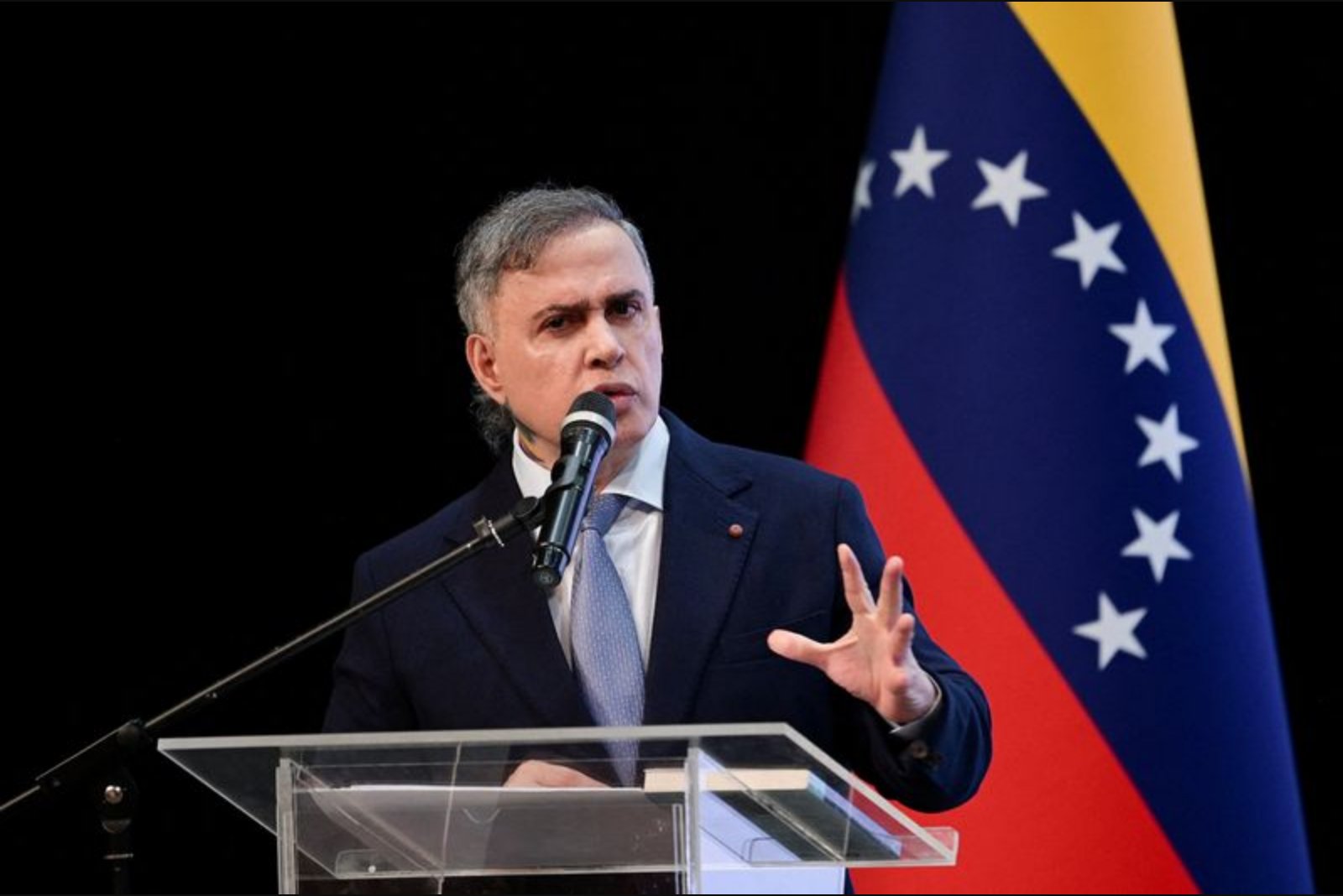
CARACAS, Feb 11 - Venezuela's attorney general, Tarek Saab, told reporters he hopes an amnesty law under consideration by the National Assembly will deliver "a 100% pacified country" and ensure that the crimes behind the measure are never repeated. Saab also insisted that those currently in prison are not being held as political detainees.
The amnesty proposal, which has already cleared an initial vote in the legislature, has not yet been read in full. The assembly is scheduled to meet on Thursday, though it remains unclear whether the bill will be placed on the agenda for further debate or final approval. The legislative chamber is led by Jorge Rodriguez, the brother of interim President Delcy Rodriguez.
Interim President Delcy Rodriguez assumed power last month after the U.S. ouster of President Nicolas Maduro, and her administration has taken steps that the government describes as part of a normalization of relations with Washington. Those steps include complying with Trump administration requests related to oil sales and releasing hundreds of individuals whom human rights groups consider political prisoners. The rapprochement has coincided with an ongoing visit by the U.S. energy secretary.
Observers point to important changes in the current version of the amnesty draft compared with an earlier, more expansive text. The latest draft does not enumerate the specific acts that would qualify as political actions - acts which had previously been listed in detail and included instigation of illegal activity, resistance to authorities, rebellion and treason. The revised language also removes provisions that would have granted amnesty for defamation arising from criticism of authorities and does not lift Interpol red notices.
Additional measures present in the earlier draft have been omitted from the current version. It no longer includes clauses to return assets to those detained, to overturn bans on holding public office that were imposed for political reasons, or to cancel sanctions imposed on media outlets. Those elements had featured in the prior draft but are absent from the text now before legislators.
In an interview, Saab said he expects the law to be approved "in the coming days" and framed the measure as essential to national reconciliation. "I don’t think there can be anything anymore that tarnishes the spirit of peace and reconciliation that Venezuela deserves," he said, adding that the law must prevent any repetition of the actions or crimes that prompted it.
The law's narrowed scope and the outstanding procedural questions in the National Assembly leave its final content and timing unresolved. As the legislature continues its work, the differences between the earlier and current drafts - and the political decisions that produced those differences - will determine which categories of detainees and which legal and institutional consequences are affected by any final amnesty.
Contextual note: The article reports on the current status and contents of the proposed amnesty law, statements by the attorney general, the recent change in interim presidential authority, and steps taken by the interim administration that relate to normalization with the United States. The draft's evolving provisions are described as they stand at present.