
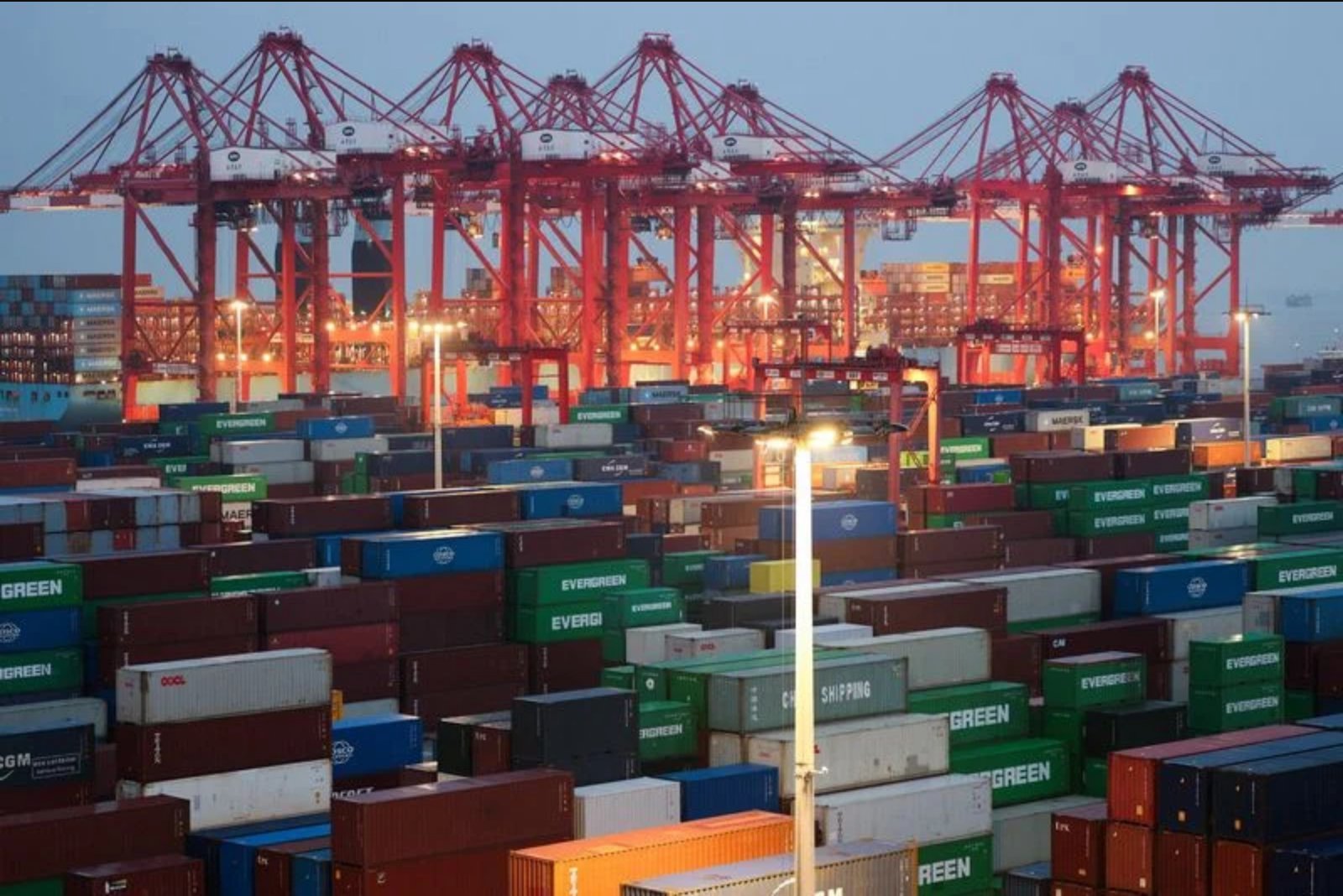
The Office of the U.S. Trade Representative (USTR) has initiated a formal public comment period tied to the bilateral "U.S.-China Board of Trade" that U.S. and Chinese leaders agreed to form during their mid-May summit in Beijing. The notice, published by USTR on Tuesday, requests stakeholder views on specific categories of non-sensitive products that might be eligible for reciprocal tariff adjustments.
The move is presented as an initial procedural step toward implementing the Board of Trade mechanism that President Donald Trump and Chinese President Xi Jinping announced at their recent meeting. While officials from both countries have described the effort as aiming to identify roughly $30 billion of goods on each side that could be traded without crossing national security red lines, the USTR statement accompanying the Federal Register notice did not reference that dollar figure directly. Instead, the agency sought broad input from U.S. parties on how to define and identify eligible products.
In its Federal Register notice, USTR asks a series of practical questions directed at U.S. businesses, trade associations, and other stakeholders. Among them: what types of Chinese products - or which sectors of Chinese goods - should be considered non-sensitive because they pose few, if any, economic, national security, or supply-chain resilience risks? The notice also asks whether certain products currently subject to historically higher tariff rates under the Trump administration should return to lower tariff levels, such as the most-favored-nation rates that applied before the administration’s higher tariffs were imposed.
USTR is asking commentators to provide quantitative context where possible. Specifically, the agency requests the annual average value of imports from China for the 2022 to 2024 period for any product proposed for reclassification, and it asks respondents to identify which consumers would benefit from a tariff reduction and which might be harmed by it. Similar questions apply to U.S. exports to China that now face additional tariffs; the notice explicitly mentions agricultural products among those U.S. exports under consideration.
The agency is also soliciting input on the operational design of the bilateral body: how frequently the Board of Trade should meet and how and when it should alter the scope or composition of the list of non-sensitive products. These procedural items are part of the USTR’s request for stakeholders to outline practicable mechanisms for ongoing management of the trade list.
U.S. Trade Representative Jamieson Greer said in a statement that the administration would work with stakeholders "to identify non-sensitive goods trade that can deliver results for American farmers, ranchers, fishermen, small businesses, manufacturers, and workers." He added that USTR welcomes comments on approaches to facilitate mutually beneficial trade with China "while continuing to use tariffs to defend American economic and national security and promote balanced and reciprocal trade."
Comments in response to the Federal Register notice are due by July 10. The USTR request represents the opening of a consultative process; the agency's questions frame the immediate focus on product definitions, measured import values for the recent three-year period, and the procedural cadence for the bilateral Board of Trade.
Impacted sectors: agriculture, manufacturing, small businesses, freight and logistics.