
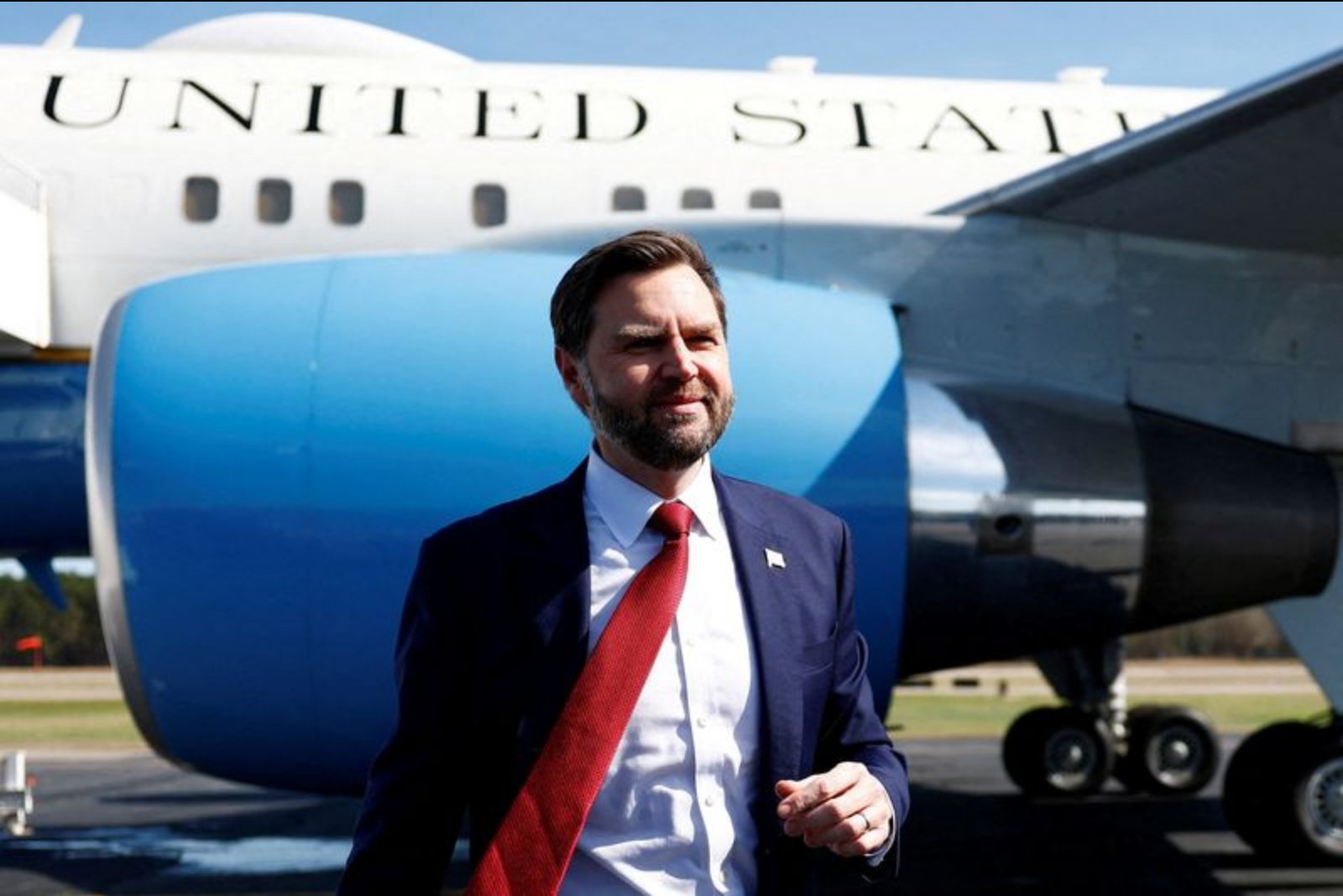
BUDAPEST, March 20 - U.S. Vice President JD Vance is slated to visit Hungary in early April, Hungarian Foreign Minister Peter Szijjarto said on a podcast on Friday, confirming plans that sources familiar with the arrangement had disclosed earlier in the week. Szijjarto characterized the visit as an example of strong U.S.-Hungary relations and said it would include personal meetings, though he did not provide a precise date.
The timing places Vance's expected trip immediately ahead of a national election that many see as the most challenging electoral test yet for Prime Minister Viktor Orban since his 2010 landslide victory. Polls cited by observers show Orban trailing his centre-right rival, Peter Magyar, as the country approaches the April 12 ballot.
Two sources familiar with the planning had indicated on Wednesday that Vance intended to come to Hungary in an apparent gesture of support for Orban. The announcement follows a February visit to Budapest by U.S. Secretary of State Marco Rubio, who made a public show of backing for Orban.
Orban remains a prominent and controversial figure in European politics and is closely aligned with U.S. President Donald Trump. He has frequently clashed with the European Union on multiple issues, including policy toward Ukraine. Despite pressure from Brussels, Orban has preserved warm ties with Moscow, declined to send weapons to Ukraine, and has stated that Kyiv can never join the European Union.
Domestic challenges facing Orban include a weak economy and an energy price shock, both cited as pressures on his administration. These economic and energy headwinds are occurring at a politically sensitive moment, as a challenger seen by many analysts as viable appears to be mounting a significant campaign.
Trump publicly threw his support behind Orban last month, calling him "a truly strong and powerful Leader" in a social media post. Figures on the American right have frequently pointed to Orban as a model for strict immigration measures and a political emphasis on Christian conservatism.
Szijjarto did not offer further specifics about the itinerary or the exact schedule for Vance's visit. The Hungarian foreign minister framed the trip as part of an ongoing pattern of bilateral engagements between the two countries.
Contextual note: Information in this report is based on statements from Hungarian officials and on accounts from unnamed sources familiar with planning; precise details on timing and agendas were not provided.