
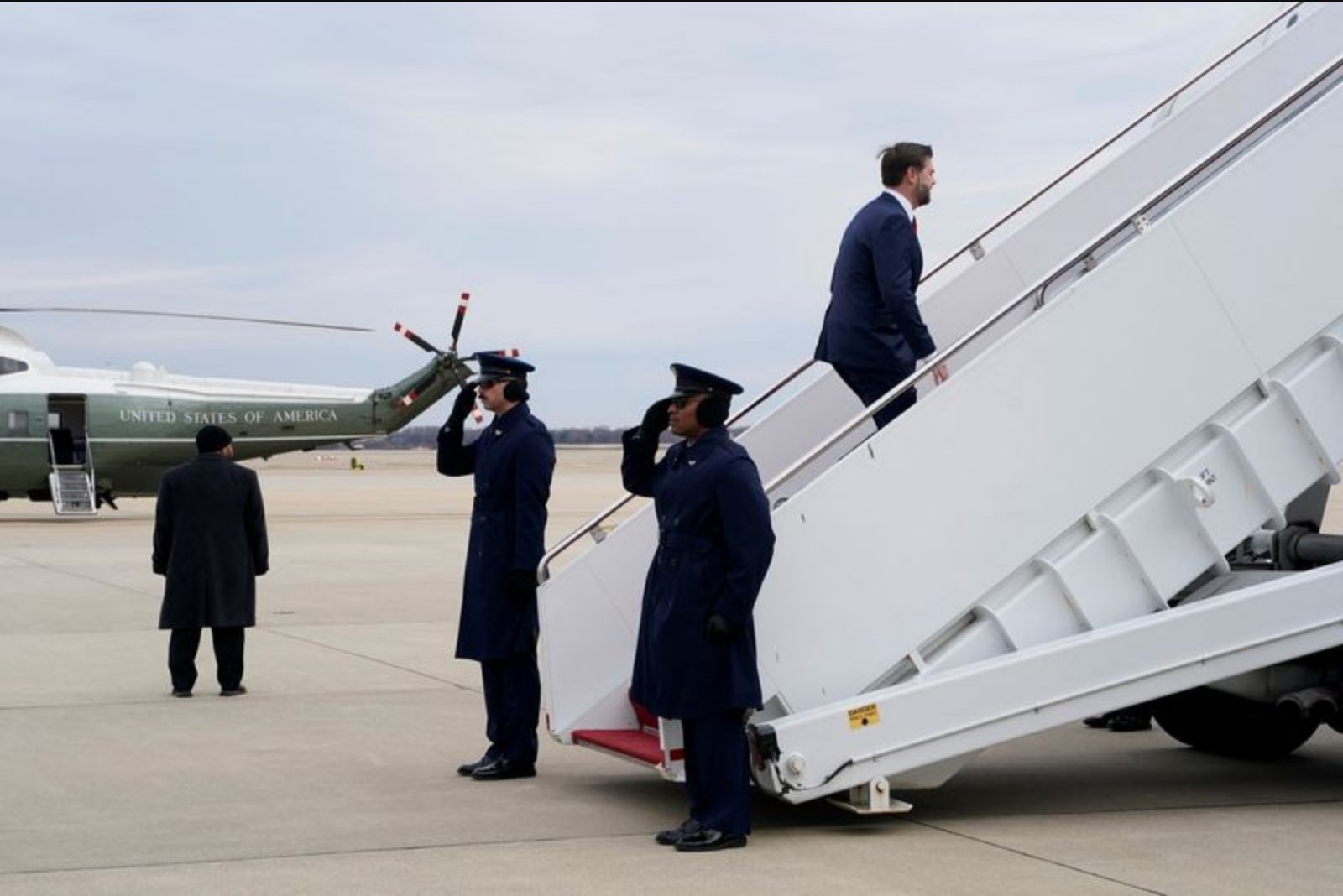
U.S. Vice President JD Vance is arranging travel to Hungary in the coming days to show support for Prime Minister Viktor Orban, who faces what sources describe as a difficult re-election bid next month. Two people familiar with the planning said the visit is intended as a public demonstration of support for Orban as the campaign enters its final stretch.
The anticipated trip comes on the heels of U.S. Secretary of State Marco Rubio's February trip to Budapest, during which Rubio publicly endorsed Orban ahead of what advisers have described as his most competitive re-election contest since first taking office in 2010. Opinion polls cited by officials show Orban trailing in the last month before the April 12 vote.
Sources cautioned that the exact timing of Vance's travel has not been finalized and that plans remain subject to change. They noted that senior U.S. officials could choose to stay in Washington depending on developments in the region, particularly while the U.S.-Israeli air war on Iran continues. President Donald Trump has said he is postponing a planned trip to China because of that conflict. The White House did not immediately provide a comment.
Orban, who has governed Hungary for an extended period and is widely described as a nationalist leader, is one of President Trump's closest European allies. He has frequently clashed with the European Union on several policy fronts. In defiance of Brussels, Orban has maintained friendly relations with Moscow, declined to send weapons to Ukraine, and publicly stated that Kyiv can never join the EU.
Last month, President Trump publicly endorsed Orban, calling him "a truly strong and powerful Leader" in a social media post. The endorsement aligns with admiration among elements of the American hard-right, who view Orban as a model for firm immigration policy and the promotion of Christian conservative values. The administration has recently signaled backing for other conservative figures internationally as well, including Argentina's Javier Milei and Japan's Sanae Takaichi.
Vice President Vance has moved into a prominent role on foreign policy issues and is often involved in diplomatic engagements. Sources identify him as a central figure in current administration foreign-policy decision making and as the most likely leading candidate to follow President Trump in 2028.
During Rubio's visit to Hungary, he framed Orban's continued leadership as important to U.S. interests, while also suggesting that the strength of bilateral ties could hinge on the outcome of the election. Rubio additionally told Hungarian officials that Washington would be prepared to assist Budapest financially if circumstances required such support.
With the campaign entering its final month, polls show Orban's Fidesz party trailing the opposition Tisza party, led by Peter Magyar, a former government insider. Pollsters note that a significant share of voters remain undecided as election day approaches.
The outcome will unfold against a backdrop of weak economic growth and lingering effects from a spike in inflation that followed Russia's February 2022 invasion of Ukraine. Observers say the election could reverberate across Europe at a time of rising conservative and far-right political movements.