
World February 6, 2026

U.S. Urges New Multilateral Nuclear Arms Pact After New START Expires

Top U.S. arms control official says a bilateral treaty with Russia alone is inadequate for 2026 and beyond

By Leila Farooq
U.S. Urges New Multilateral Nuclear Arms Pact After New START Expires

Following the expiration of the treaty that capped strategic nuclear deployments by the United States and Russia, a senior U.S. arms control official urged negotiation of a new agreement that moves beyond a bilateral framework. Thomas DiNanno told delegates in Geneva that extending New START would not serve U.S. or global interests, citing its flaws and the treaty's exclusion of China. He also relayed that President Donald Trump has expressed a clear preference for a new nuclear arms control treaty.

Key Points

  • The treaty limiting strategic nuclear deployments by the United States and Russia expired on Thursday after more than two decades of standing limits.
  • U.S. Under Secretary Thomas DiNanno told delegates in Geneva that simply extending New START would not benefit the United States or the world, describing the treaty as flawed and noting it does not include China.
  • DiNanno stated that President Donald Trump has been clear in his preference for negotiating a new treaty on nuclear arms controls; relevant sectors for consideration include defense and government security policy.

GENEVA, Feb 6 - The United States on Friday called for negotiations toward a new arms control agreement after the treaty that had limited strategic nuclear weapons deployments by the United States and Russia for more than two decades lapsed on Thursday.

At the Disarmament Conference in Geneva, U.S. Under Secretary of State for Arms Control and International Security Thomas DiNanno criticized the idea of simply extending the existing accord known as New START. He told delegates that prolonging the treaty would not be in the interest of the United States or the world, characterizing the agreement as flawed and highlighting that it does not cover China.

DiNanno was quoted saying: "Today, the United States faces threats from multiple nuclear powers. In short, a bilateral treaty with only one nuclear power is simply inappropriate in 2026 and going forward." The remark underscored his view that an arms control framework limited to the United States and Russia is out of step with the current security environment.

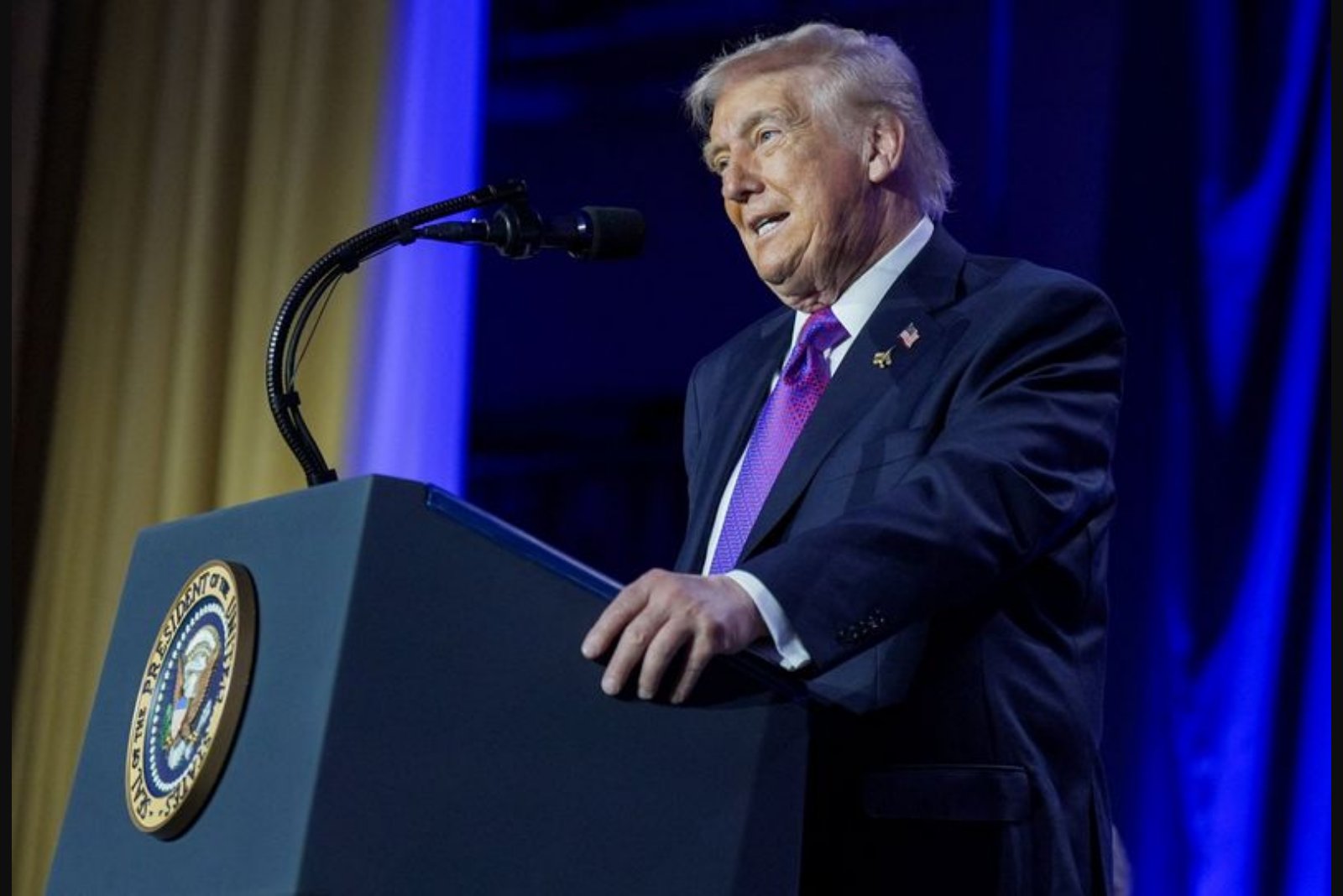
Speaking to reporters earlier, DiNanno also said that President Donald Trump has been clear in his calls for a new treaty on nuclear arms controls. Beyond those public statements, the comments at the Geneva conference focused on the need to move toward a different negotiating architecture rather than continuing or extending the prior bilateral arrangement.


Context and implications

The treaty that expired had imposed caps on strategic nuclear forces deployed by the two largest nuclear-armed states, a mechanism that had been in place for more than 20 years. With that framework now ended and U.S. officials rejecting a straightforward extension, DiNanno urged a rethinking of how nuclear arms control agreements are structured, pointing to the omission of other nuclear powers from the previous pact.

Delegates in Geneva heard the U.S. position directly from the State Department official, who framed a new agreement as necessary to reflect contemporary challenges and the presence of multiple nuclear-capable states.


Note: The public remarks reported here reflect statements made at the Disarmament Conference and comments provided to reporters by the U.S. Under Secretary of State.

Risks

  • The lapse of the long-standing bilateral treaty creates uncertainty over the framework governing U.S.-Russia strategic nuclear limits, a dynamic with implications for defense planning and international security sectors.
  • DiNanno noted that New START does not include China, highlighting a structural limitation that could complicate efforts to reach a multilateral agreement acceptable to all relevant parties.

More from World

Law Firms Prepare for Wave of Refund Suits After Supreme Court Restriction on Tariff Power Feb 20, 2026 Appeals Court Clears Way for Louisiana Ten Commandments Classroom Requirement Feb 20, 2026 Fitch Keeps UK at AA- Citing Flexible Economy but Flags High Debt and Policy Uncertainty Feb 20, 2026 Fitch Maintains Congo's CCC+ Rating, Flags Persistent Debt and Governance Weaknesses Feb 20, 2026 Moody's Upholds Sweden's Aaa Rating, Cites Strong Fiscal Fundamentals Feb 20, 2026