
WASHINGTON, Feb 26 - The U.S. Treasury Department on Thursday unveiled a proposed rule aimed at cutting MBaer Merchant Bank AG off from the U.S. financial system, alleging the Swiss bank provided services to illicit actors connected to Iran and Russia.
The Treasury said in its proposal that MBaer and certain employees of the bank had roles in facilitating corruption associated with Russian money laundering. In addition, the agency alleged the bank had been involved in money laundering and in transactions that constituted terrorist financing on behalf of Iran's Islamic Revolutionary Guard Corps and its Quds Force, both of which are subject to U.S. sanctions.
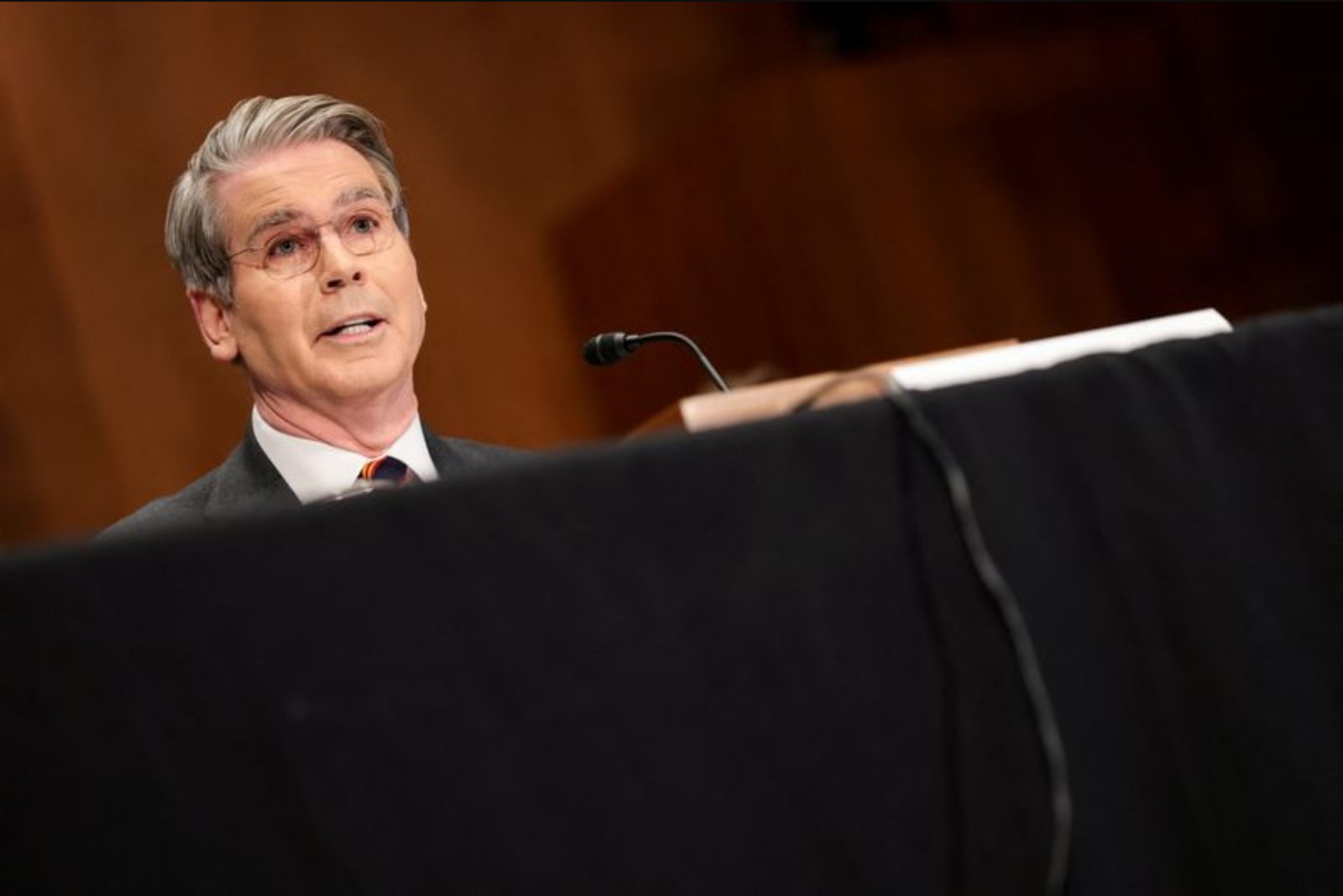
In announcing the proposal, Treasury Secretary Scott Bessent said, "MBaer has funneled over a hundred million dollars through the U.S. financial system on behalf of illicit actors tied to Iran and Russia." He added, "Banks should be on notice that the U.S. Treasury will aggressively protect the integrity of the U.S. financial system using the full force of our authorities."
The rule, as proposed, would sever MBaer Merchant Bank AG's ability to access U.S. financial channels should it be finalized. The Treasury linked the proposed action directly to the bank's alleged role in supporting the movement of funds for actors the United States designates as illicit or sanctioned.
Officials framed the measure as part of an effort to safeguard the U.S. financial system from misuse by actors engaged in corruption, money laundering, or terrorist financing. The proposal identifies specific concerns about MBaer's conduct as the basis for the potential restriction on its access to U.S. financial services.
The notice issued on Thursday lays out the Treasury's allegation that over a hundred million dollars associated with illicit actors tied to Iran and Russia moved through U.S. financial infrastructure by way of MBaer. The Treasury's statement underscored that the department views enforcement as a tool to maintain the integrity of U.S. financial channels.
Note on scope: The information presented here reflects the content of the Treasury's proposed rule and the statements attributed to Treasury officials. It does not add facts beyond those contained in those public statements.