
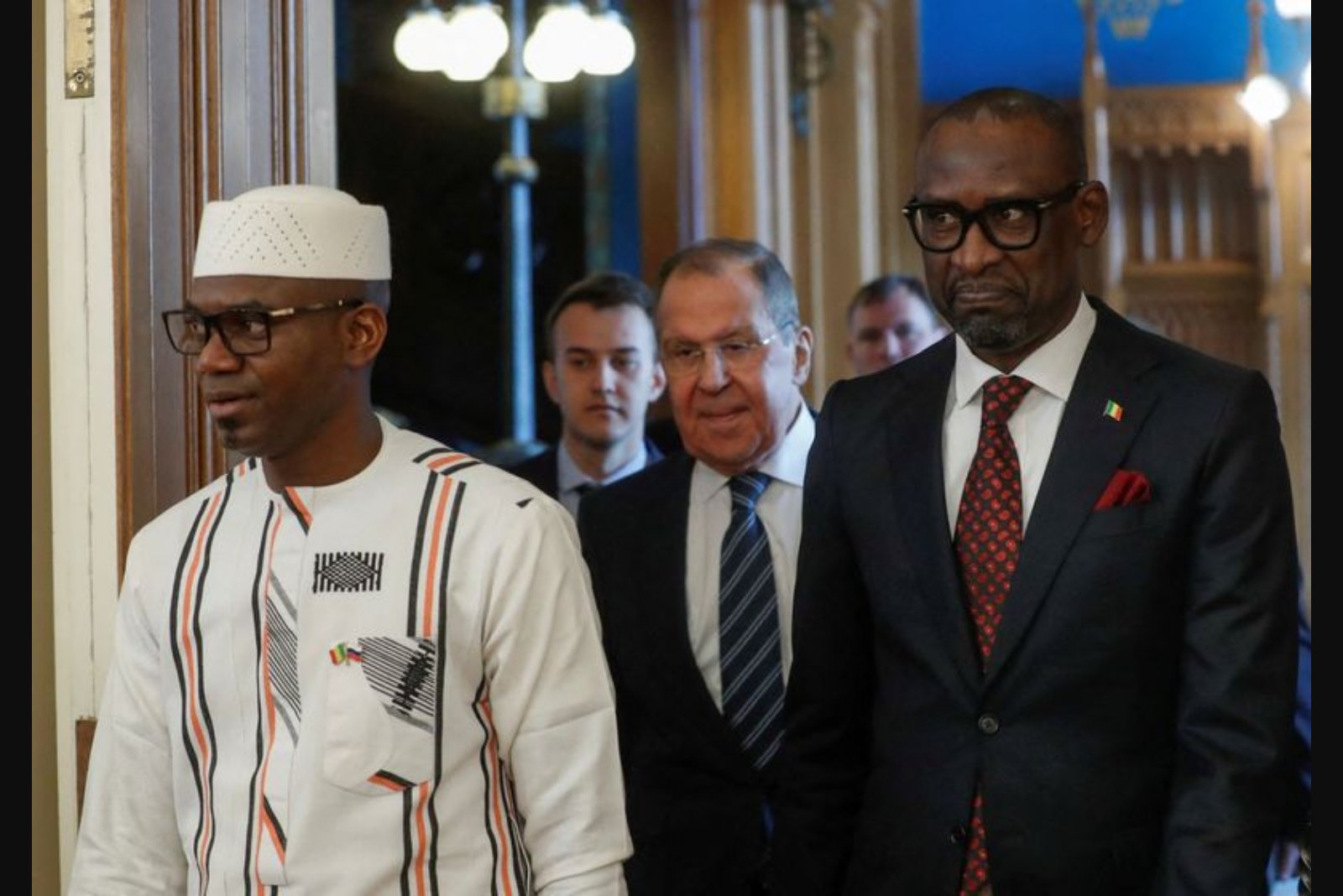
DAKAR, Feb 27 - The United States has removed sanctions on three high-ranking Malian officials who had been targeted for their alleged connections to Russia's mercenary force Wagner, according to a Treasury Department notice. The decision comes as U.S.-Malian ties show signs of renewed engagement.
The officials taken off the sanctions list on Friday are Defense Minister Sadio Camara and senior military figures Alou Boi Diarra and Adama Bagayoko. All three had been sanctioned over links to Wagner, which the notice described as now largely defunct and subsumed into what Russia calls its Africa Corps.
There was no immediate comment from Mali's government following the delistings. U.S. diplomatic activity in the country has increased in recent weeks: the top U.S. envoy to Africa, Nick Checker, visited Mali last month to map out next steps toward strengthening bilateral ties, the State Department said.
Counterterrorism cooperation and intelligence sharing
Washington moved last year to resume intelligence sharing with Mali to support efforts against extremist groups, a reversal from earlier disengagement. The resumption of that flow of information is part of a broader U.S. effort to re-establish working relationships with Sahelian governments, officials have indicated.
Cameron Hudson, a former U.S. official who handled Africa issues at the Central Intelligence Agency and State Department, described the sanctions removal as fitting into a larger strategy to re-engage with the Sahel. He said the U.S. has substantially increased engagement with Malian authorities with the dual aim of restarting counterterrorism cooperation and signaling that U.S. foreign policy will not be constrained by a reluctance to engage with countries governed by military juntas.
Operational constraints and regional security concerns
Under the current U.S. administration, Washington lost access to its principal surveillance base in the region, located in neighbouring Niger, and was prohibited from conducting intelligence-gathering flights from there. That loss significantly curtailed U.S. capacity to monitor and respond to jihadist activity across the Sahel.
Mali, together with Burkina Faso and Niger, continues to confront a decade-long jihadist insurgency led by local groups aligned with al Qaeda and the Islamic State. The violence has extended into coastal countries and has produced rising casualty figures.
Implications
The delisting signals a diplomatic shift aimed at rebuilding operational ties on security and intelligence matters while acknowledging persistent instability in the region. How these restored channels of cooperation will affect the operational fight against extremist groups remains tied to both the durability of engagement and the security environment across the Sahel and adjacent coastal states.