
Senegalese and U.S.-based activists have told Reuters that a Massachusetts organization known as MassResistance engaged with local advocates in Senegal to discuss strategies for promoting a tougher anti-LGBT legal framework. Activists said those discussions covered campaign planning, awareness-raising and mobilization techniques in the run-up to a parliamentary vote that approved a law expanding criminal penalties for same-sex sexual acts and outlawing the so-called promotion of homosexuality.
MassResistance is a U.S. "pro-family" group that publicly frames homosexuality as a public health threat and that has a history of opposing same-sex marriage and what it calls the "transgender war on cultural norms." According to activists interviewed, the organization has been advising like-minded activists in Africa for several years and sought to leverage what it described as a more restrictive U.S. policy stance under President Donald Trump.
Coordination with Senegalese Network
And Samm Jikko Yi, a Senegalese coalition of Islamic and civil society organizations, began campaigning in 2020 for a tougher law, arguing the existing penal code provision was insufficient. The earlier statute allowed prison terms of up to five years for what it described as "acts against nature." Activists said the network believed stronger measures were required to curb what it termed the promotion and proliferation of LGBT ideology.
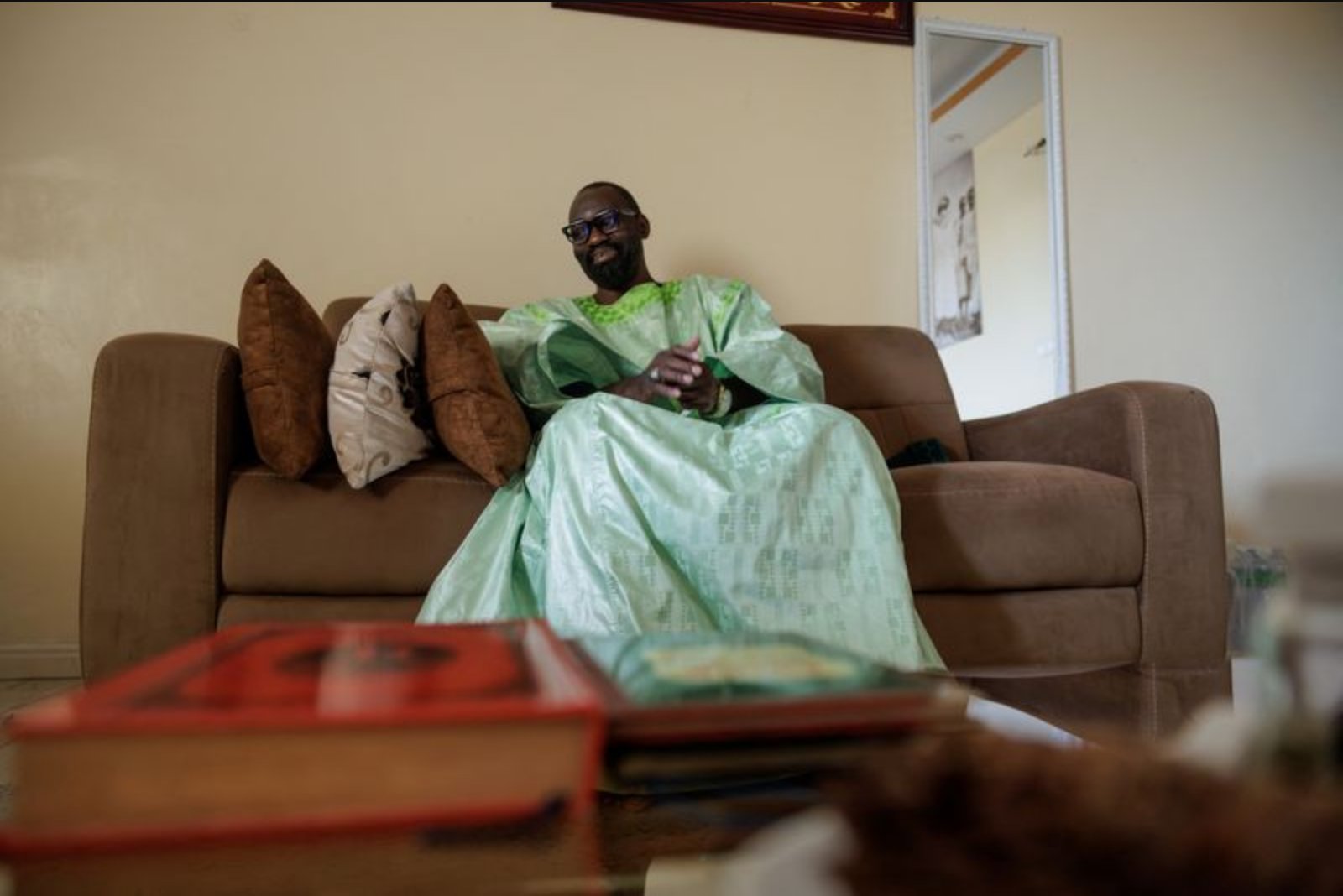
Ababacar Mboup, who served as the network's coordinator and is now its honorary president, said that in December 2024 And Samm Jikko Yi contacted MassResistance to discuss efforts to change Senegal's law. Mboup and MassResistance's field director, Arthur Schaper, said they talked about tactics for outreach, mobilization and engaging authorities, and explored the possibility of opening a MassResistance chapter in Senegal.
Senegal's president, Bassirou Diomaye Faye, and Prime Minister Ousmane Sonko had pledged during their 2024 campaign to introduce a new law. Last week, Senegalese lawmakers approved legislation that doubles the maximum prison term for same-sex sexual acts to 10 years and criminalizes so-called promotion of homosexuality. Reuters was not able to determine the precise effect of MassResistance's involvement on the parliamentary vote.
U.S. Policy Context and International Outreach
MassResistance's field director told Reuters the organization viewed the Trump administration's stance as an opening to push harder on anti-LGBT policies abroad. "There’s a renewed push to put in place these strict bans on the promotion and proliferation of LGBT ideology now because President Trump is not in the business of harassing and bullying countries to incorporate these destructive ideologies," Arthur Schaper said.
The State Department, reflecting on changes in policy emphasis, said the Trump administration's approach to foreign assistance ensures taxpayer dollars are not "wasted on divisive social and gender issues," marking a shift from recent predecessors that included LGBT rights within foreign policy priorities.
Beyond Senegal, MassResistance has engaged with activists in Ghana, where lawmakers are considering legislation to increase penalties for same-sex sexual acts. In Ghana the proposed law would raise the maximum prison term from three to five years and would introduce penalties for the "wilful promotion, sponsorship, or support of LGBTQ+ activities."
Frank Mackay Anim-Appiah, executive director of the Ghanaian human rights NGO Freedom International, said he and Schaper exchanged educational materials and discussed curbing LGBT rights. Anim-Appiah described touring schools in Ghana to speak against what he called the "infiltration" of the LGBT movement and said Schaper had attempted, without success to date, to secure funding from unnamed "funders."
Public Health and Human Rights Concerns
Health workers in Senegal told Reuters they expect the new law to damage efforts to prevent and treat HIV/AIDS among key populations, especially men who have sex with men (MSM). They warned that criminalization and the threat of arrest drive people underground and that criminalizing "promotion" could jeopardize outreach and prevention programs targeted at LGBT communities.
Nationally, Senegal's HIV prevalence stands at 0.3 percent, but government data cited by activists and health workers show substantially higher rates among MSM, reaching 49 percent in parts of Dakar. Those disparities underpin concerns that legal changes could exacerbate barriers to testing, treatment and harm-reduction services for populations at greatest risk.
The public health concerns are compounded by recent enforcement actions. The International Federation for Human Rights reported that between February 9 and 24, authorities arrested 27 suspected MSM on suspicion of "acts against nature" and, in some instances, alleged "voluntary transmission" of HIV. A government spokesperson and a spokesperson for Senegal's gendarmerie did not respond to requests for comment on the arrests.
Two Senegalese men who identified as MSM spoke to Reuters on condition of anonymity for safety reasons. They said the arrests had pushed people into hiding and prompted some to flee to neighboring countries, including Mauritania, Gambia and Ivory Coast.
Analysis
The documented engagement between MassResistance and And Samm Jikko Yi illustrates how transnational advocacy networks can intersect with domestic political opportunities to advance legislative change. Activists and analysts interviewed framed the collaboration as part of a resurgent "pro-family" movement that has intensified efforts across national boundaries, and as benefiting from shifts in U.S. foreign assistance priorities.
Public health professionals and human rights advocates emphasize that the legal and enforcement developments in Senegal carry direct implications for HIV prevention and treatment programs among key populations. The combination of increased penalties, criminalization of promotion and reported arrests could affect the ability of NGOs and health services to reach vulnerable groups, a concern that health workers say is already reflected in reduced visibility and mobility of MSM populations.
While Reuters could not independently quantify MassResistance's direct impact on the Senegalese vote, the pattern of contacts and shared strategies described by activists suggests coordinated transnational support for more restrictive anti-LGBT laws in parts of West Africa.
Reporting for this piece drew on interviews with activists in Senegal and Ghana, statements from the organizations involved, government figures on HIV prevalence, and published commentary from scholars of transnational pro-family movements.