
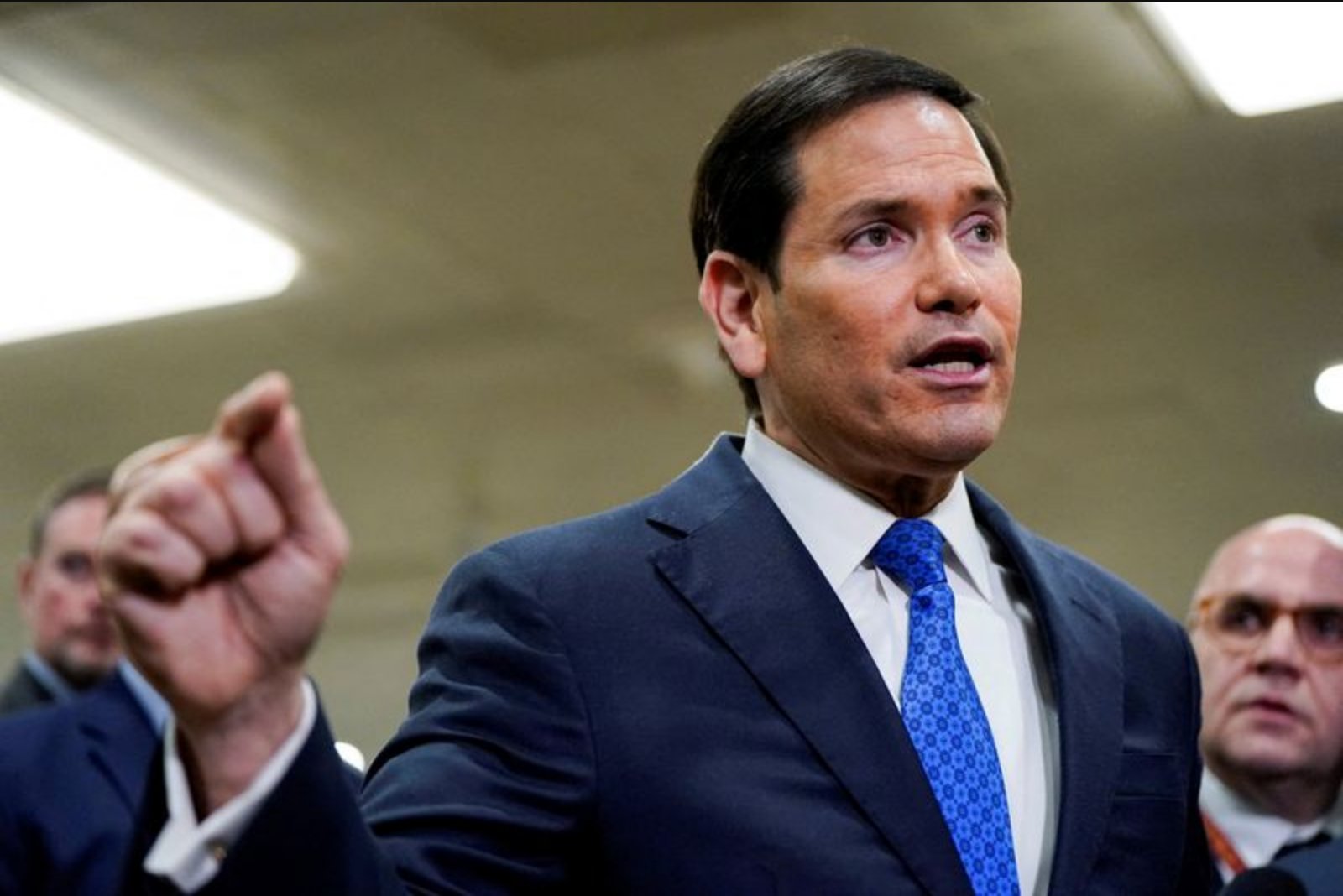
A State Department cable dated March 16 and signed by U.S. Secretary of State Marco Rubio directs American diplomats around the world to advocate that allied governments formally designate Iran’s Islamic Revolutionary Guard Corps and Lebanon-based Hezbollah as terrorist organizations.
The instruction, distributed to all U.S. diplomatic and consular posts, asks diplomats to present the request to their foreign counterparts "at the highest appropriate level" and to do so no later than March 20. The cable further specifies that advocacy on these designations should be coordinated with Israeli counterparts.
According to the talking points included in the cable, the directive rests on what it describes as an "elevated risk of attack" from Iran and its aligned groups. The cable does not supply additional detail on the nature of that heightened threat but cites examples of Tehran attacking neighbors in the Middle East and urges joint international action in response.
One of the explicit talking points provided to diplomats states: "With the elevated risk of attack from Iran and its partners and proxies, all governments must move expeditiously to diminish the capabilities of Iran and Iran-aligned terrorist groups from attacking our respective nations and citizens."
The cable notes that both the IRGC and Hezbollah are already designated as terrorist groups by the United States and by some other countries. It describes the IRGC as an elite military force tasked with protecting Shi'ite clerical rule in Iran and notes the corps' substantial control over large parts of the Iranian economy.
While urging allied governments to take action, the cable argues that collective measures are more likely to affect Tehran’s behavior than unilateral steps. "We assess that the Iranian regime is more sensitive to collective action than unilateral action, and that joint pressure is more likely to compel behavior change by the regime than unilateral actions alone," the document says.
The memo adds that designating the IRGC and Hezbollah as terrorist organizations more broadly would further constrain Iran's ability "to sponsor terror activities" internationally and increase pressure on the Islamic Republic.
The appeal for allied cooperation arrives amid a broader U.S. push to marshal support for its military campaign. The Trump administration has been attempting to rally partners that it describes as reluctant - in part because many were not briefed before the U.S.-Israeli air campaign began two weeks earlier, the cable says.
That diplomatic effort has encountered resistance. The cable was issued as several U.S. allies publicly said they had no immediate plans to deploy naval vessels to help the United States reopen the Strait of Hormuz, rejecting a request to help keep the critical oil shipping waterway open.
A State Department spokesperson provided the following statement included in the talking points: "President Trump is focused on securing peace in the Middle East. The IRGC, Hezbollah, and other Iranian backed proxies destabilize governments and undermine regional peace."
The cable's combination of advocacy directives, a short deadline for engagement, and a call for coordination with Israeli counterparts underscores the administration's push for a concerted diplomatic response, even as concrete details behind the asserted "elevated risk" remain unspecified in the document itself.
Contextual note: The cable requests worldwide diplomatic engagement by March 20 and frames the designations as a means to increase international pressure on Tehran.