
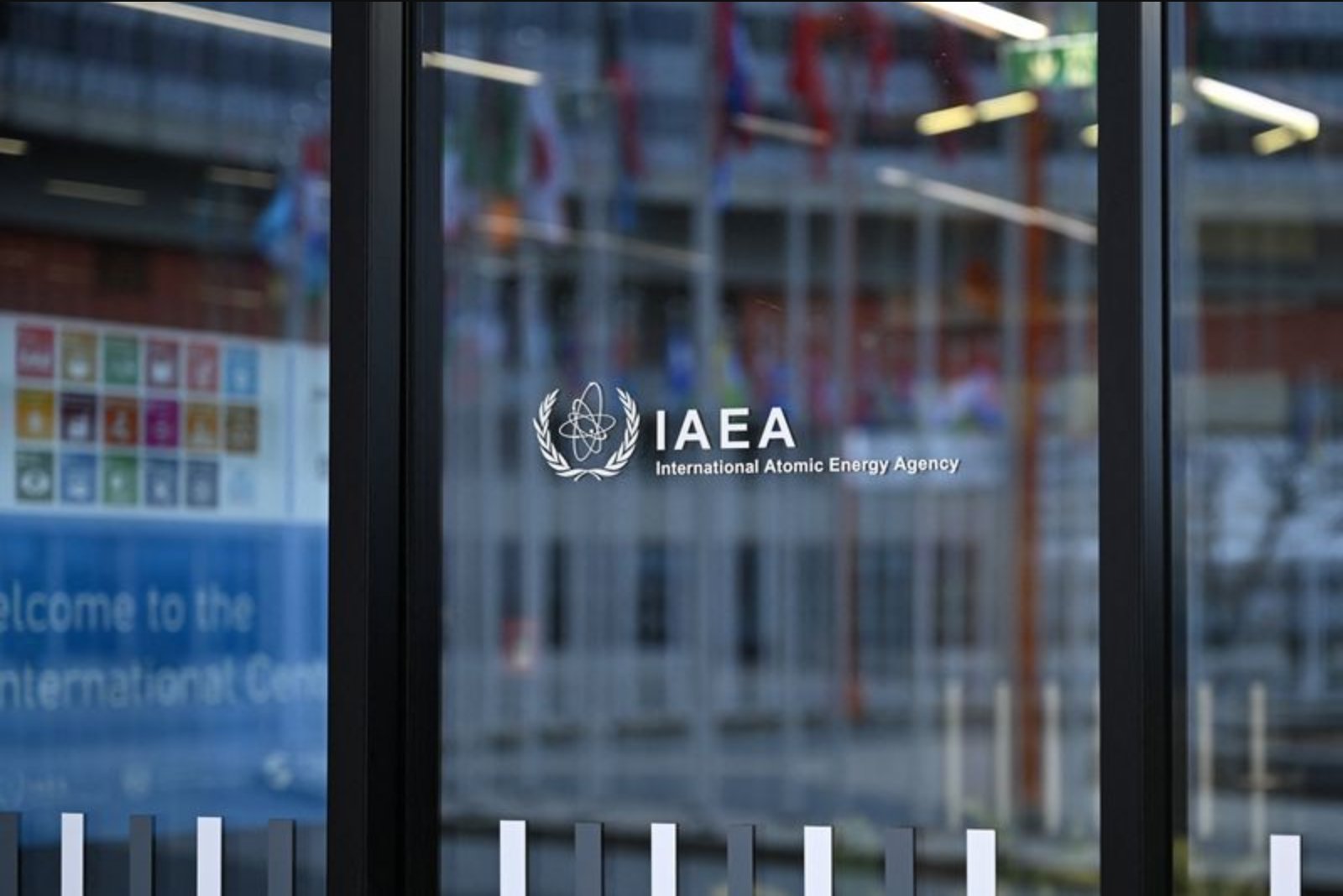
VIENNA, March 5 - The United States joined Russia, China and Niger on Thursday in opposing a resolution approved by the International Atomic Energy Agency (IAEA) Board of Governors which denounced attacks on Ukraine’s energy infrastructure as posing a threat to nuclear safety, diplomats said.
The 35-nation board adopted the measure as its seventh resolution on matters relating to Ukraine since Russia’s invasion of its neighbour four years ago. Diplomats at the closed-door session said this was the first time the United States had opposed such a text.
In remarks delivered to the board ahead of the vote, the United States said it continued to support the IAEA’s work inside Ukraine but opposed what it described as an unnecessary board resolution that would not help bring about peace between Ukraine and Russia. The U.S. statement read in full:
"While we continue supporting the IAEA’s work in-country, we do not support the Board’s current consideration of an unnecessary resolution that does not help achieve peace between Ukraine and Russia,"
Diplomats reported that the resolution was carried with 20 votes in favour. Countries recorded as supporting the text included France, Britain, Australia, Canada, South Africa and Argentina. Ten member states abstained, with Brazil, Egypt, Morocco and Saudi Arabia among them. Four countries voted against the text: the United States, Russia, China and Niger.
Officials noted the resolution’s language was less forceful than in previous board texts. The document itself stated that the board "reemphasizes that attacks targeting Ukraine’s energy infrastructure for the off-site power supply of nuclear power plants, including at the ZNPP (Zaporizhzhia Nuclear Power Plant), represent a direct threat to nuclear safety and security".
The board action came after the United States abstained in a United Nations General Assembly vote on the anniversary of the invasion in February. That General Assembly resolution affirmed support for Ukraine, backed its international borders and expressed concern about intensifying Russian attacks on civilians and critical energy infrastructure. The General Assembly measure passed with 107 votes in favour, 12 against and 51 abstentions.
At the time of the General Assembly vote, the United States explained its abstention by saying the resolution included language it believed was likely to distract from ongoing negotiations aimed at ending the conflict. The same concern was cited in the U.S. statement to the IAEA board ahead of Thursday’s vote.
Context and implications
The vote highlights a rare break between Washington and many traditional Western allies at the IAEA board on how to address attacks on infrastructure tied to nuclear plant operations. The narrower wording of this latest resolution and the U.S. opposition mark a shift in the dynamics of multilateral responses within nuclear-safety forums, while formal support for the IAEA’s in-country work was reiterated by the United States.