
Overview
At the Milano Cortina Winter Olympics, a conversation about national representation and free expression erupted into a wider culture clash after freestyle skier Hunter Hess said he found it "a little hard" to wear U.S. colours because he felt uneasy about events in the United States. The remarks prompted a stern social media response from former U.S. President Donald Trump and drew public defense from teammates and other athletes competing at the Games in Italy.
Athletes respond
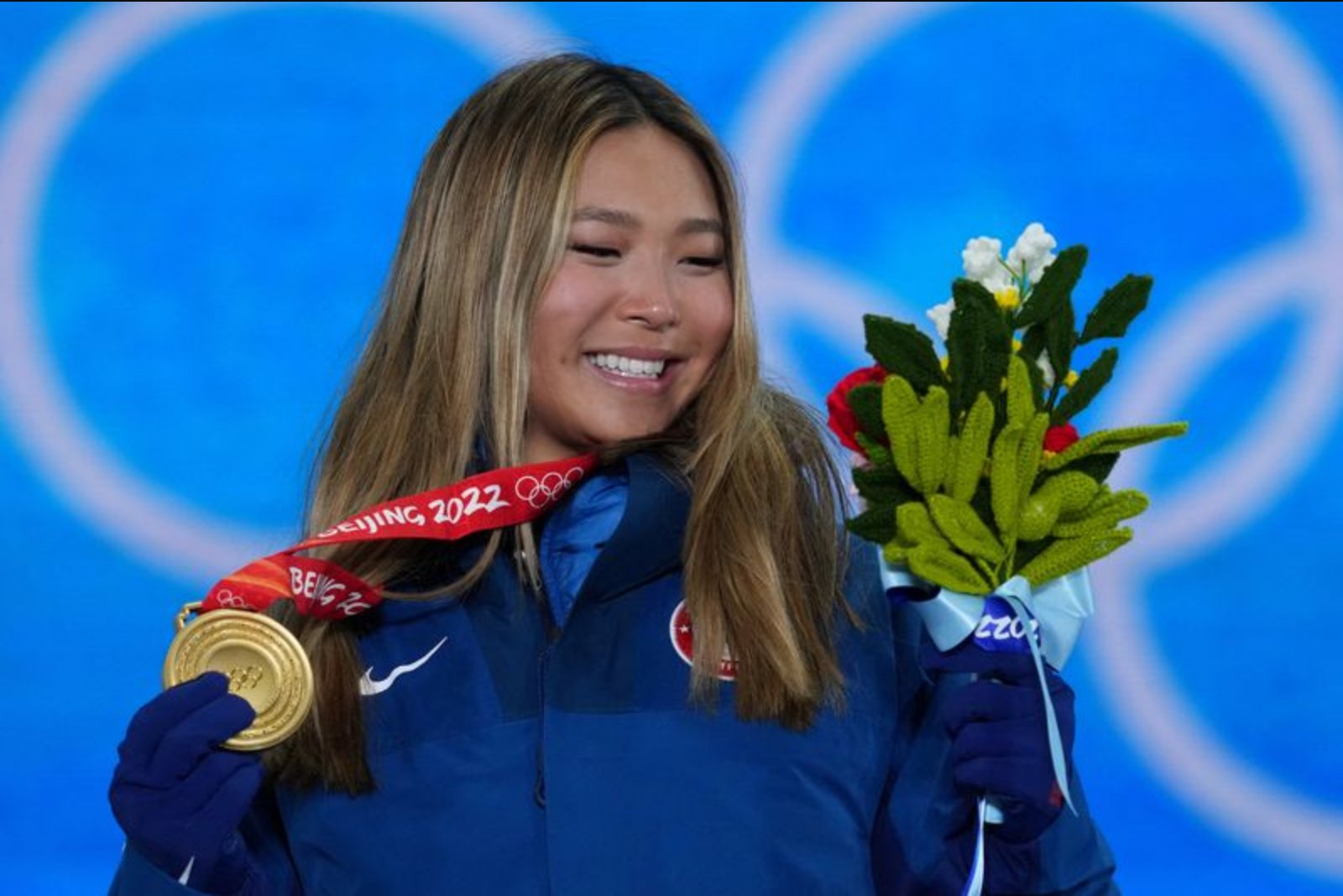
Chloe Kim, the two-time Olympic gold medallist in the halfpipe, said American competitors have the right to speak their minds while also expressing pride in representing the United States. Speaking at a press conference held by the women's U.S. snowboarding team in Livigno, Kim said, "I’m really proud to represent the United States. The U.S. has given my family and I so much opportunity. But I also think that we are allowed to voice our opinions on what’s going on. And I think we need to lead with love and compassion and I would like to see some more of that."
Kim's remarks were echoed by teammate Maddie Mastro, who said athletes should not ignore troubling developments at home. "I’m also saddened with what’s happening at home," Mastro said. "It’s really tough and I feel like we can’t turn a blind eye to that. But at the same time, I represent a country that has the same values as mine of kindness and compassion, and we come together in times of injustice."
Escalation and social media backlash
Hunter Hess's expression of conflicted feelings about representing the United States generated a robust reaction online and drew a direct response from Trump on Truth Social. Trump wrote: "U.S. Olympic Skier, Hunter Hess, a real Loser, says he doesn’t represent his Country in the current Winter Olympics. If that’s the case, he shouldn’t have tried out for the Team, and it’s too bad he’s on it. Very hard to root for someone like this. MAKE AMERICA GREAT AGAIN!,"
Meanwhile, Olympic medallist Gus Kenworthy - who is competing for his birth nation Britain at the Games - described hostile messages he received after posting an image to his followers that included an anti-ICE slogan apparently etched with urine in the snow. Kenworthy told his 1.2 million followers on Instagram that while he had received many messages of support, "a lot had been awful." He said people had sent him messages telling him to kill himself, threatening him, wishing to see him injured during his events, and calling him slurs. Kenworthy added: "I just want to remind everyone that you can love the U.S. and be proud to be an American. I am ... and still think it can be better. And I do not support ICE and I think it is absolutely evil and awful and terrifying."
Support from other athletes and responses
Freestyle skier Eileen Gu, who competes for China but was born in the United States, expressed sympathy for Hess. Gu said she had "so much sympathy and empathy" for him and characterized the situation as feeling like "an unwinnable press war," urging attention remain on his athletic performance rather than the controversy.
The U.S. Olympic & Paralympic Committee provided a statement addressing the fallout and the safety concerns that have followed. The USOPC said it monitors public platforms, removes content when possible and escalates credible threats to law enforcement as appropriate. In the statement, the organisation stressed: "No athlete should have to face this alone."
Steering clear of commenting on any one athlete or incident, the USOPC added: "Mental health and security resources are available to Team USA athletes 24/7 and we encourage athletes to reach out whenever they need support. The USOPC stands firmly behind Team USA athletes and remains committed to their well-being and safety, both on and off the field of play."
Wider political context at the Games
The debate over athlete expression has developed alongside other political tensions at the Milano Cortina Olympics. The presence of personnel from Immigration and Customs Enforcement - an agency that has faced protests across the United States after agents shot and killed two people in Minneapolis last month - has been a flashpoint. Political figures visiting the Games have also encountered public disapproval; U.S. Vice President JD Vance, who attended the Games' opening ceremony in Milan, was booed when he was briefly shown on the San Siro stadium's large screens.
Implications for athletes and organisers
The sequence of events has underscored the challenges that arise when global sporting events intersect with contentious domestic politics and social media amplification. Athletes who choose to voice personal views can face both support and hostile pushback, and organizers are being forced to balance freedom of expression with safety and mental health protections for participants.
Promotional content included in original reporting
Embedded in the original reporting was a promotional passage highlighting investment research tools for 2026 and a reference to a product named WarrenAI, framed as a service that combines institutional data with AI-powered insights to help investors identify opportunities. The promotional material argued that better data can lead to better investment decisions and described a product that purports to assist in finding the best investments for 2026.
Closing
At the Milano Cortina Games, a debate about national pride and dissent has become a prominent undercurrent, raising questions about how athletes, organisers and public figures should respond when politics and sport collide. The USOPC has emphasised support mechanisms for athletes while competitors continue to voice a range of perspectives about representing their nation amid turmoil at home.
Source material note
This account is based strictly on statements and events reported from the Milano Cortina Olympic venues and public social media posts, reflecting the comments and responses made by athletes, the USOPC and public figures.