
U.S. intelligence agencies have judged that Iran’s leadership remains cohesive and is not in immediate danger of collapse, according to three people familiar with the assessments. The picture, they said, is based on a broad set of reports and a recent intelligence product completed within the last few days that offers a consistent conclusion: the regime is not in danger and still retains control of the Iranian public.
Those familiar with the intelligence, who spoke on the condition of anonymity, stressed that the operational environment is fluid and that internal dynamics in Iran could change over time. The Office of the Director of National Intelligence and the Central Intelligence Agency declined to comment. The White House did not immediately respond to a request for comment.
Since the start of the U.S. and Israeli campaign nearly two weeks ago, forces have struck an array of targets inside Iran, including air defense sites, locations tied to the country’s nuclear program, and senior leadership figures. The strikes have also killed dozens of senior officials and some of the highest-ranking commanders within the Islamic Revolutionary Guard Corps, an elite force that controls significant economic activity in Iran.
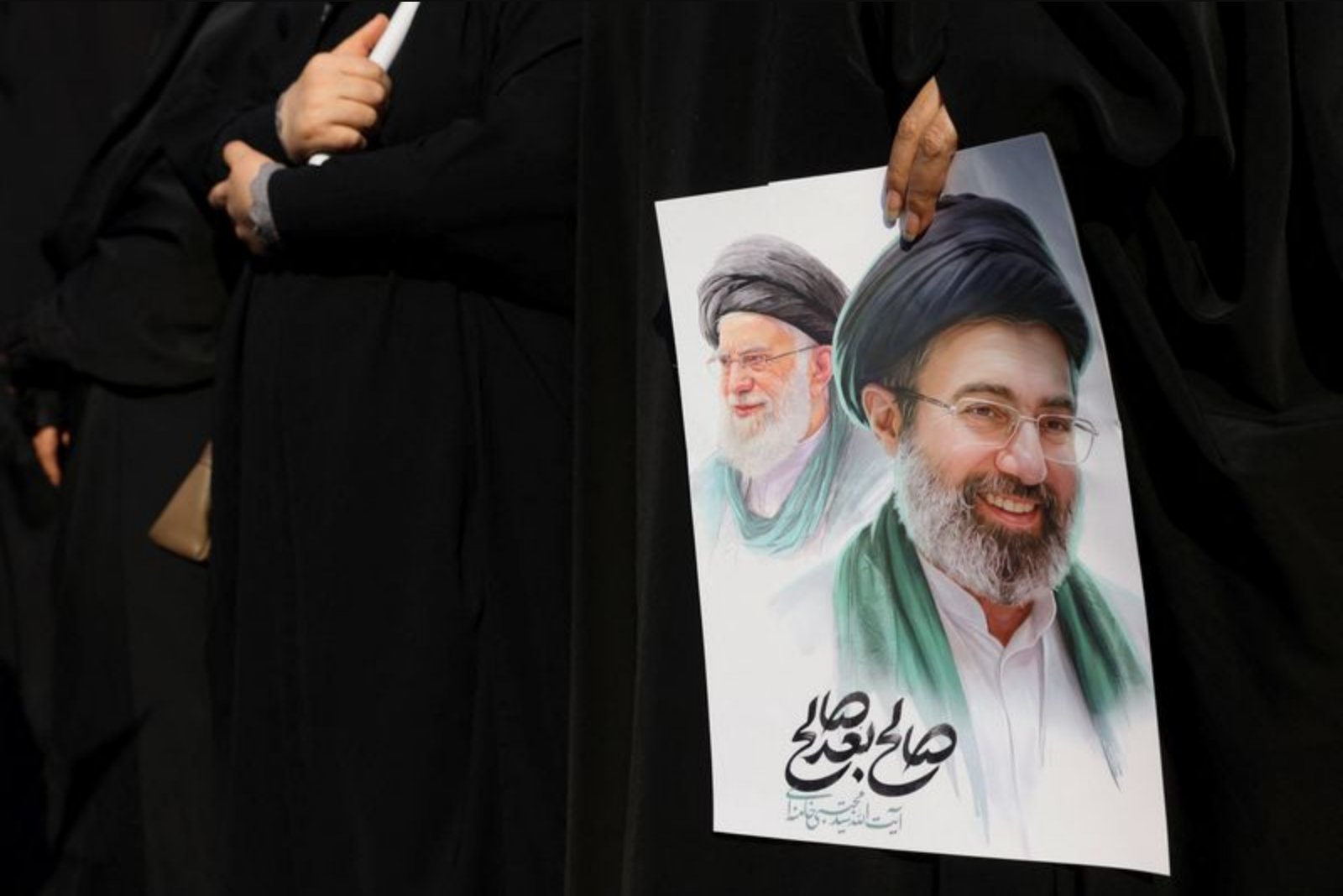
Despite those losses, the intelligence assessments indicate the IRGC and the interim authorities who assumed power after the killing of Supreme Leader Ayatollah Ali Khamenei on February 28 continue to exercise control over the country. Earlier this week, the Assembly of Experts, a council of senior Shiite clerics, declared Khamenei’s son, Mojtaba, the new supreme leader.
With political pressure building at home over rising oil prices, President Donald Trump has indicated he intends to end the largest U.S. military operation since 2003 soon. But U.S. officials and their Israeli counterparts face a difficult choice if the goal were to remove Iran’s hardline rulers - something that, according to current intelligence, has not occurred and is not guaranteed to follow from the strikes.
Israeli officials in closed-door discussions have also acknowledged uncertainty about whether the campaign will produce a collapse of the clerical government, a senior Israeli official told a news agency. One U.S. source said Israel has no intention of allowing any remnants of the former government to remain intact, while another source described the prospects for toppling the regime as unclear.
According to one source familiar with the matter, a military campaign that actually toppled the government would likely require a ground offensive that could open space for Iranians to safely protest in the streets. The Trump administration has not ruled out dispatching U.S. troops into Iran, the source said.
Part of U.S. planning and regional consultation has involved Iranian Kurdish groups based in neighboring Iraq. Reuters reported last week that Kurdish militias consulted with Washington about the feasibility and risks of attacking Iran’s security forces in western provinces, an action that could strain Iranian security services and potentially encourage domestic unrest.
Abdullah Mohtadi, leader of the Komala Party of Iranian Kurdistan and a member of a six-party Kurdish coalition, said in an interview that Kurdish parties are highly organized inside Iran and that "tens of thousands of young people are ready to take up arms" if they receive U.S. support. He also said he had received reports that IRGC units and other security forces had abandoned bases and barracks in Kurdish areas out of concern over U.S. and Israeli strikes, and that he had observed tangible signs of weakness in those regions.
But recent U.S. intelligence reporting, according to two people familiar with those assessments, casts doubt on the Kurds' ability to sustain a prolonged military fight against Iran's security forces. Those reports conclude the Kurdish groups lack sufficient firepower and numbers to withstand Iran's security services, they said.
The Kurdish groups in recent days have appealed to senior U.S. officials and members of Congress for weapons and armored vehicles, another person familiar with the matter said. President Trump has said he has ruled out sending Kurdish forces into Iran.
The intelligence findings underscore that, at least for the moment, the clerical leadership in Tehran remains cohesive despite the deaths of senior figures and the targeting of military and nuclear sites. The assessments do not foreclose changes on the ground, and officials continue to assess multiple scenarios as the campaign proceeds.
For now, U.S. intelligence analysts are conveying a consistent message across a range of reports: the Iranian regime is not currently at risk of collapse and retains control of the public, even as military operations and political pressures persist.
The Kurdish Regional Government, which administers the autonomous region of Iraqi Kurdistan where those Iranian Kurdish groups are based, did not immediately respond to requests for comment.