
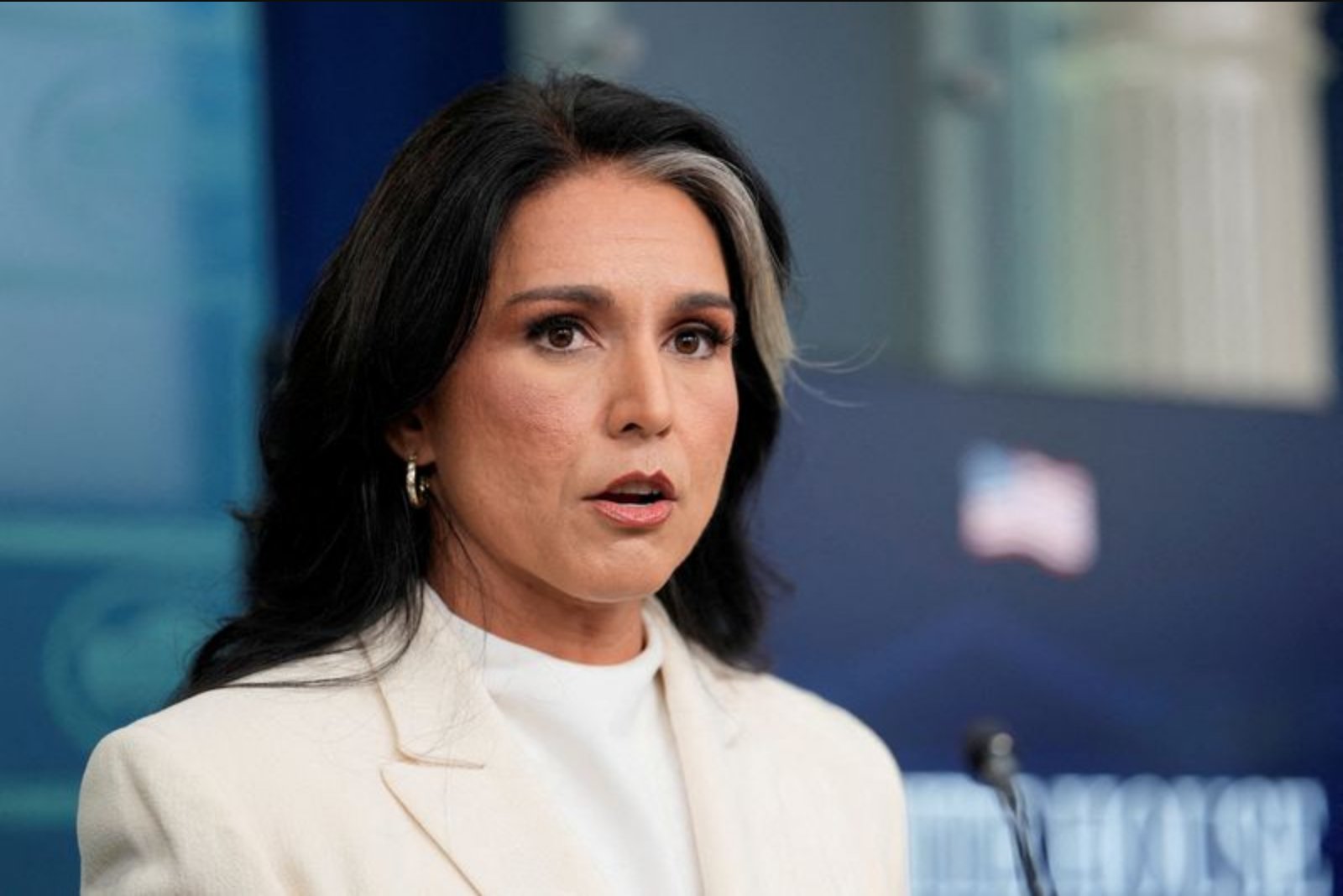
The office that oversees U.S. intelligence has dismantled the Director’s Initiatives Group (DIG), reallocating the staff who were temporarily placed in the unit to other teams across the Office of the Director of National Intelligence (ODNI), agency officials said. The director described the DIG as a time-limited surge of personnel to accomplish short-term priorities tied to presidential directives.
In a formal statement, the director said the DIG was created to concentrate expertise and expedite work on "high-priority projects with near-term deadlines, including Presidential Executive Orders." The statement added that ODNI would continue the DIG’s mission by embedding those specialists into standing teams throughout the agency to sustain delivery on its objectives.
Congressional scrutiny and reporting obligations
The DIG's structure and operations have been a focal point for lawmakers, who criticized what they described as a secretive configuration. Legislation passed in December required the intelligence office to provide a classified report containing details about DIG leadership, staffing levels and hiring practices. While the agency did not meet the statutory deadline for that submission, an ODNI spokesperson said the information would nevertheless be furnished to Congress.
Agency officials defended the decision to end the temporary unit as consistent with its original purpose, while others outside the agency have pointed to alleged missteps as factors in the wind-down. The office denied that mistakes prompted the change.
Political controversy and election-related activity
The announcement comes amid heightened political tension over the director’s recent activities related to election security. Democratic lawmakers have criticized the director’s presence at a January 28 FBI search that seized boxes and material from a Georgia county election archive, and questioned whether the scope of the director’s actions exceeded the normal remit of the intelligence office.
Recent reporting also indicated that the director’s office supervised an investigation last year into voting machines in Puerto Rico and took possession of an unspecified number of machines. The White House has defended the director’s role in assessing election security, while congressional Democratic leaders have warned that the administration’s actions could amount to interference in electoral processes.
Achievements cited and partisan criticism
Supporters of the DIG point to outcomes the office highlighted, such as declassifying records connected to the assassination of former President John F. Kennedy and executing numerous presidential executive orders shortly after the start of the administration.
At the same time, detractors argued the DIG’s stated mission to eliminate politicization from the intelligence community was pursued in a partisan manner. ODNI touted as an achievement the declassification of material that the director said showed that a previous administration had directed intelligence officials to construct an assessment claiming Russia aimed to influence the 2016 election in favor of one candidate. Those assertions, however, were described in agency materials as being contradicted by a 2025 CIA review, a 2018 bipartisan Senate Intelligence Committee report and the work of Special Counsel Robert Mueller, who brought indictments against 25 Russians. The former president implicated in the allegation denied any wrongdoing.
Allegations of operational missteps
Two sources familiar with internal deliberations told investigators that unspecified missteps played a role in the decision to dissolve the DIG. Among the incidents cited, those sources alleged that the DIG incorrectly linked a federal security employee to the planting of pipe bombs outside the headquarters of the Democratic and Republican parties in Washington, D.C., on the eve of the January 6, 2021, attack on the U.S. Capitol.
ODNI officials rejected the assertion that the agency erred, responding that it had a legal obligation to forward an allegation from a whistleblower and that agency legal counsel had been involved in handling the matter.
Another source said the DIG disclosed the name of a Central Intelligence Agency officer who was serving undercover overseas when the office revoked the security clearances of 37 current and former officials, most of whom were affiliated with the Democratic Party. ODNI disputed that claim, saying that while the agency publicized revocations, it did not name any agency affiliation and therefore did not reveal the officer's identity.
What happens next
With the DIG dissolved and its personnel redistributed, ODNI says it will continue to address the same high-priority tasks by placing those experts into permanent teams across the agency. Lawmakers, particularly Democrats, continue to press for information on the DIG's leadership and practices and remain concerned about the director’s involvement in election-related matters. The agency has committed to providing the classified details Congress requested, despite missing the legislated deadline.
As investigations and oversight continue, the episode underscores the tension between rapid organizational responses to presidential directives and the need for transparency and statutory compliance when intelligence functions touch on politically sensitive areas such as elections.
Note: Where the public record is limited, this report reflects the information made available by agency statements, congressional mandates and accounts from sources familiar with the matter.