
World February 26, 2026

U.S. commerce official and India trade minister meet in New Delhi amid tariff uncertainty

Lunch meeting underscores intent to pursue trade talks even after U.S. tariff moves and a Supreme Court ruling reshaped tariff authority

By Hana Yamamoto
U.S. commerce official and India trade minister meet in New Delhi amid tariff uncertainty

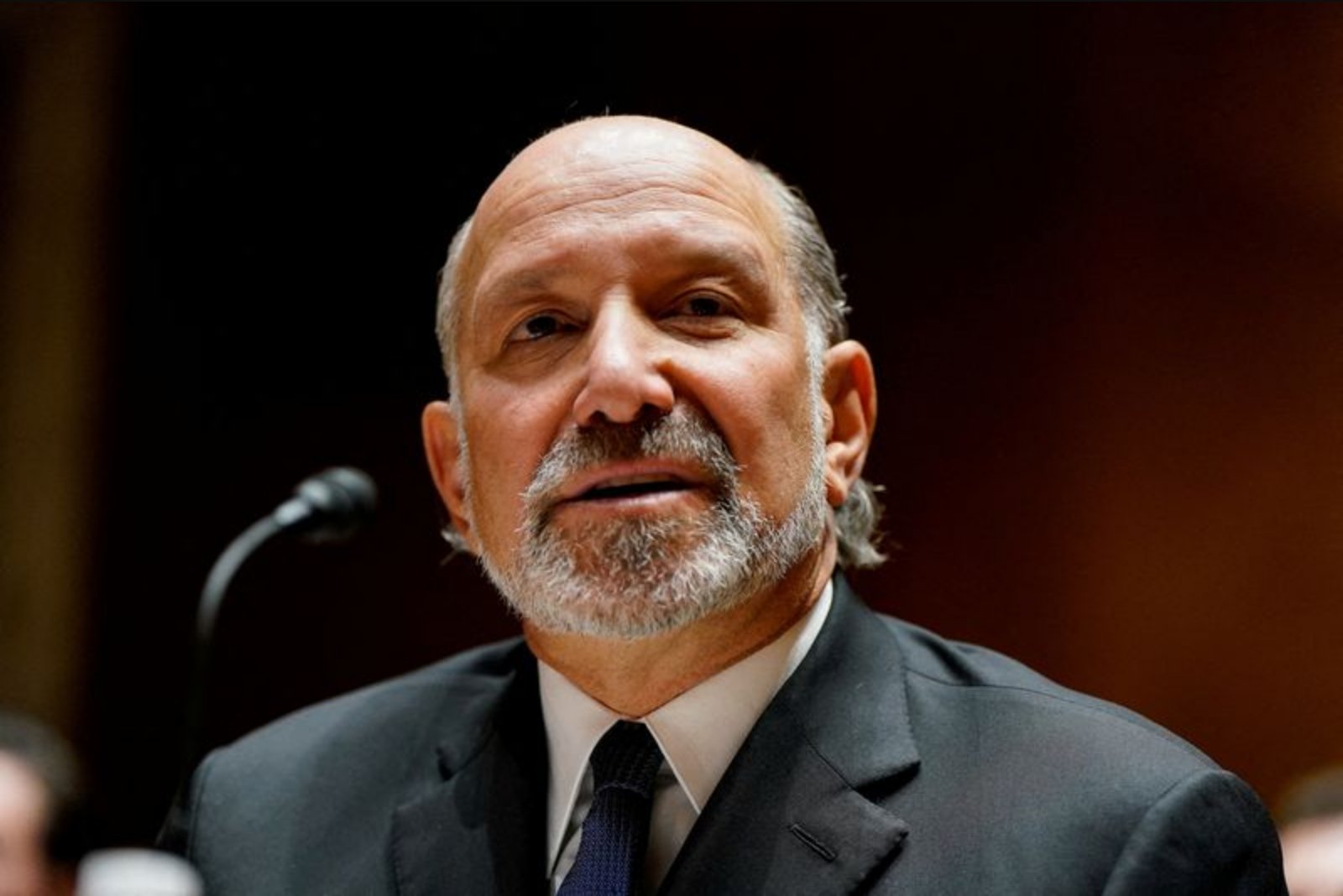
India's Trade Minister Piyush Goyal met with U.S. Commerce Secretary Howard Lutnick for a lunch meeting in New Delhi, officials and posts on X said, as both countries navigate trade discussions following a U.S. Supreme Court order that affected presidential tariff authority. The interaction included a public post by the U.S. envoy to India and took place while Washington has announced temporary duties that could change the course of bilateral trade talks.

Key Points

  • India's Trade Minister Piyush Goyal and U.S. Commerce Secretary Howard Lutnick met for lunch in New Delhi to discuss trade and economic partnership.
  • The meeting took place after a U.S. Supreme Court order affected presidential tariff authority and amid U.S. announcements of a temporary 10% duty with a possible rise to 15%.
  • Before the court ruling, a framework had been agreed for Washington to lower tariffs on India to 18% from 50%, a rate that had included a 25% punitive tariff tied to New Delhi's Russian oil purchases.

India's trade minister, Piyush Goyal, held a lunch meeting with U.S. Commerce Secretary Howard Lutnick in New Delhi on Thursday, Goyal said in a post on X. The meeting, described by the Indian minister as a discussion of trade and economic partnership, came days after a U.S. Supreme Court order that altered the legal footing of sweeping global tariffs previously enacted by the U.S. president.

In a separate X post, U.S. envoy to India Sergio Gor called the encounter "A highly productive lunch ... so many areas of cooperation for our two nations!" and shared a photograph showing himself with Lutnick and Goyal. An official from India’s trade ministry said Lutnick was in the country on a personal visit.

Earlier this week Goyal had indicated that two-way trade talks would resume only after there was more clarity, signaling that New Delhi still intends to pursue a deal with Washington even as questions remain about the U.S. president’s tariff authority.


The legal and policy backdrop to the meeting remains in flux. Since the Supreme Court order, the U.S. president has announced a temporary 10% duty on imports from all nations, including India, and has said he would raise that rate to 15% - the maximum allowed under the statute he has invoked. Before the court decision, both governments had agreed on a framework under which Washington would cut tariffs on Indian goods to 18% from 50%. The earlier 50% rate had incorporated a 25% punitive tariff that applied in part due to New Delhi’s purchases of Russian oil.

Officials and public posts have not provided further details on the specific agenda items discussed at the lunch. The exchanges nonetheless indicate that, despite changes in the U.S. legal and policy environment on tariffs, senior officials from both sides are engaging directly to explore cooperation and the possibility of resuming formal trade negotiations once conditions are clearer.

Observers reviewing the meeting pointed to the continued interplay between legal rulings, executive tariff actions, and bilateral negotiation frameworks as key variables shaping the immediate outlook for trade between the two countries.

Risks

  • Legal and policy uncertainty following the Supreme Court order - this affects the predictability of tariff policy and could impact trade flows and negotiation timelines. (Impacted sectors: trade, import-reliant manufacturing, energy.)
  • Temporary U.S. duties announced by the president - a 10% duty, with a promise to raise to 15%, introduces tariff volatility that could disrupt bilateral trade decisions and pricing pass-through for affected goods. (Impacted sectors: imports, supply chains, consumer goods.)
  • Unclear status of the previously agreed tariff framework - prior agreement to cut tariffs to 18% from 50% may be unsettled by recent legal and executive actions, leaving outcomes of negotiations uncertain. (Impacted sectors: exports, industrial goods, energy.)

More from World

UNICEF raises alarm after reports of deadly air strikes on civilians in Myanmar Feb 26, 2026 Starmer Confronts Crucial Test as Tight By-Election Sees Three-Party Contest in Manchester Feb 26, 2026 Spain’s mass regularisation plan strains already overstretched immigration system Feb 26, 2026 Moscow Questions How U.S. 'Board of Peace' Will Fit Alongside U.N. Security Council Feb 26, 2026 Chinese Military Drone Routinely Masks Transponder Signals in South China Sea Flights Feb 26, 2026