
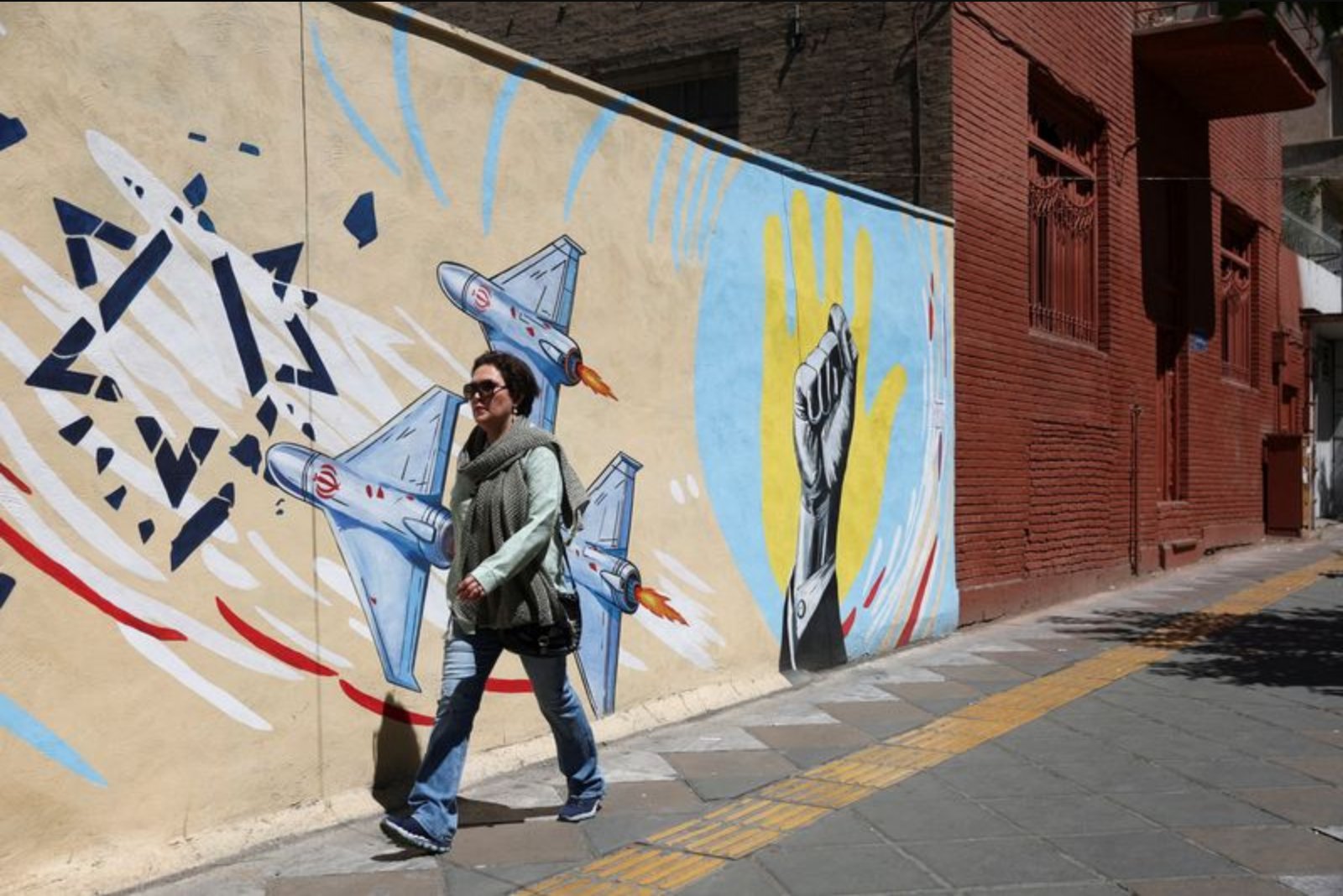
Iran’s Islamic Revolutionary Guard Corps (IRGC) announced on Thursday that it had targeted a U.S. airbase in response to what it described as an early morning U.S. strike near Bandar Abbas, the port city on the Strait of Hormuz. A U.S. official, speaking on condition of anonymity to discuss military actions candidly, told Reuters that U.S. forces had intercepted four Iranian attack drones and struck a ground control station in Bandar Abbas that was preparing to launch a fifth drone.
The U.S. official characterized the operations as defensive and measured, saying the strikes were intended to preserve the ceasefire that came into effect in early April. The IRGC said its response was aimed at the U.S. airbase from which the attack on the control station near Bandar Abbas had been launched, according to Tasnim news agency.
Regional military and security responses were reported across nearby countries. Kuwait, host to a sizeable U.S. base, said it was responding to missile and drone attacks but did not specify the origin of those strikes. In northern Israel, where fighting with Iran-backed Hezbollah militants has been ongoing in the south, authorities reported sirens related to hostile aircraft activity.
Markets reacted quickly to the exchange. After a decline of more than 5% on Wednesday, oil prices rebounded on reports of the escalation, with U.S. crude futures rising by over 3%. Equities fell and the dollar strengthened amid the heightened risk environment.
President Donald Trump, speaking at a cabinet meeting where media were present on Wednesday, dismissed an Iranian state television report that claimed Iran had received an unofficial draft framework for an agreement. That draft reportedly would have restored commercial shipping through the Strait of Hormuz to prewar levels within a month, assigning joint management of traffic to Iran and Oman. Trump rejected the report and emphasized that no single nation would control the strait, saying it is international waters.
At the meeting, President Trump issued a stark warning directed at Oman, saying that it would be expected to 'behave just like everybody else' or face forceful consequences. He also stated that the United States had not yet reached satisfaction on any deal with Iran and that discussions were not addressing an easing of sanctions.
Neither the White House nor Oman’s embassy in Washington immediately responded to requests for comment. Iran’s permanent mission to the United Nations was also not immediately available for comment on the unfolding events or the reported draft deal.
The Iranian state television account of the draft framework included several notable elements: in addition to joint management of strait traffic with Oman, it said the United States would lift its blockade of Iranian ports and withdraw military forces from Iran’s vicinity. The report, however, did not address Iran’s nuclear program, which the United States has said must be dismantled. According to the account, discussions on the nuclear issue were to be deferred to a second round of talks, a sequencing that Iranian sources indicated would occur later.
Ebrahim Azizi, who heads the Iranian parliament’s national security committee, responded to President Trump’s remarks on X, saying that U.S. rhetoric would not force Iran to abandon its stated demands. Azizi reiterated Iran’s positions on uranium enrichment, authority over strait management, and the lifting of sanctions. He described Trump as alternating between threats and appeals for an agreement as he searched for an exit from the strategic impasse.
The Strait of Hormuz had handled roughly a fifth of global oil and liquefied natural gas traffic before the conflict began in late February. Disagreements over the strait’s management, the status of Iran’s nuclear capacity, and ongoing sanctions are among the primary sticking points in efforts to negotiate an end to the three-month-long conflict.
Under international law, foreign vessels retain the right of passage through the waterway. Yet the U.S. Treasury Department recently added the Persian Gulf Strait Authority - the Iranian entity set up to manage transit through the strait - to a list of sanctioned individuals and organizations cited as threats to U.S. national security. Iranian state television said the draft agreement included U.S. military withdrawal from the immediate vicinity, though it stated that the presence of U.S. troops in the broader region would remain a subject for further negotiation.
The White House described the Iranian television account as a 'complete fabrication,' and Tehran did not provide further comment on the report. The state TV report did not mention Iran’s nuclear program, leaving some elements of the supposed framework unclear and raising questions about sequencing and priorities in any negotiated settlement.
The broader conflict, which began on February 28 with U.S. and Israeli strikes and has continued with fighting that has killed thousands, has already pushed global energy prices sharply higher. President Trump has repeatedly suggested that a deal with Iran is near, but his public dismissal of the reported draft and the resumption of strikes underscore how fragile any truce remains.
At the cabinet meeting, a U.S. official cited in the report - identified as Secretary of State Marco Rubio in the public account of that session - stated: 'The bottom line is Iran’s never going to have a nuclear weapon.' That remark reflects a stated U.S. policy posture on Iran’s nuclear ambitions as presented in the meeting, though the state of negotiations and sequencing of nuclear discussions relative to other issues remain contested between the parties.
The immediate operational impact of Thursday’s exchanges included the downing of four attack drones and the reported destruction of a ground control node poised to launch a fifth, alongside Iran’s reported retaliatory strike on a U.S. airbase. How these actions will affect the tenuous ceasefire or the pace and content of any future negotiation rounds is unclear, but markets and regional security watchers treated the incident as a significant escalation in an already volatile theatre.