
VIENNA, March 9 - Representatives from the United States and China traded pointed remarks at the United Nations' annual Commission on Narcotic Drugs meeting in Vienna, with each side delivering separate statements that reflected deep disagreements over the flow of chemical precursors tied to fentanyl and the use of trade tools.
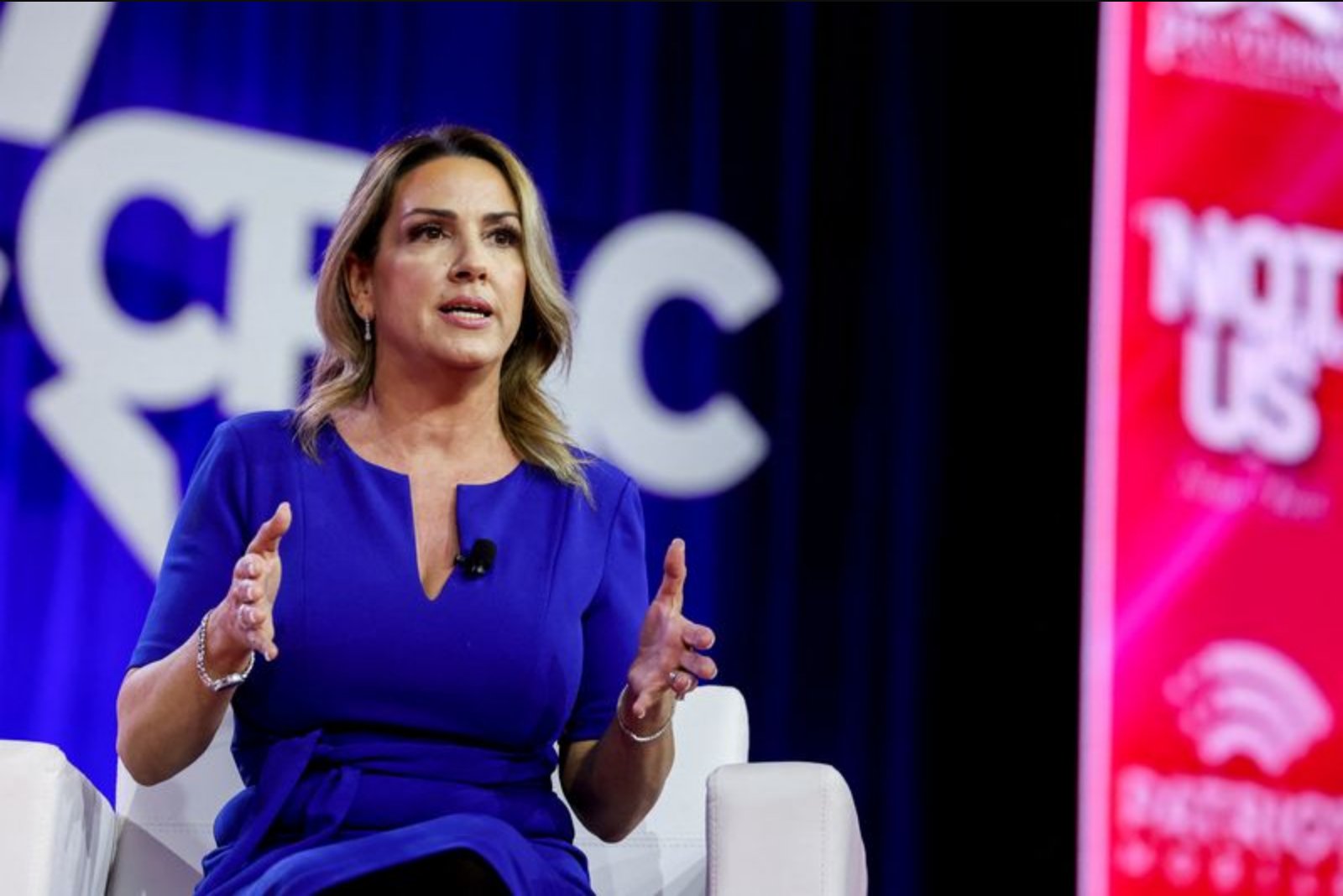
Speaking for the United States, Sara Carter, director of the White House Office of National Drug Control Policy, said Washington has identified the origin of many of the chemical precursors used in fentanyl production. "We know where the chemical precursors (for fentanyl) are coming from. They are manufactured by the millions of tons in China," she said in the U.S. statement.
"We know that China’s weak export controls and lax enforcement allow its chemical industry to foster friendships with the (drug) cartels. At the same time, China’s overly effective controls over rare earth minerals wreak havoc on legitimate industries."
The U.S. remarks linked the drug-control argument to trade arrangements reached last year. Under an agreement struck in South Korea between President Donald Trump and Chinese leader Xi Jinping, the United States agreed to reduce tariffs on China in return for Beijing taking steps to crack down on the illicit fentanyl trade, resuming purchases of U.S. soybeans and keeping rare earths exports flowing.
The U.S. statement also referenced recent legal and policy developments related to tariffs. It noted that the U.S. Supreme Court last month invalidated a 10% fentanyl-related tariff that President Trump had imposed on China and others under an emergency statute. A U.S. official, the statement said, has informed Beijing that the administration expects to reimpose that levy under a different law.
China's delegation responded through envoy Gao Wei, who accused "a certain country" - in context understood to be the United States - of exploiting the drug issue as a pretext for unilateral actions. "A certain country using the drug problem as a pretext has resorted to unilateral bullying and even interfered in the internal affairs of other countries, which ... gravely harms global cooperation in drug control," Gao said.
"It is regrettable that just now the U.S. delegate again made remarks that do not reflect reality," he added. Gao urged nations to tackle domestic drug problems by strengthening control measures and engaging in international cooperation, saying countries should not resort to "abusing sanctions, tariffs, or other means to erect barriers (and) shift blame."
The exchange at the Vienna meeting highlighted an overlap between concerns about illicit drug supply chains and broader trade disputes. It also comes as the two countries prepare for a leaders' meeting scheduled to take place in China at the end of the month, underscoring how drug control and tariff arrangements remain linked in diplomatic negotiations.