
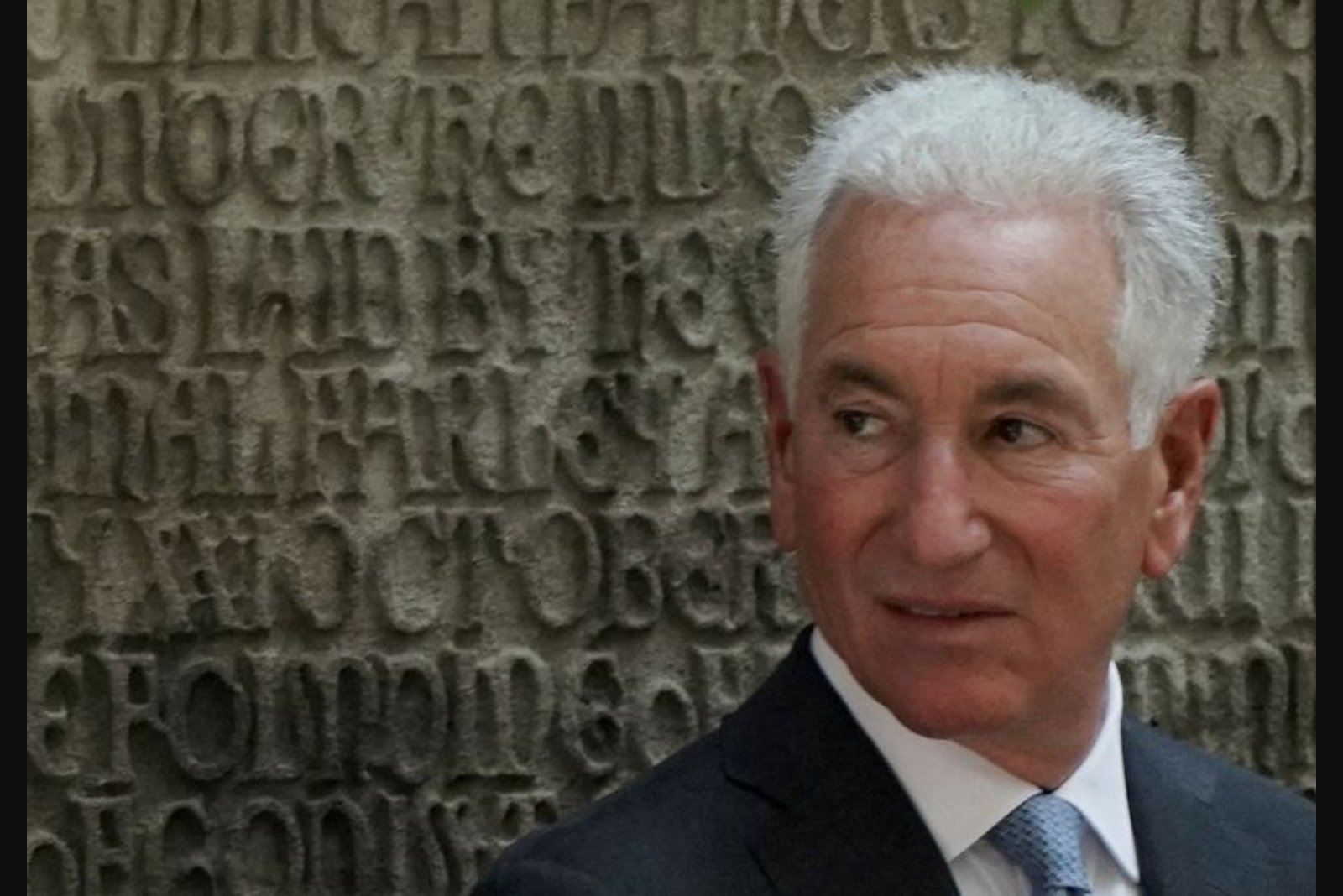
Charles Kushner’s tenure as the United States ambassador to France has become a source of growing diplomatic strain in Paris. A property magnate without prior diplomatic experience, Kushner - who was pardoned by President Trump in 2020 after serving a federal sentence for illegal campaign contributions and tax evasion - has departed from traditional expectations of how a U.S. envoy should operate in a nation considered a cornerstone of modern diplomacy.
Arriving in Paris last summer, Kushner quickly drew attention by writing an open letter to French President Emmanuel Macron in which he accused France of failing to do enough to confront antisemitism. French authorities rebuked the move: Macron described the letter as an "unacceptable statement for somebody who is supposed to be a diplomat." The French foreign ministry summoned the ambassador in response - a summons Kushner did not attend.
The embassy's postings on social media have further inflamed tensions. After the U.S. Embassy in Paris re-posted comments from the U.S. State Department’s Counterterrorism bureau following the killing of a French far-right activist, Kushner was again summoned by the foreign ministry on Monday and did not appear. A French diplomatic source said Kushner would be barred from meeting government officials after that second no-show.
According to a source close to France’s Foreign Minister Jean-Noël Barrot, Kushner subsequently called Barrot and "expressed his desire not to interfere in our public debate." The source said the two agreed to meet in the coming days. The U.S. Embassy in Paris and the State Department have not provided comment on the incident in response to requests.
Legal and diplomatic credentials have done little to mollify critics in Paris. Kushner's selection for a post once held by founding American statesmen has been met with surprise and scepticism. French public law professor Julien Jeanneney, who specialises in the U.S. Supreme Court, described the exchange as a "power struggle" between Kushner and the foreign ministry that began with the issues raised by the ambassador’s open letter on antisemitism.
"The function of a diplomat is not to lecture the country where he is posted, at least not publicly," Jeanneney said. "Publishing such a letter goes against basic diplomatic customs. And not responding to the summons from the foreign minister is ... a sign of defiance."
Kushner’s approach in Paris forms part of a broader pattern of U.S. envoys appointed under President Trump generating controversy across Europe. Examples cited by French and U.S. sources include Tom Rose, the U.S. ambassador to Poland, who reportedly broke ties with the speaker of parliament over a refusal to back Trump’s Nobel Peace Prize ambitions, and Bill White, the U.S. ambassador to Belgium, who was summoned by Belgium’s foreign ministry after allegations of antisemitism tied to a clampdown on unsanctioned circumcisions.
Within the bilateral relationship, sources say tensions between Paris and the Trump administration span a range of policy areas including trade, European territorial sovereignty, digital regulation and free speech. Yet those close to Kushner argue his motivation in France has been driven more by concerns over antisemitism than by an effort to promote a Make America Great Again political brand.
"I don’t see him with a MAGA cap," said Nicolas Conquer, who runs a MAGA-inspired French think tank and has contact with Kushner’s team. "He is not the standard-bearer of MAGA in France." Philippe Karsenty, spokesperson for the Comité Trump France and someone who has met Kushner several times, characterised the ambassador as determined to treat antisemitism as a corrosive problem that must be halted. "It is about ensuring that France in 2026 is not France in 1939," Karsenty said.
U.S. sources acknowledged that Kushner’s public letter was poorly received by French officials but said it spurred action in Paris. They also noted a recent statistical trend: antisemitic acts surged to record highs after the start of the Gaza war in 2023, but "fell 16% last year compared with 2024," according to the same officials. The wording in the assessment reflects the timeline provided by these sources.
Observers note Kushner’s close ties to President Trump as an asset in Washington-Paris relations, even as President Macron prefers to engage Trump directly by phone. Kushner’s personal profile contributes to diplomatic friction in other ways: he speaks no French and has shown little aptitude for learning the language, according to both French and U.S. officials.
To compensate, Kushner relies heavily on his chief of staff, Gabriel Scheinmann, who is described by officials as fluent in French and adept at navigating France’s political circles. Insiders describe Kushner’s work habits as marked by early rising and early bedtime: he reportedly begins sending emails as early as 4:30 a.m. and has a practice of avoiding what some describe as "useless receptions."
"He wakes up early, goes to bed early, does not host useless receptions," Karsenty said. "He meets very few unnecessary people. He is not at an age to learn a language, and he did not come for that. He came to act."
The combination of public interventions, missed diplomatic summonses and a limited personal engagement with French language and social customs has produced a tense atmosphere. French officials have signalled their displeasure through public statements and by restricting Kushner’s access to government counterparts, and Paris will likely be watching how forthcoming meetings with the foreign minister and other officials play out in the coming days.
For now, Kushner’s mission in Paris illustrates how appointments and conduct by high-level envoys can reshape daily diplomatic practice and public perception in a country where protocol and language remain central to official engagement.