
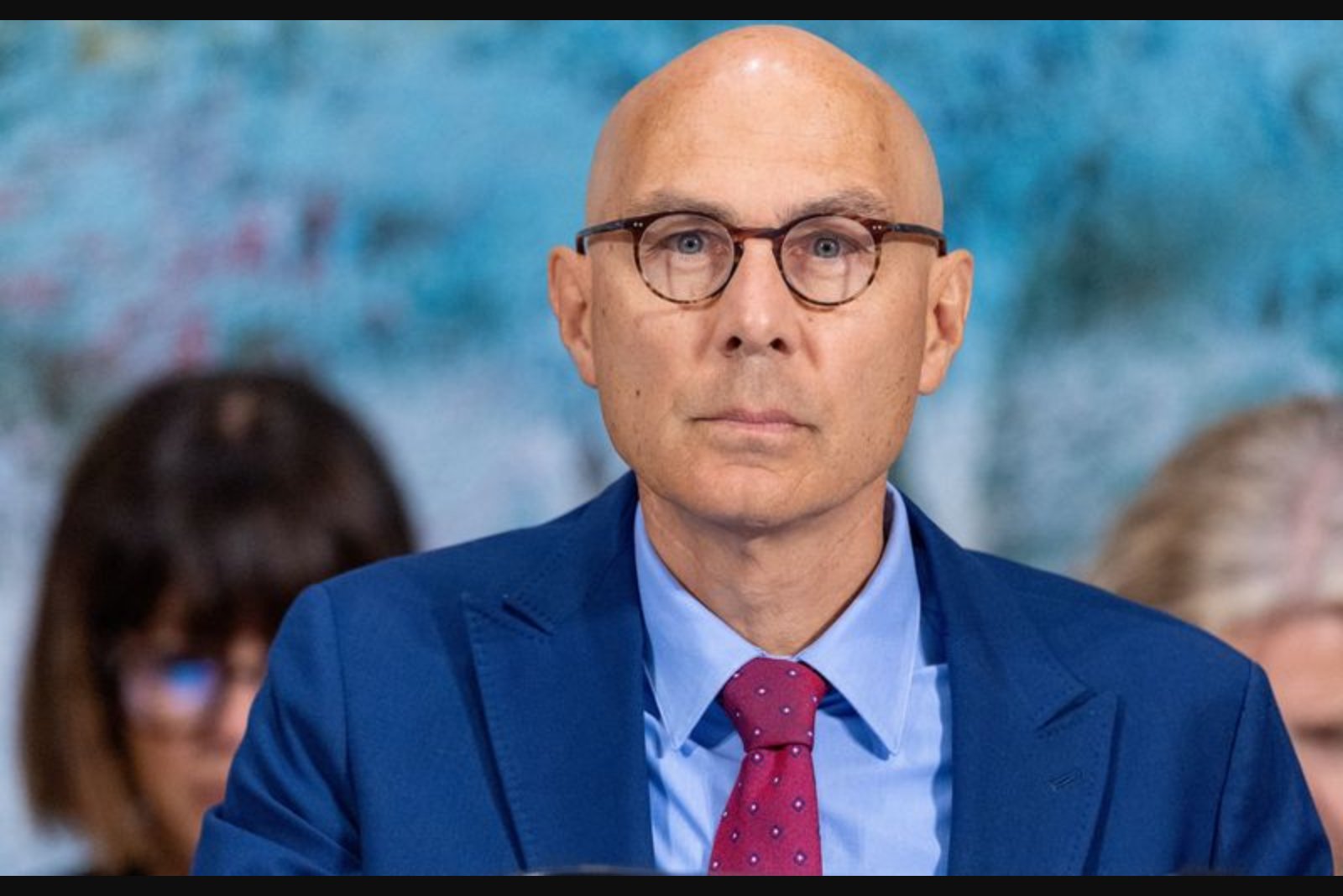
The United Nations' top human rights official cautioned Friday that South Sudan is at a "dangerous point" after a recent uptick in killings that officials and international observers say risk undermining the fragile peace forged in 2018.
Volker Turk, head of the U.N. human rights office, told the U.N. Human Rights Council that the country is experiencing a combination of rising violence and growing uncertainty over its political direction as the 2018 agreement comes under severe strain. His remarks followed reporting of multiple incidents in which civilians were killed across several states.
State information minister Nyamar Ngundeng said late Thursday that at least 16 people were killed by what he described as "unruly elements from the South Sudan People’s Defence Forces soldiers" in Jonglei state on February 21. The government, while denying that its soldiers intentionally targeted civilians, conceded they may have been caught in crossfire in the conflict-affected border region near Ethiopia.
Turk provided a higher toll for the same incident, saying witnesses recounted soldiers ordering villagers to assemble before opening fire, resulting in the deaths of 21 unarmed people, including children. He added that military discipline appears to have deteriorated in both government and opposition forces deployed in Jonglei and Eastern Equatoria, where troops have demonstrated what he described as a near-total disregard for civilian protection.
Those statements came as the U.N. human rights office documented 189 civilian deaths in January alone, and recorded a 45% increase in rights violations and abuses compared with the prior month. Turk said the spike in killings occurred amid ongoing clashes over territory and various rivalries that have persisted since the 2018 peace accord.
The 2018 deal had formally ended a five-year civil war that pitched forces loyal to President Salva Kiir against troops aligned with First Vice President Riek Machar. That conflict killed nearly 400,000 people in the country since its independence, and the peace arrangement has faced repeated tests since its signing.
Political tensions escalated last year after Machar was suspended from his post and charged, along with 20 others, with involvement in militia raids in the northeast. Those charged have denied the accusations. The combination of the criminal proceedings and rising violence has contributed to a deepening uncertainty over South Sudan's political trajectory, Turk said.
Turk also outlined a broader pattern of attacks, saying government and opposition forces as well as allied militias have struck residential areas across multiple states, including Upper Nile, Unity, Central Equatoria, Western Bahr el Ghazal, Western Equatoria, and Warrap.
In a joint statement posted on X late Thursday, the United States, the European Union, Britain and other Western nations said they were "appalled by credible reports of a deliberate massacre of civilians" in the Jonglei village of Pankor. The post reflected Western concern over the accounts of civilians being targeted in that area.
South Sudan's government spokesperson, Ateny Wek, responded directly to the post, reiterating that the military did not kill civilians. Wek said the South Sudan People’s Defence Forces had no intention to kill civilians and that any civilian deaths would have been the result of crossfire rather than deliberate targeting.
Contextual note - The remarks by the U.N. human rights chief and the documentation of civilian deaths underline a pattern of escalating violence and deteriorating protection for civilians across several South Sudanese states. The political developments involving senior leaders and the prosecution of alleged participants in militia raids add to the uncertainty surrounding the implementation and durability of the peace agreement.
Summary of reported facts:
- At least 16 deaths in Jonglei on February 21 were attributed by the state information minister to unruly elements of the national army.
- The U.N. human rights office documented 189 civilian deaths in January and recorded a 45% month-on-month increase in rights violations and abuses.
- Witness testimony reported to the U.N. indicated that soldiers ordered civilians to gather and then opened fire, with Turk citing a death toll of 21 for that incident, including children.
- Attacks on residential areas have been reported in multiple states, involving both government and opposition forces and allied militias.
- First Vice President Riek Machar was suspended last year and charged, together with 20 others, with involvement in militia raids; those charged deny the accusations.
The situation as described by U.N. officials and Western governments highlights a humanitarian and political emergency in which civilian protection has eroded and the prospects for stable implementation of the peace agreement are increasingly uncertain.